Soft WashingIn Greater Vancouver
A low-pressure detergent wash for roofs, stucco, painted siding and cedar — the surfaces a pressure lance would ruin, and the ones growth takes hold on fastest.
Our Service
Kill It, Don't Knock It Off
Soft washing runs at roughly garden-hose pressure and lets a dilute solution do what force otherwise would. Moss, algae and lichen are organisms rather than dirt: knock them off and the root stays and regrows by winter; kill them and the growth breaks down over the weeks after we leave. Nothing is driven under a shingle or past a window seal. It cleans slower, and stays clean two to three times longer.
What's Included
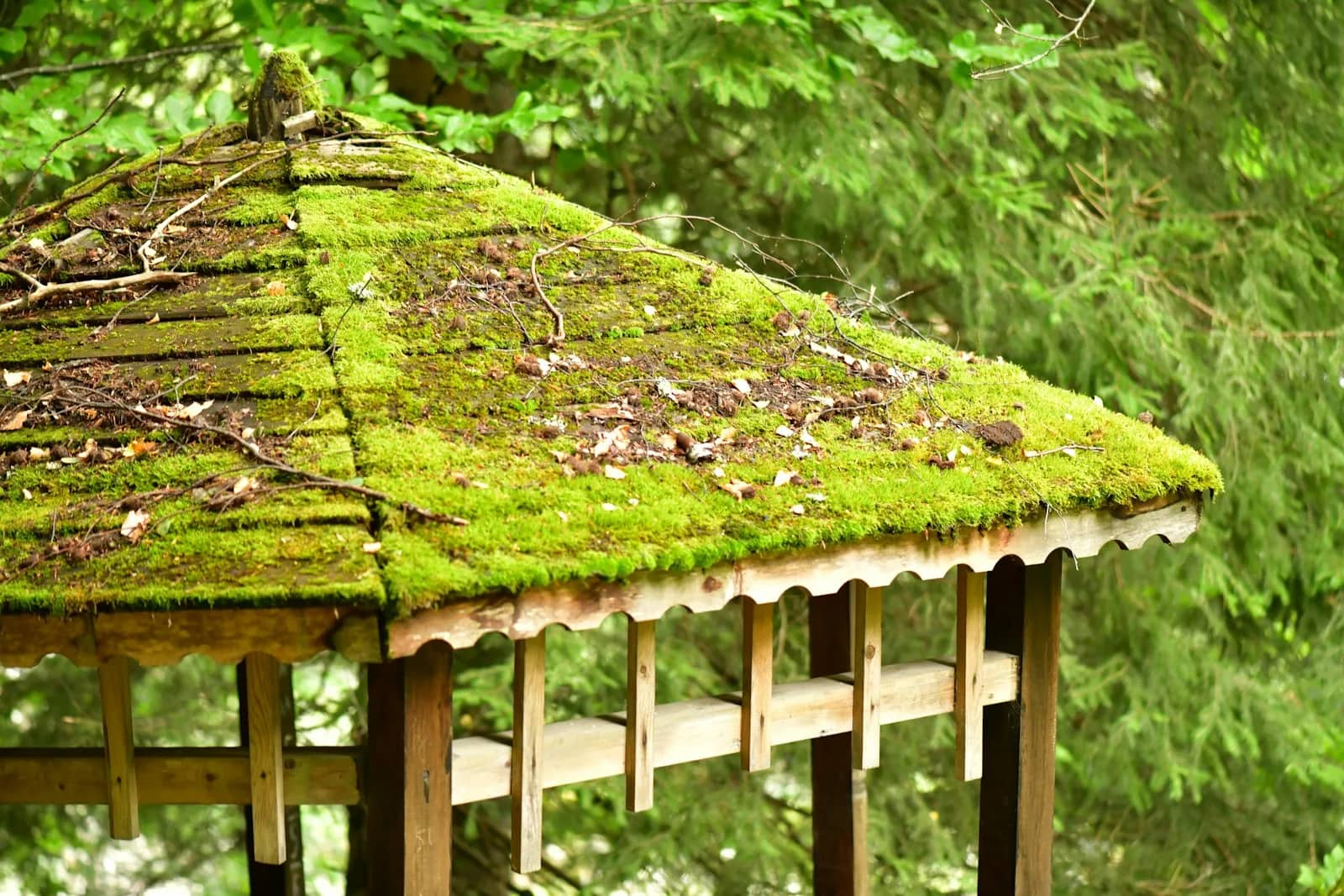
Asphalt shingle and tile roofs
The surface that most needs this method and least tolerates the other one. Solution is applied at low pressure across the slope, left to work, and rinsed gently or left for the rain. No granules come away with the growth, which is why a treated roof outlives a pressure-washed one.
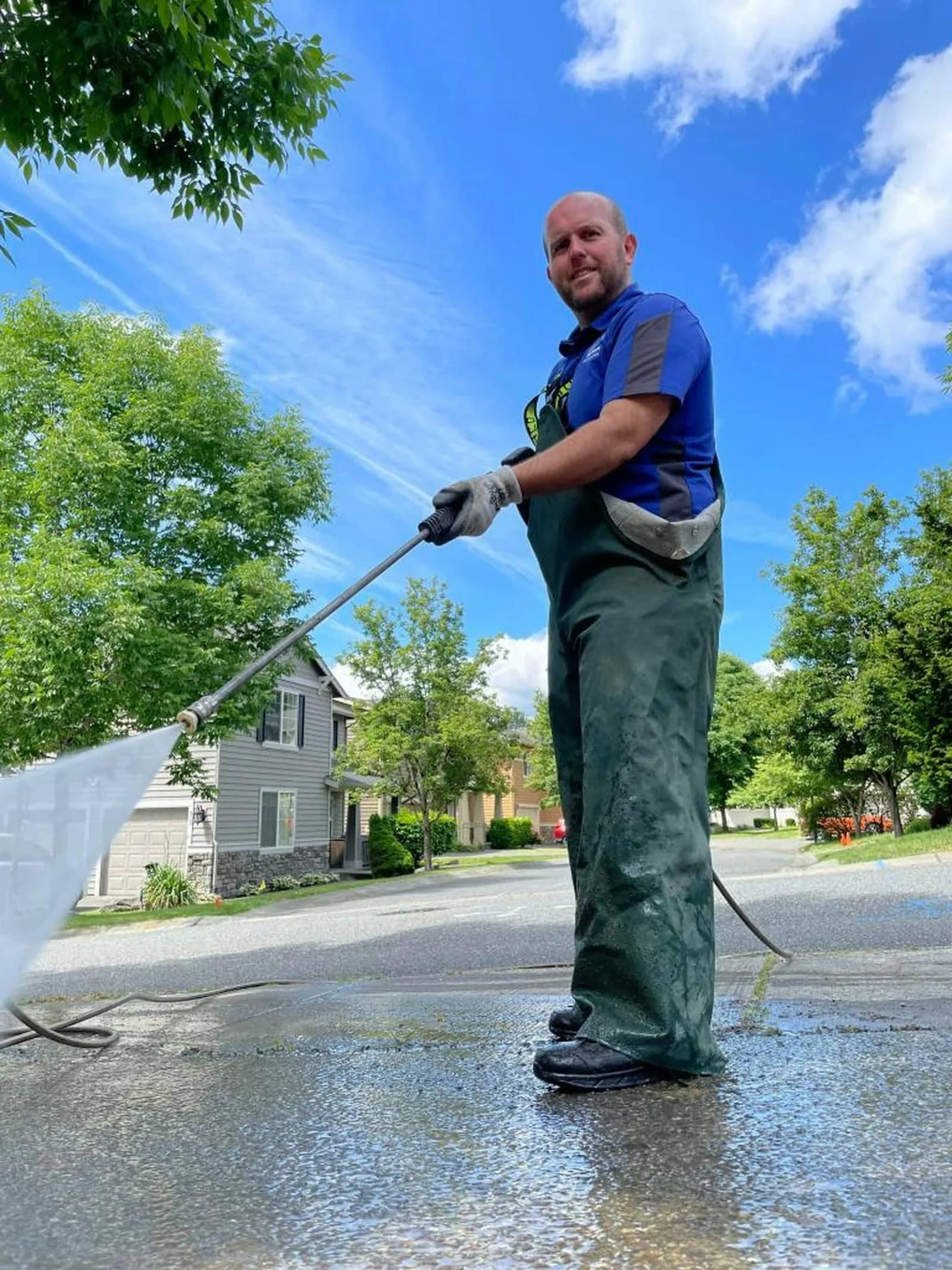
Stucco, render and painted siding
Porous, cracked and painted surfaces hold water in a way brick does not, and forcing it in behind them causes the blistering and interior damp that shows up a season later. Here the solution sits on the face, lifts the growth and rinses off. Painted finishes are tested first — a failing coating comes away with the algae.
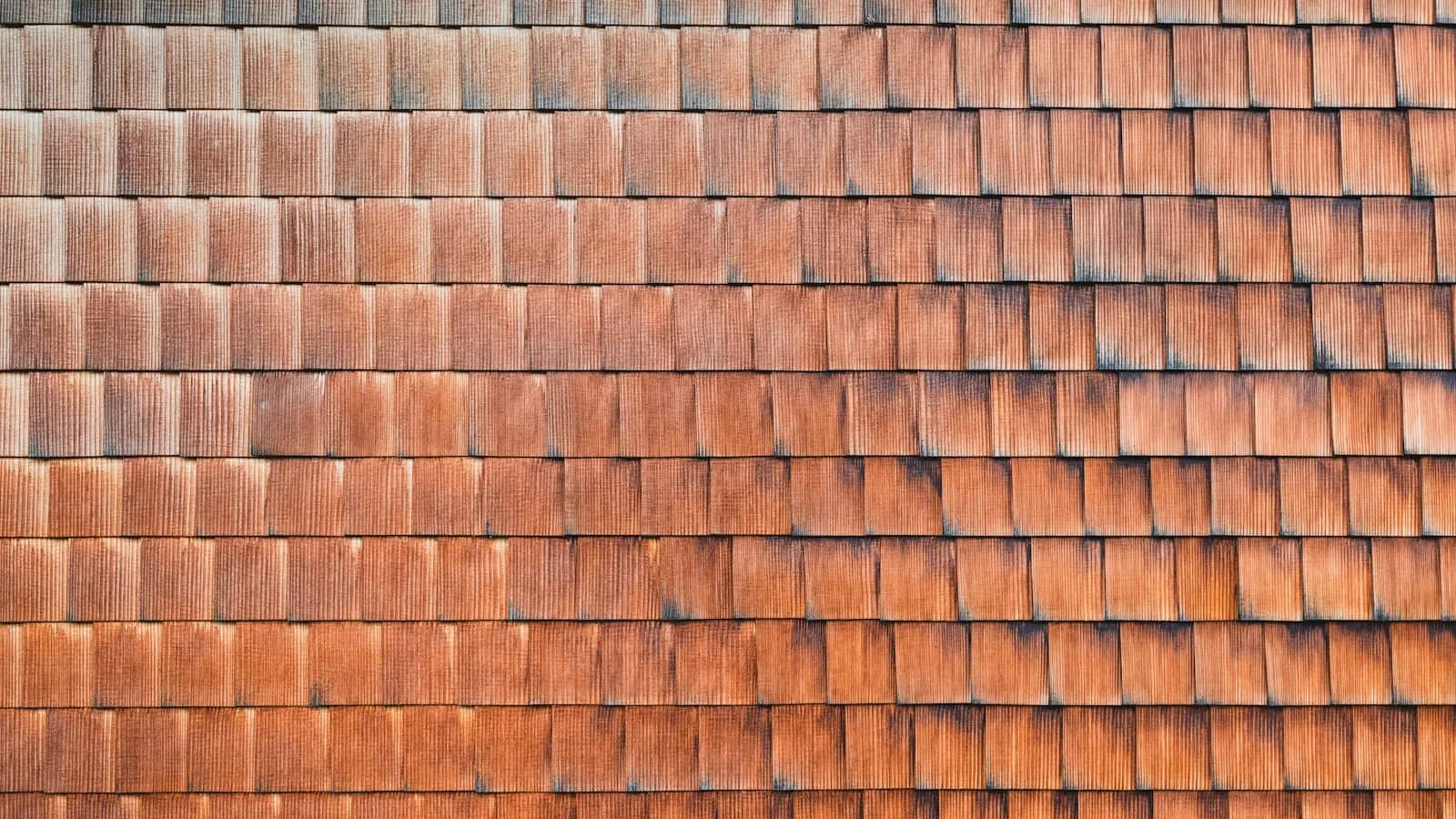
Cedar shingles, fascia and soffits
Cedar is soft enough to furrow under pressure and never recovers its grain once it has. A soft wash lifts the black weathering and green film without raising the fibres, so the timber can still be stained afterwards. Fascia, soffits and the underside of eaves go at the same time — that shaded band is where growth starts.
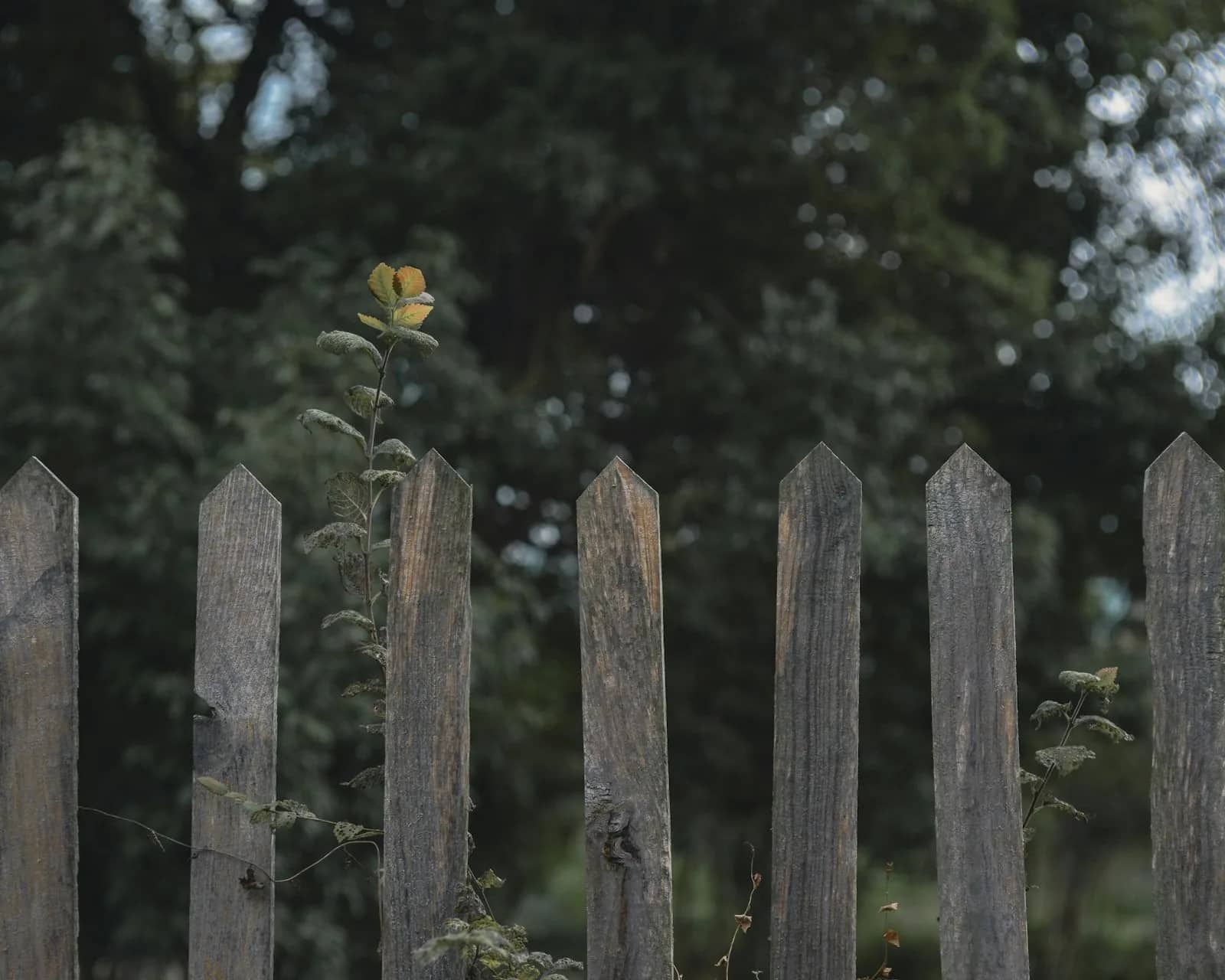
Fences, pergolas and garden structures
Fence panels, pergolas, arbours, sheds, planters and the north face of anything are all growing something by February here. They come up cleanly at low pressure and, being freestanding, are the surfaces most often wrecked by a rented pressure washer. Adjacent planting is protected first — usually the whole bed.
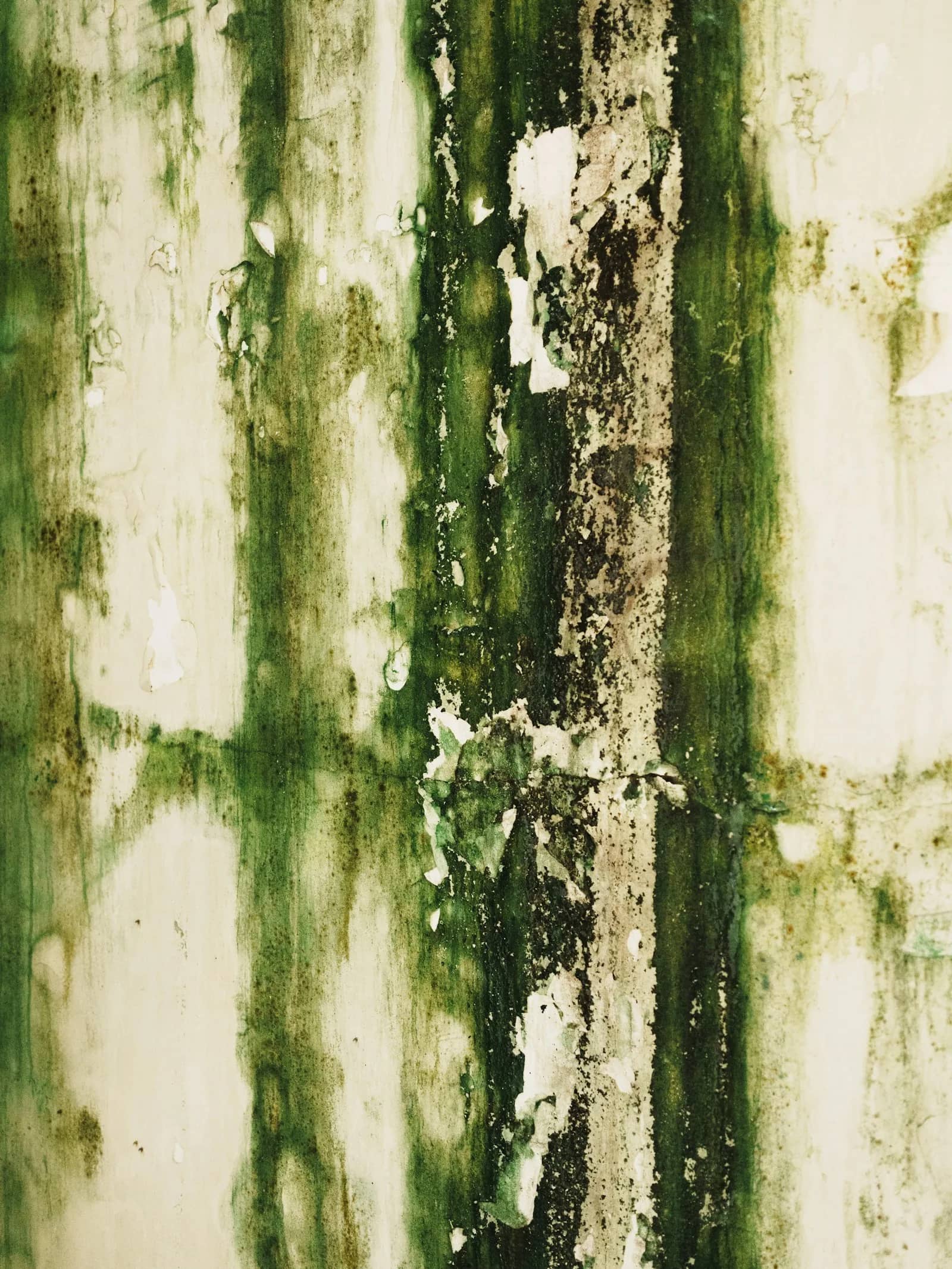
Algae, lichen and black-streak treatment
Black roof streaking is a cyanobacteria colony, not dirt, and lichen has a holdfast that grips into the surface. Neither responds to water alone at any pressure. The treatment kills both at the root so they release rather than tear — which is why lichen keeps fading for two or three weeks after we have gone.
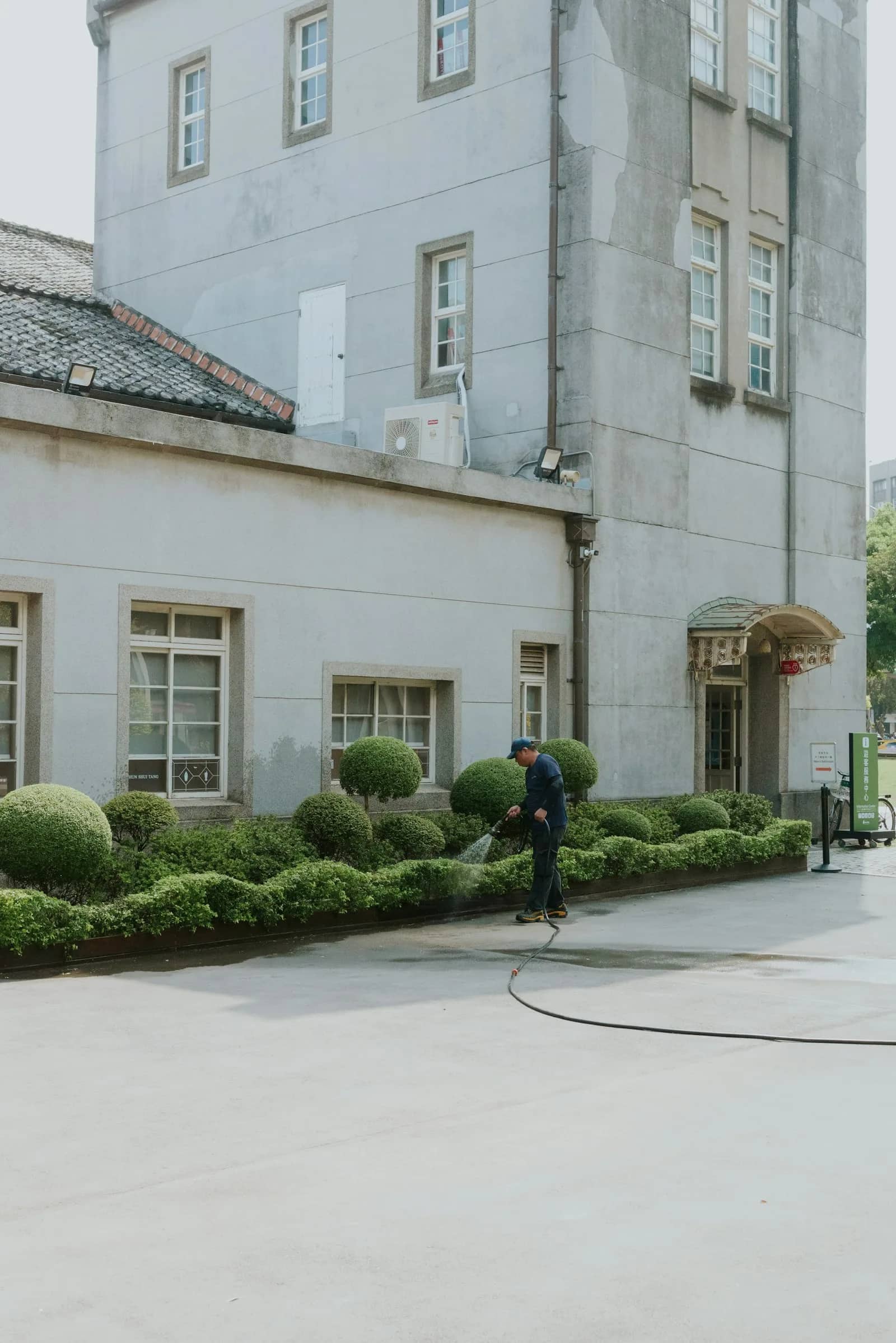
Planting protection and rinse-down
Standard on every job, not an extra. Beds, lawn and any planting under the work are saturated with clean water before a drop of solution is mixed, because a soaked root zone cannot take up much else. Delicate specimens are sheeted, and everything gets a full rinse at the end. Twenty minutes beats replacing a hedge.
Why Choose RainCity?
Soft washing is the method you pick when the surface matters more than the speed, and the same instinct runs through how the rest of the job is handled. Nothing goes onto a roof or a wall before we know what it is made of, planting is protected as routine rather than as a favour, and we tell you what a treatment will and will not shift before you agree to it. Everything below holds whether it is a single-storey bungalow or a forty-unit strata.
Get a Free QuoteInsured and fully licensed for exterior work
Working out of New Westminster, right across the Lower Mainland
Houses, strata buildings and commercial premises
No charge to quote, and no obligation after it
Not right when it dries? We come back and put it right
What to Expect
What This Work Looks Like
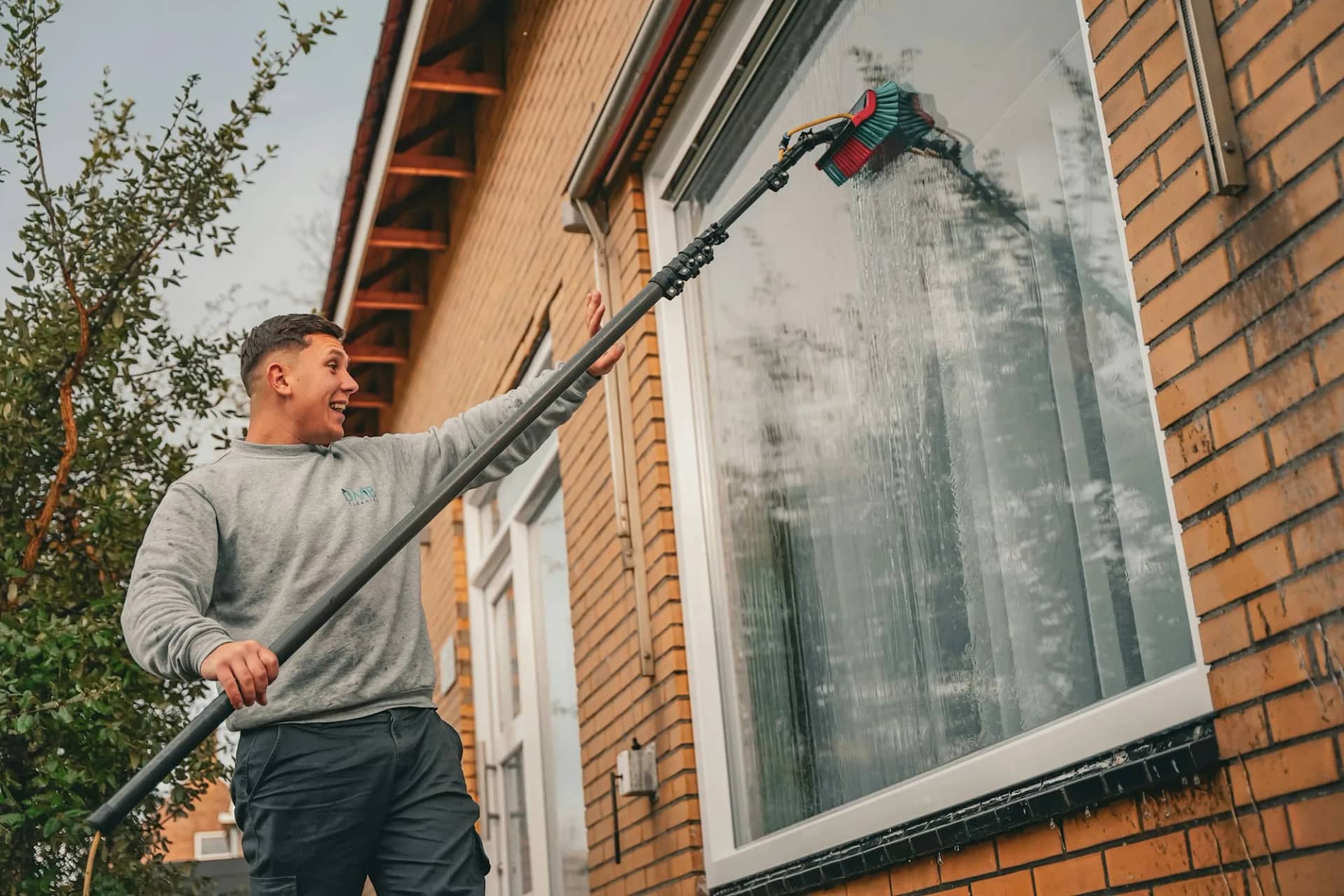
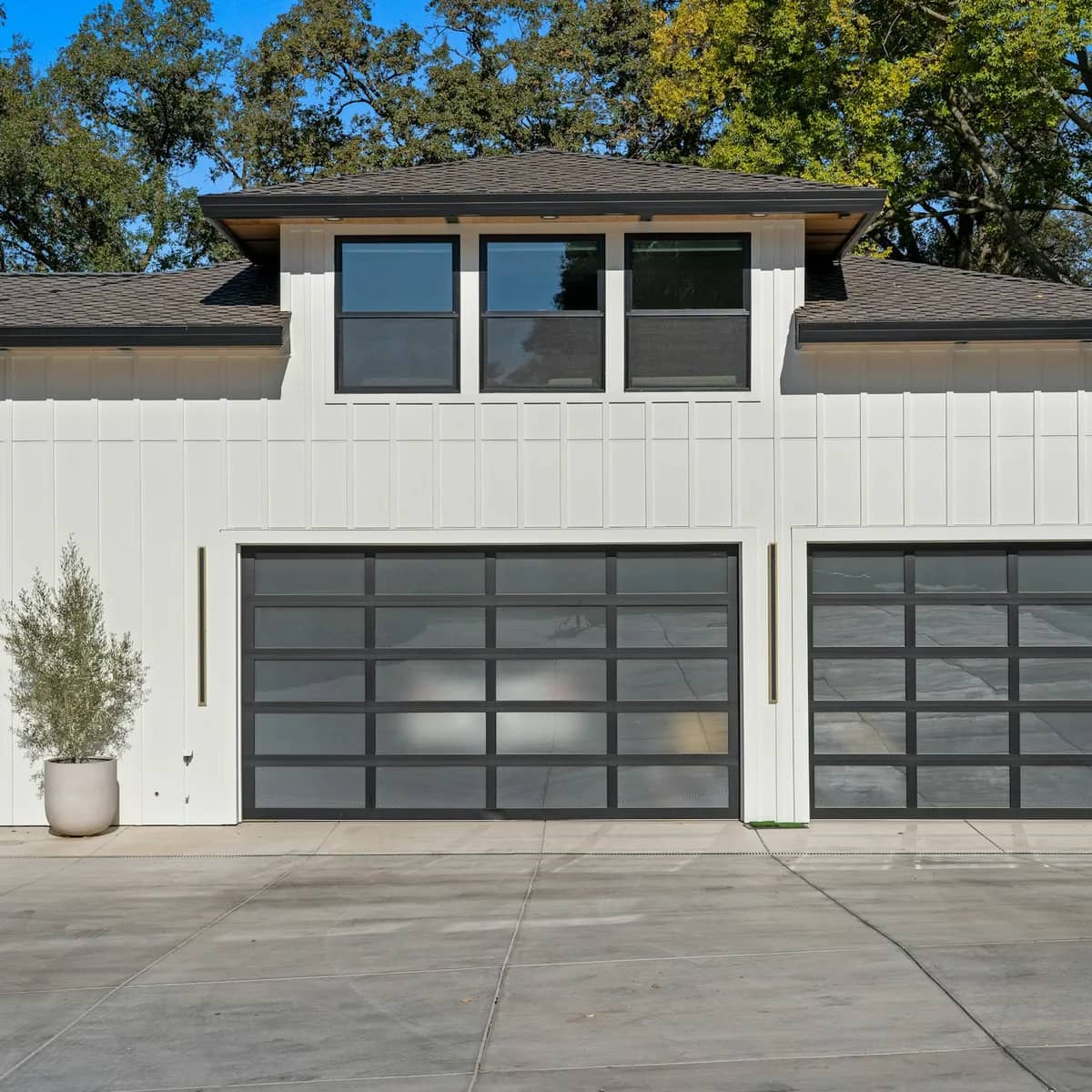
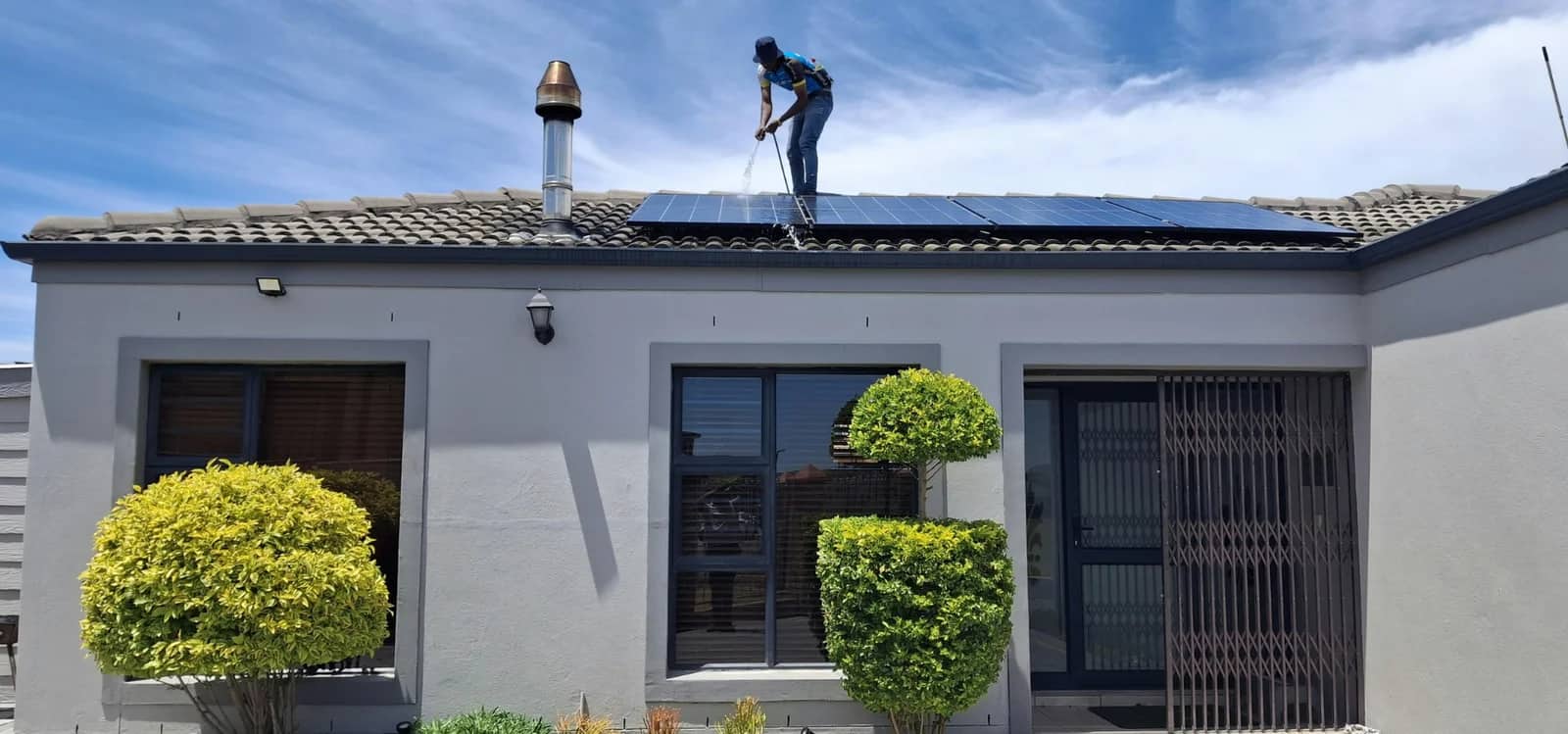
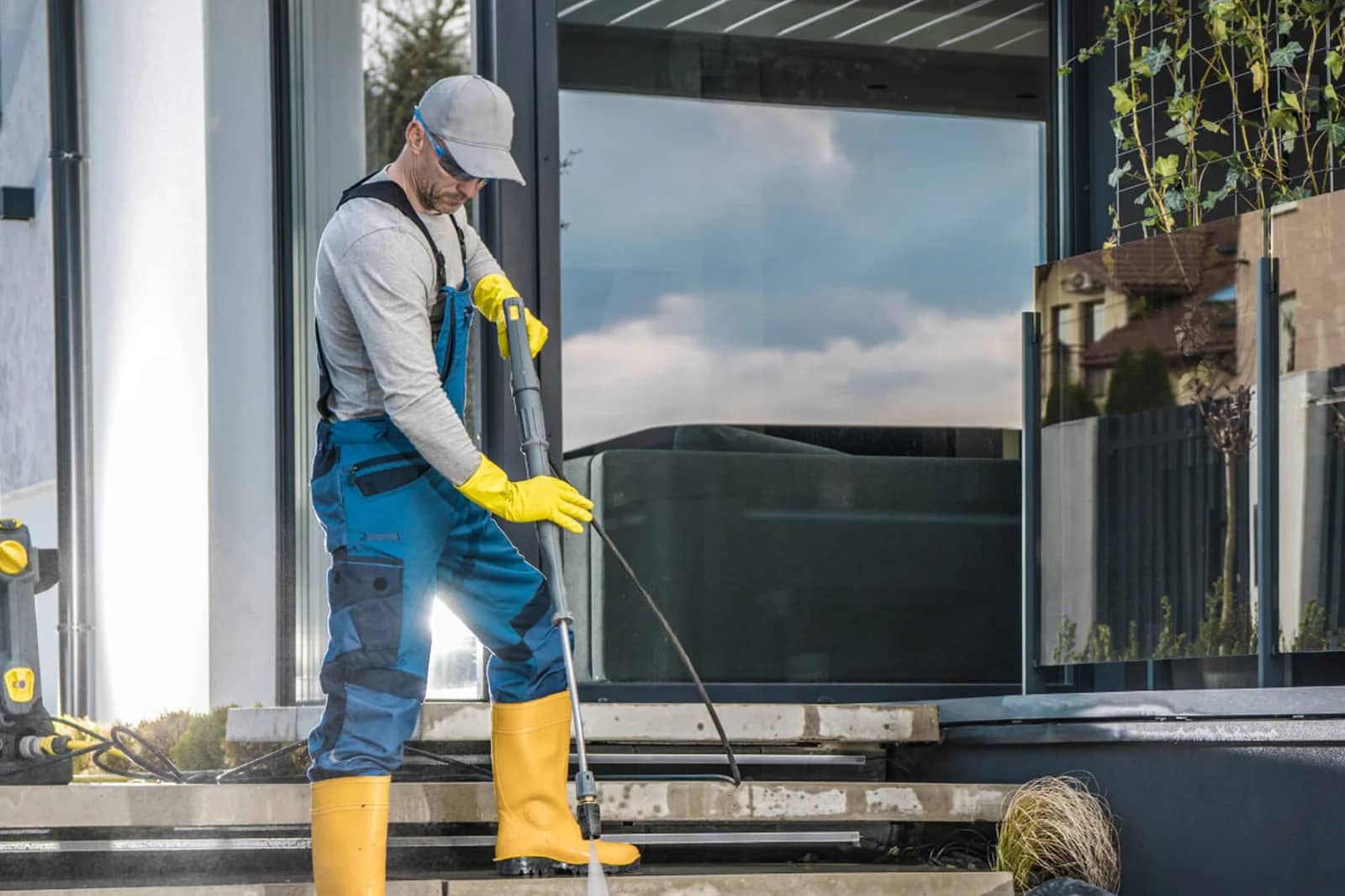
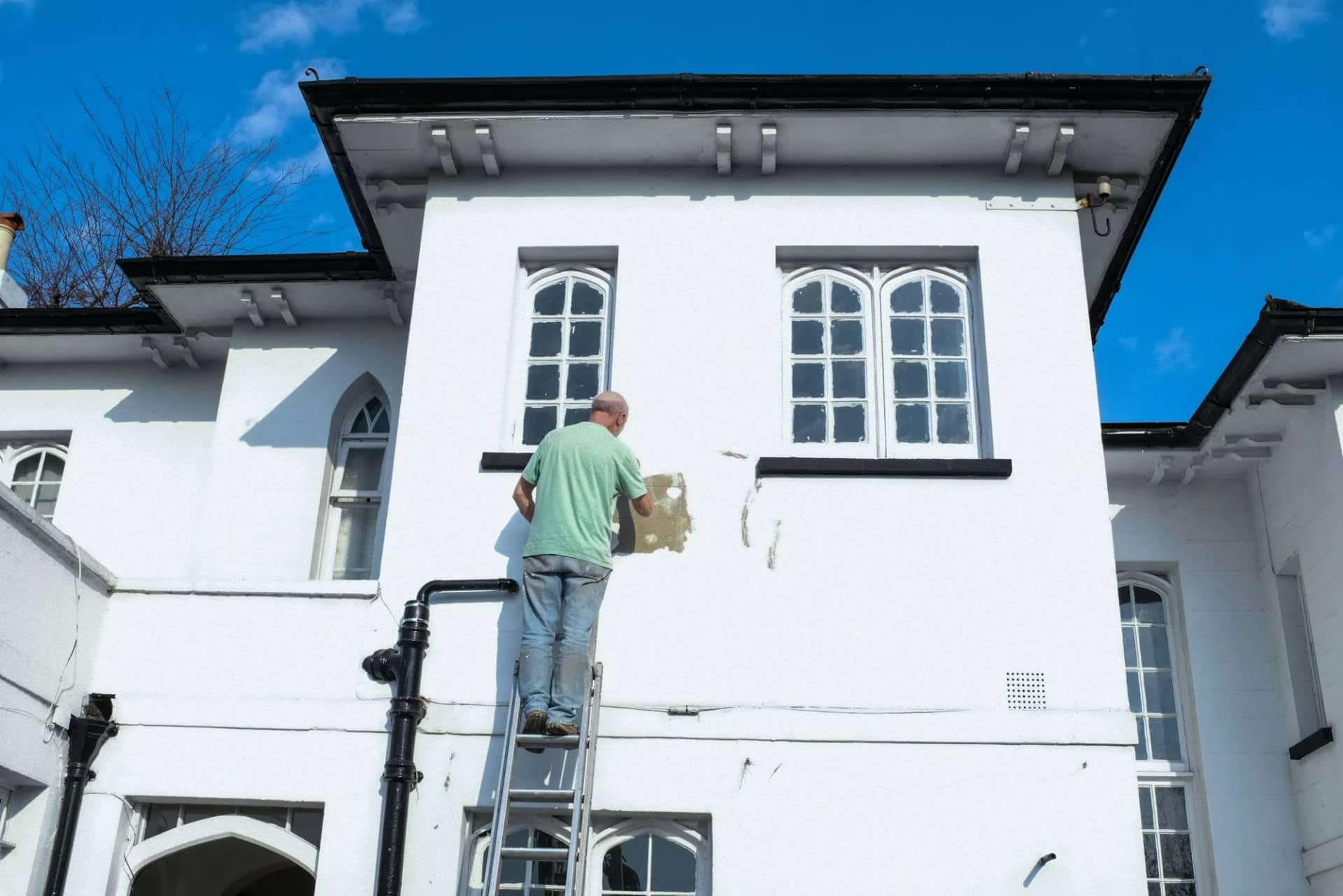
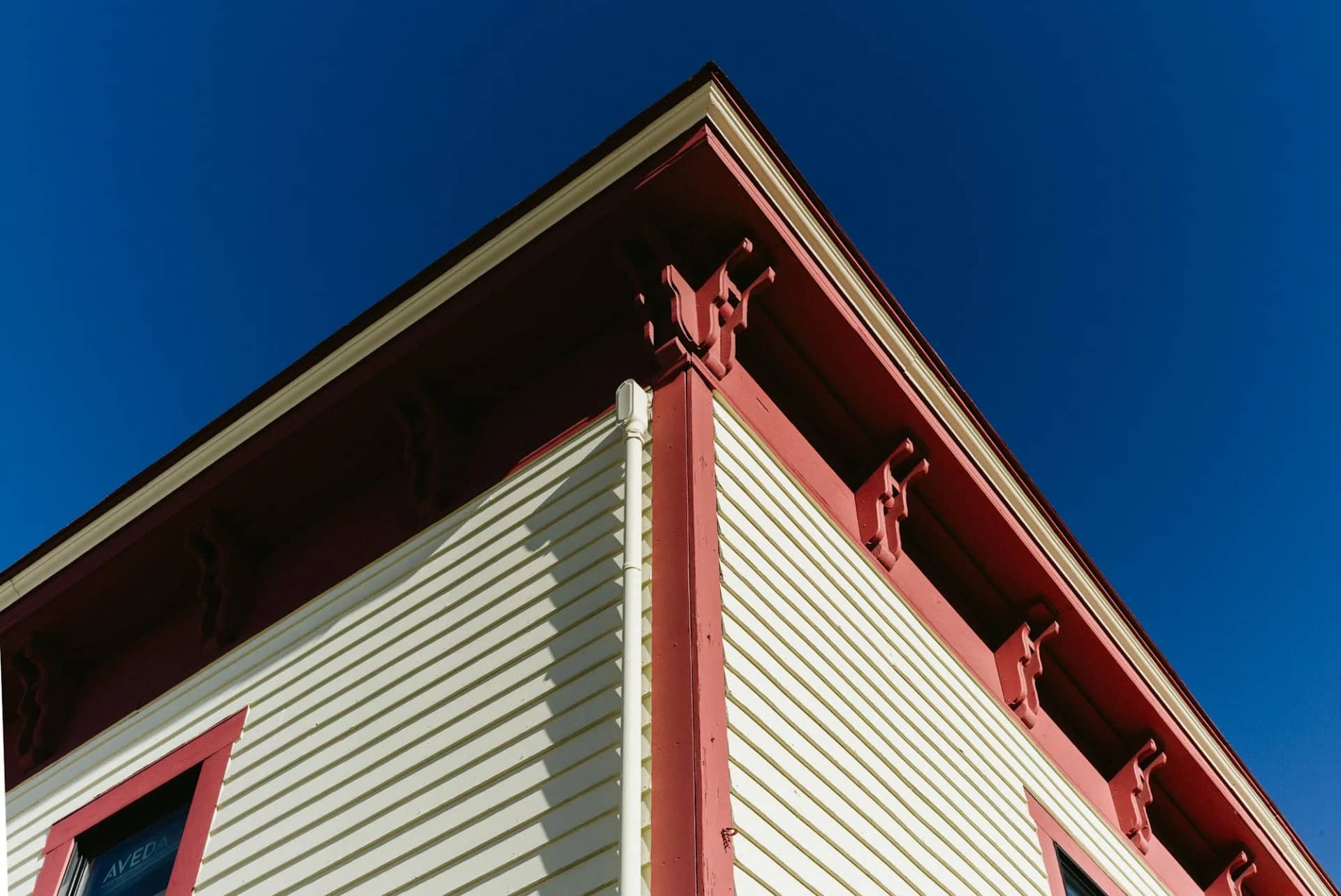
Example photographs of this kind of work, not RainCity jobs. Photos from our own projects on this service are being added.

How It Works
Our Simple Three-Step Process
Request a Free Quote
Call or send the form. We take the details, and price the property in front of us rather than reading off a rate card.
We Schedule & Arrive
We book a slot that suits you and turn up in it, with everything the job needs already on the truck.
Enjoy the Results
We walk the finished work with you before we leave, and put right anything that isn't up to standard.
Where We Work
This Work, Across Greater Vancouver
Everything comes off the truck — water, pressure, detergent and power — so the kit that reaches a strata lot in Surrey is the one that reaches an acreage in Anmore. Pick your community and the page will tell you what the work looks like there.
Anmore
Large treed lots above Port Moody, where the gutters fill with needles long before the leaves start.
Burnaby
Towers, townhouse complexes and single-family streets — a good deal of our strata common-area work sits here.
Delta
Ladner, Tsawwassen and North Delta: flat, open and close to the water, which is hard on painted siding.
Langley
The Township and the City both. Bigger lots, longer driveways, and surfaces that take a full season of weather.
New Westminster
Home. Heritage houses on the hill and a steep grid of streets — we know which ones the truck can park on.
Ridge Meadow
Maple Ridge and Pitt Meadows, out where the rain sits longest and a north-facing roof greens over fastest.
Surrey
The largest area we cover, Cloverdale down to South Surrey, and no shortage of commercial ground to keep sealed.
Tri-Cities
Coquitlam, Port Coquitlam and Port Moody. Hillside subdivisions, and hard surfaces that want the moss off every spring.
Vancouver
Character houses, laneways and mid-rise strata. Access is tight, so the water-fed pole earns its keep.
Often Booked Together
While We Are Already There
These are the jobs that go with this one, and the reason is nearly always the setup: the ladder, the truck or the dried surface is already where it needs to be. Worth knowing before a second visit is booked for something the first one was already set up for.
Request a Free Quote
Tell us what needs doing and we’ll come back with a price. Prefer to talk? +1 604 209 3357.
Based in New Westminster, serving Greater Vancouver.
Common Questions
Questions We Get Asked
The things people actually ask before booking, answered the way we would answer them on the phone. If yours is not here, call — you will get a straight answer from someone who does the work.
A cleaning method that uses a dilute detergent solution and dwell time instead of high pressure. The water leaves the nozzle at roughly the pressure of a garden hose — a fraction of what a pressure washer produces — so the chemistry does the cleaning and the water only rinses. It is the standard method for roofs, stucco, painted siding and cedar, all of which are damaged by pressure long before they are cleaned by it.
It is used safely on residential properties every day, and the safety comes from the preparation as much as the dilution. Beds and lawns are saturated with clean water before mixing, sensitive planting is sheeted, and everything is rinsed thoroughly afterwards. We ask that pets and children stay indoors while solution is being applied and until the rinse is finished, after which the surfaces are fine to be around.
Typically two to four years on a roof and two to three on siding in this climate, against roughly a year for growth blasted off at pressure. The difference is that the root structure is killed rather than removed, so regrowth starts from spores landing on a clean surface rather than from what was left behind. Shaded, north-facing and tree-covered properties sit at the shorter end of both ranges.
Yes — those streaks are algae rather than staining, and they are exactly what this method is for. They lift as the colony dies rather than washing off on contact, so the roof keeps improving for two or three weeks after the visit. Heavy lichen is the slowest to go and can leave faint shadows on an older roof where it has been established long enough to mark the granule surface.
Partly. Surface film, algae and light growth go on the day; thick moss and established lichen release gradually as they break down and finish clearing over the following weeks, helped along by the next few rains. If you need a surface visibly clean for a specific date — a listing photograph, an inspection — say so at the quote, because that sometimes changes the method or the timing.
Light rain is usually fine and occasionally helps with the rinse. Steady rain is not, because it dilutes the solution off the surface before it has had time to work, so a downpour will move a booking. Wind matters more than rain does: solution carries in a breeze, and we will not spray a wall next to your neighbour's car in twenty knots.