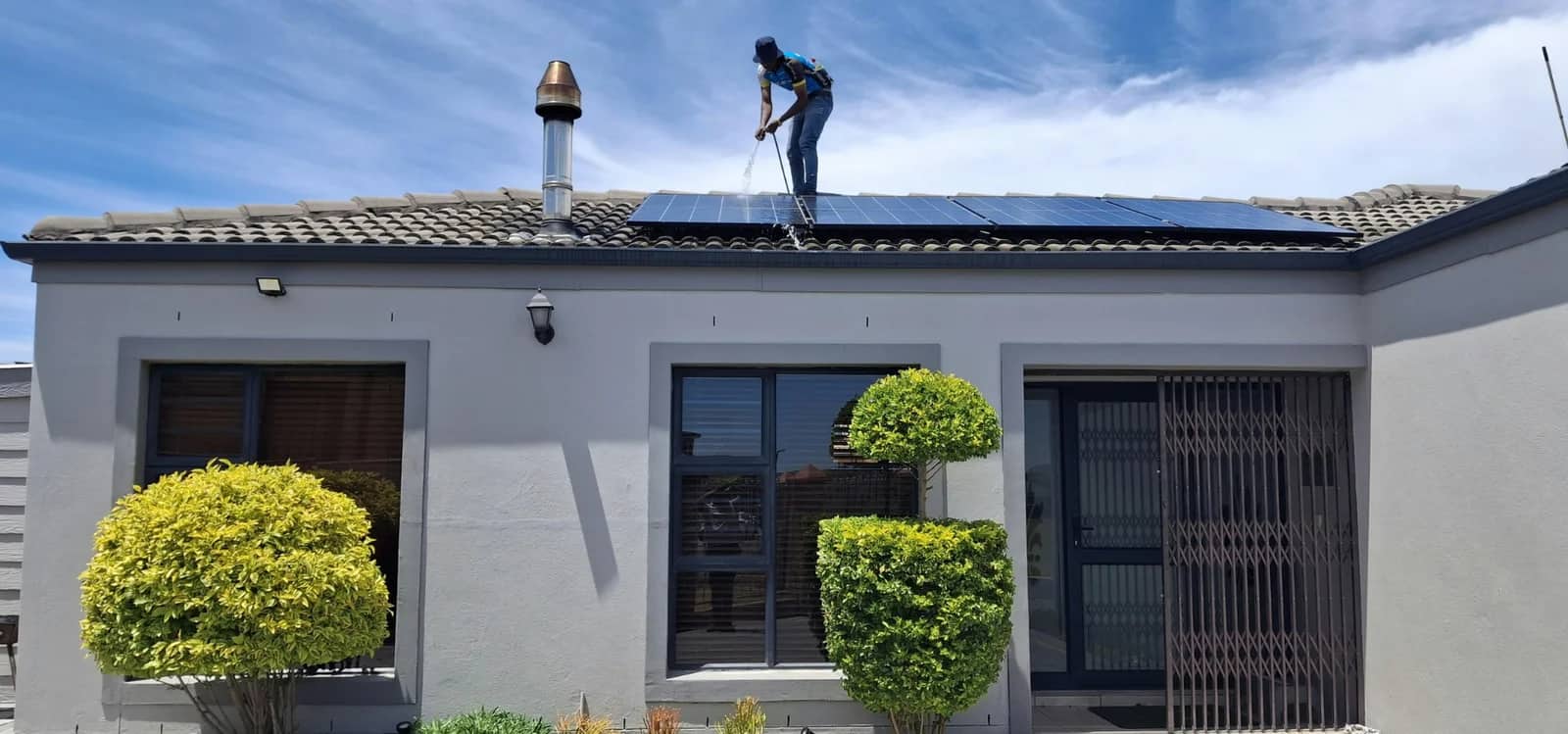
Roof CleaningIn Greater Vancouver
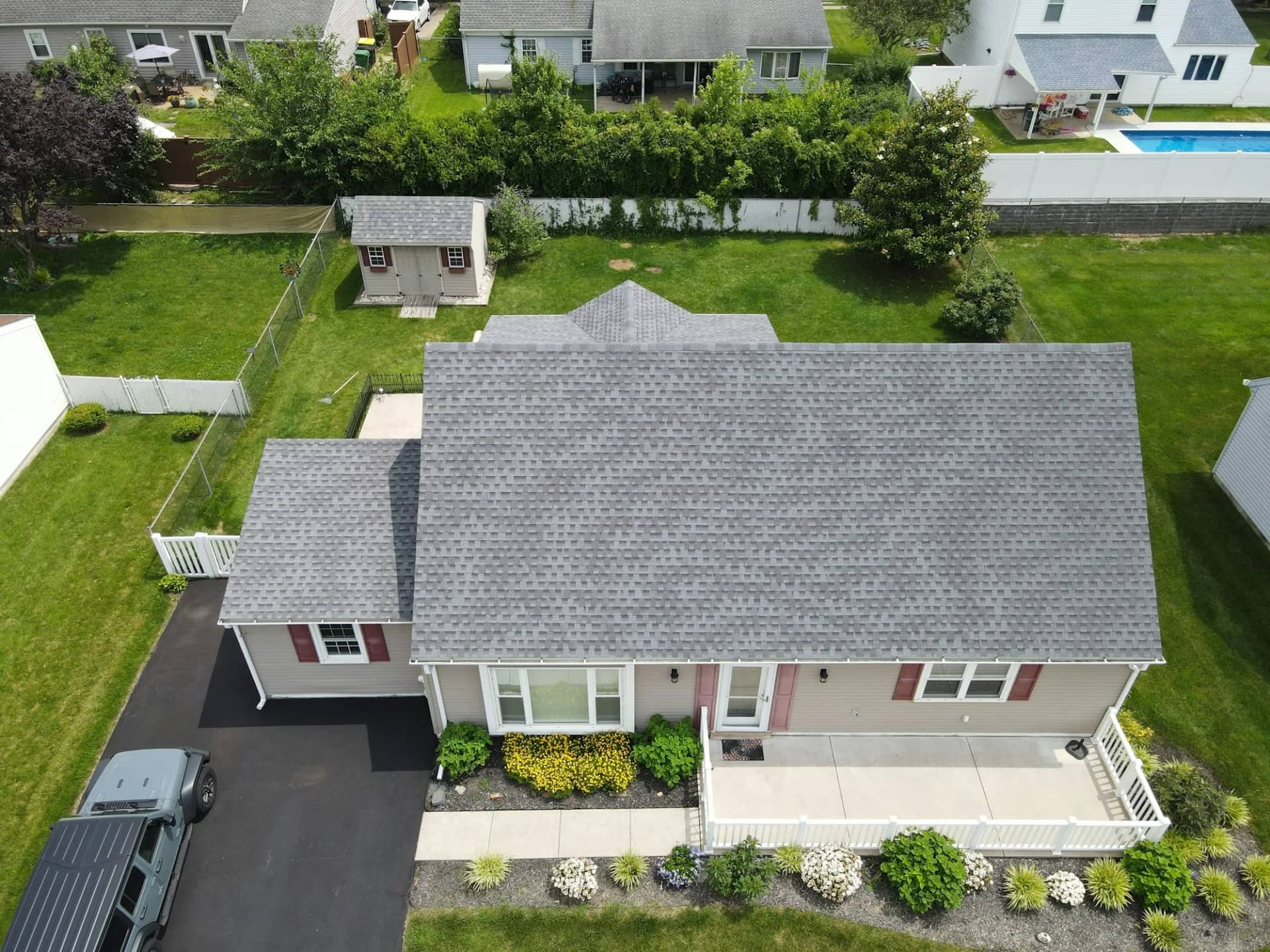
Moss lifted off shingle, tile and metal with a low-pressure treatment — never a lance, which takes years off the roof it is supposed to be saving.
Our Service
Granules Don't Grow Back
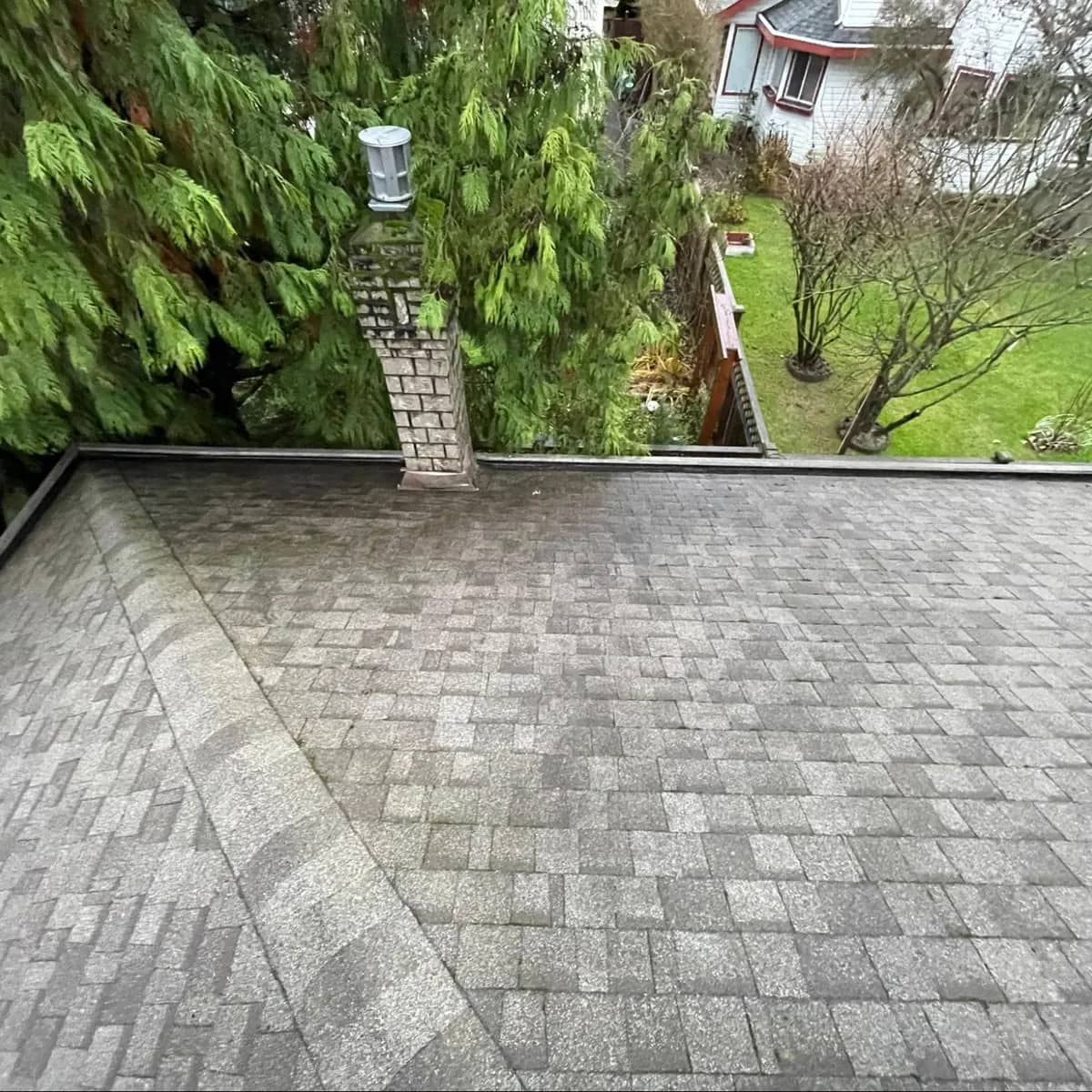
The mineral granules on an asphalt shingle are its sunscreen and most of its life expectancy, and a pressure washer strips them in a single pass. We treat instead: a low-pressure application that kills moss and lichen at the root, a soft brush only where a mat needs it, and then time. Everything is worked down-slope, never against a lap — and the gutters are cleared after the roof, not before.
What's Included
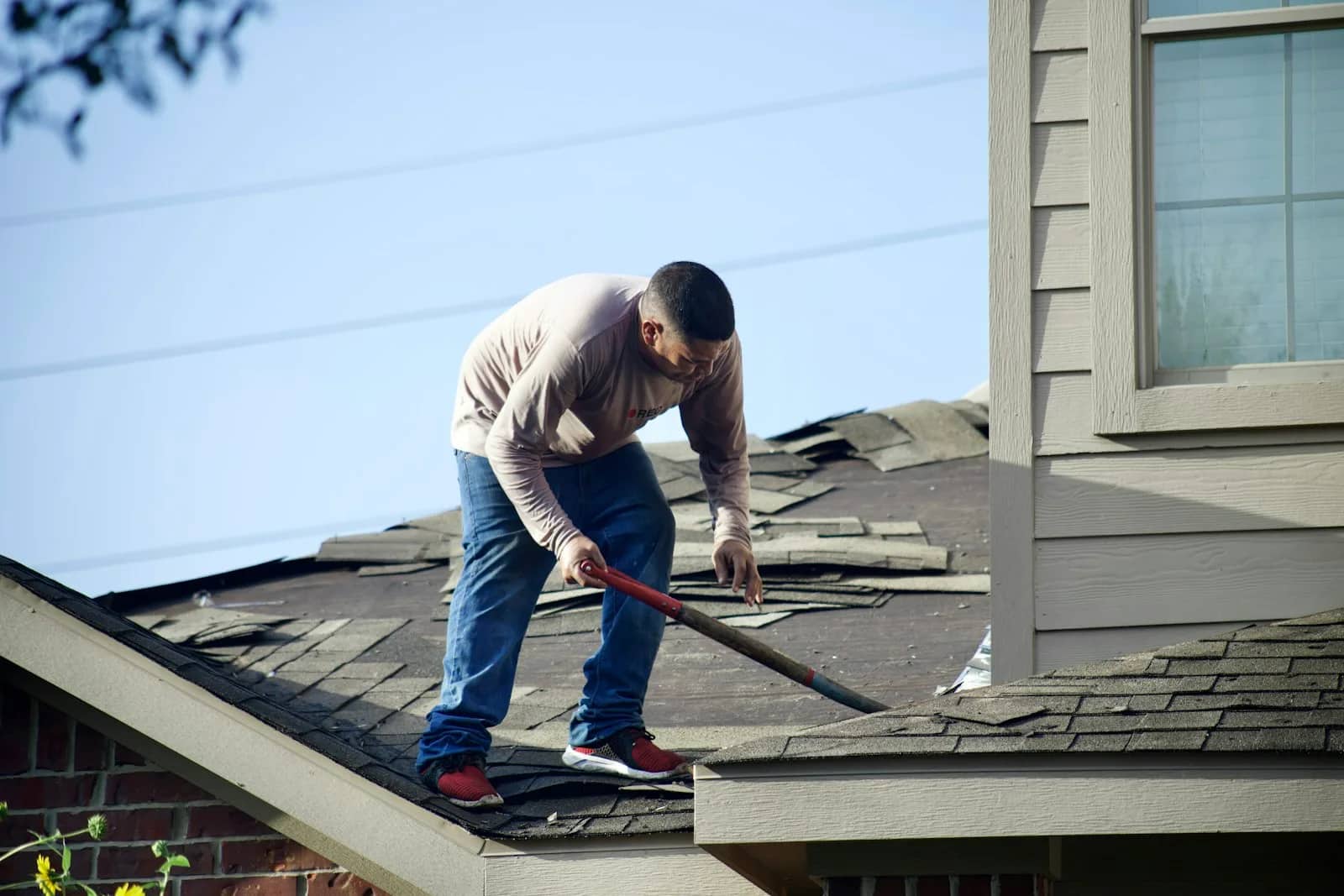
Asphalt shingle, tile and metal roofs
Three surfaces with three tolerances. Asphalt shingle is the most common here and the least forgiving of pressure; concrete and clay tile are more robust but crack under a careless footfall; metal and standing-seam need a product that will not attack the coating. The method is set at the quote, not from the ground.
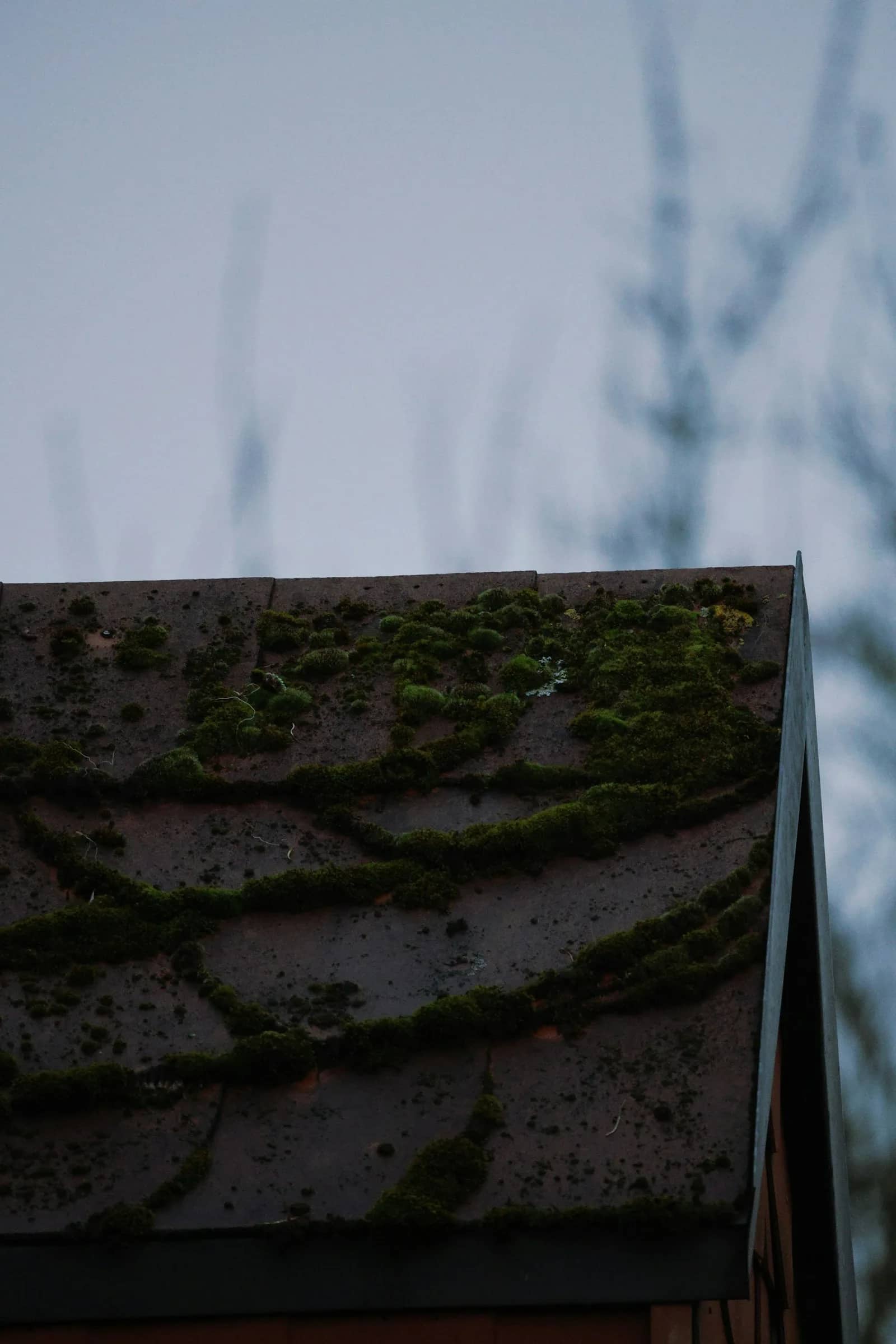
Moss and lichen lifted at low pressure
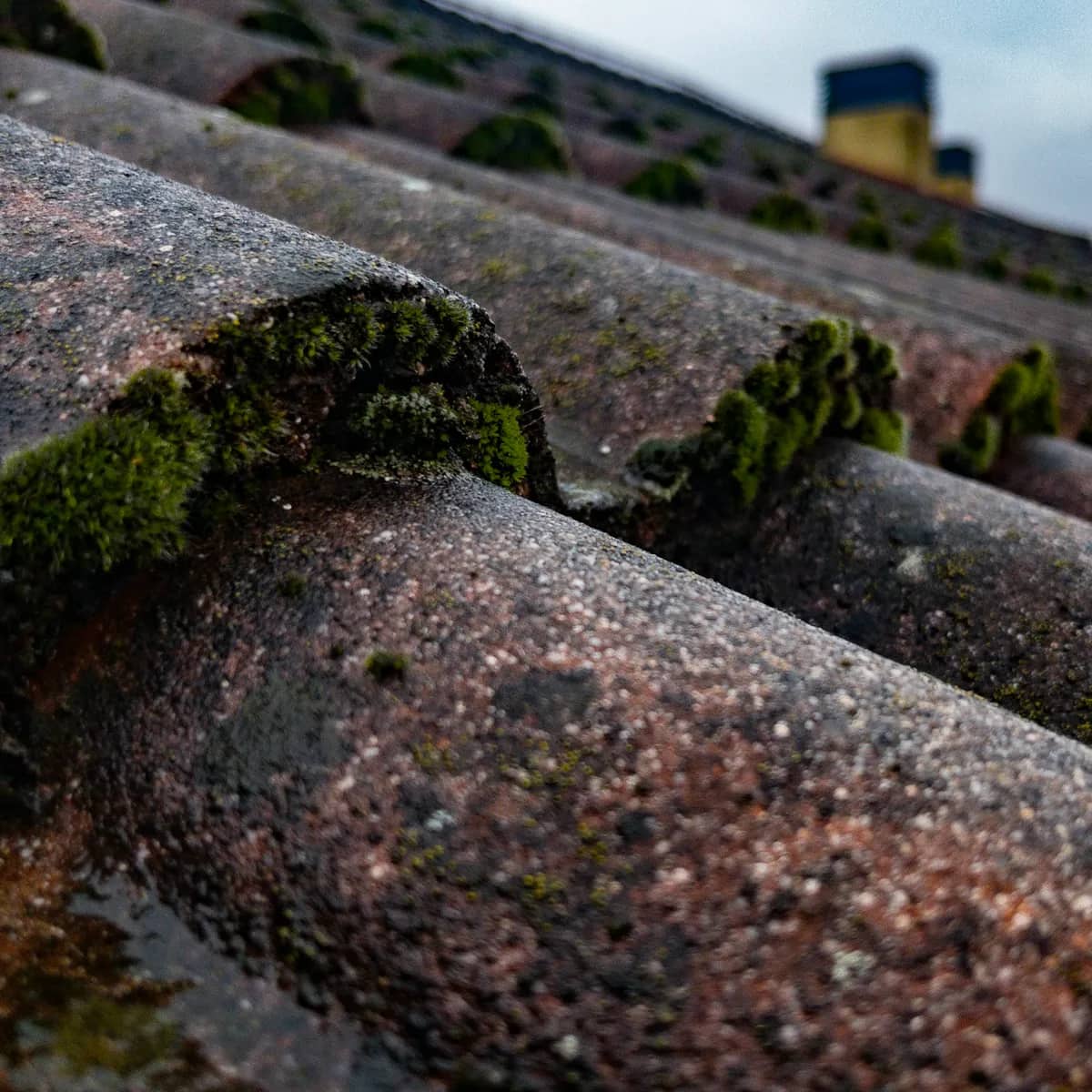
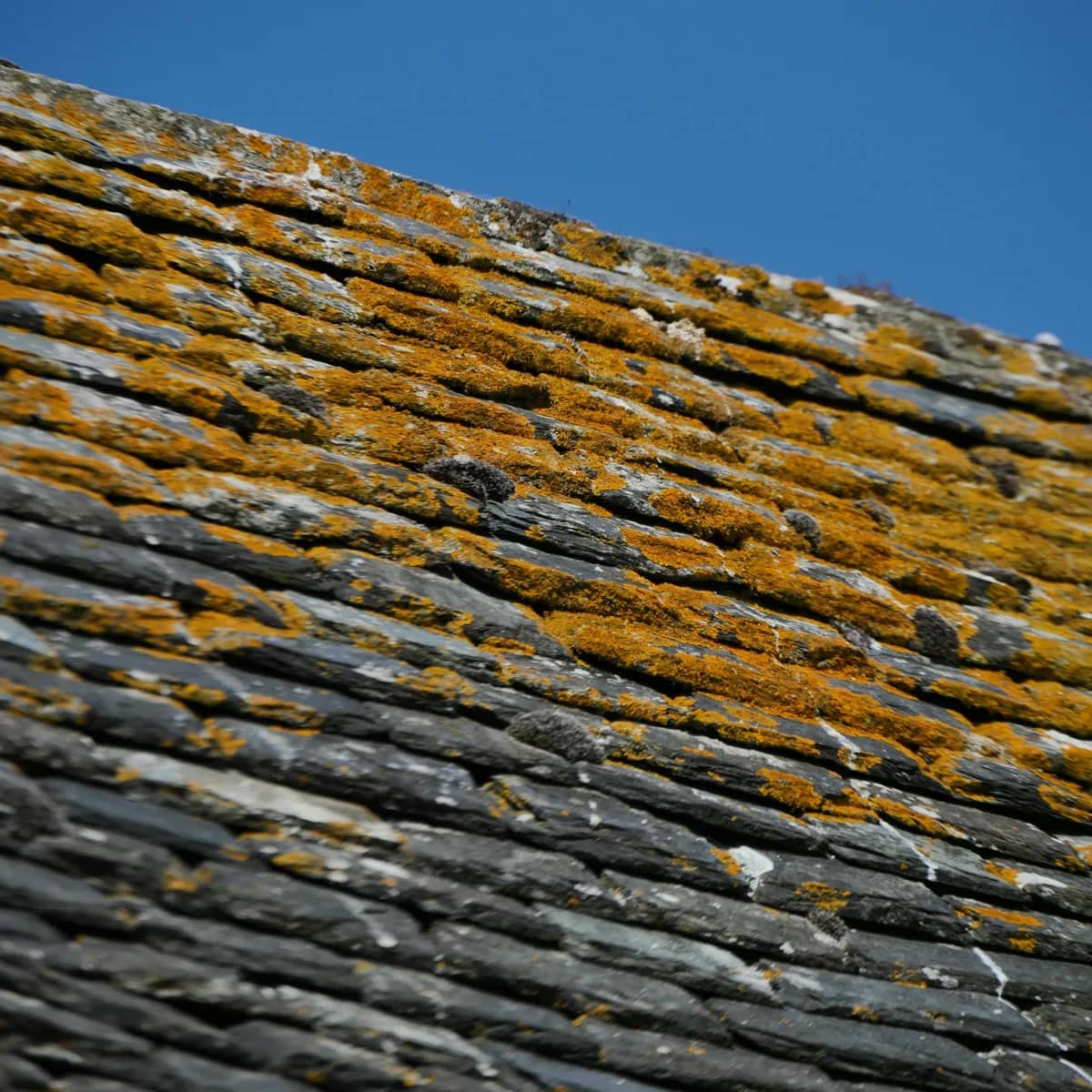
Thick moss on a coastal roof grows a mat that grips into the granule surface, so tearing it off takes the granules with it. Treated first, it releases as a sheet and lifts cleanly, with a soft brush used only where a mat is heavy. Lichen is slower — its holdfast grips harder — and keeps clearing for weeks after the visit.
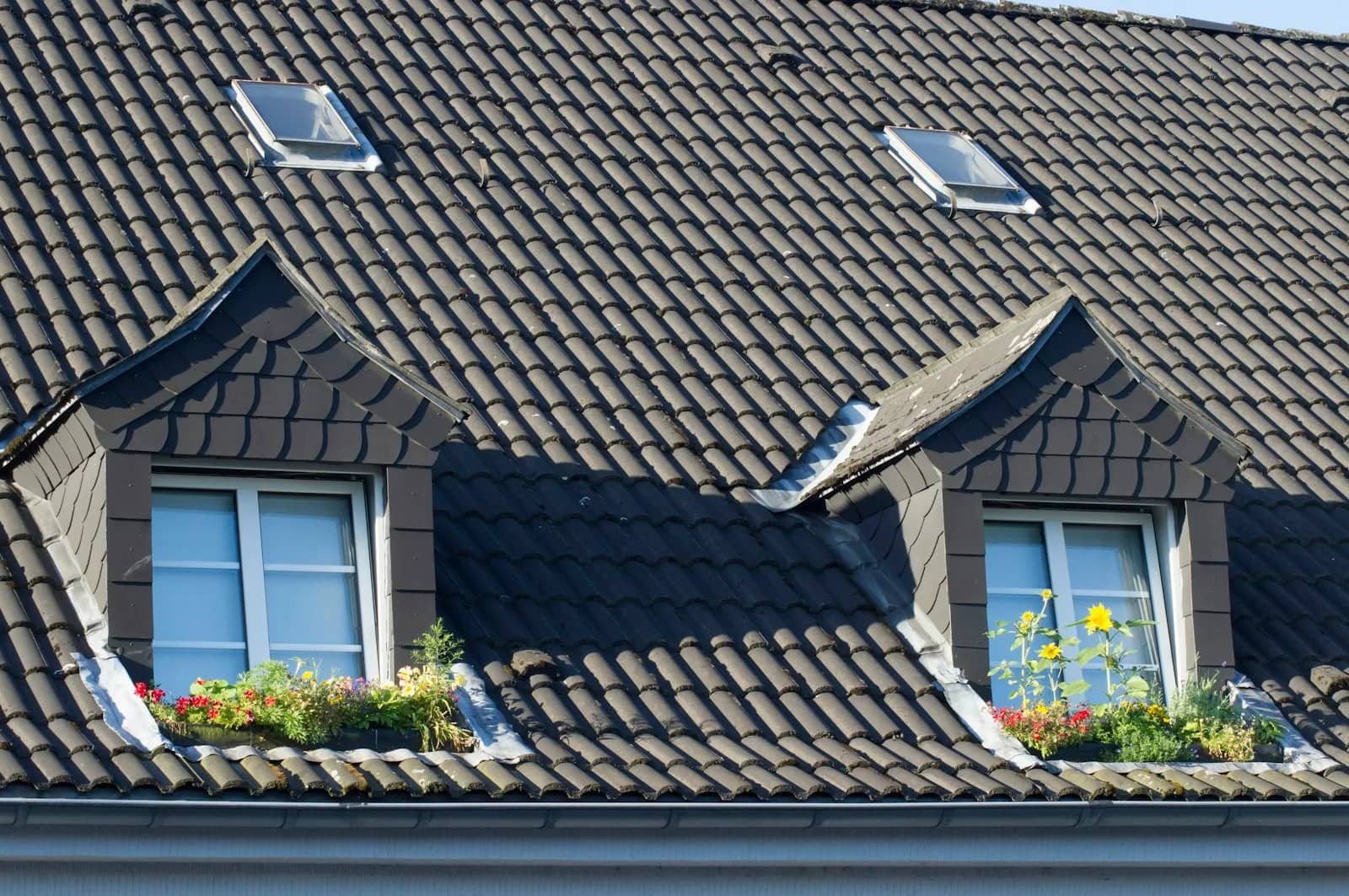
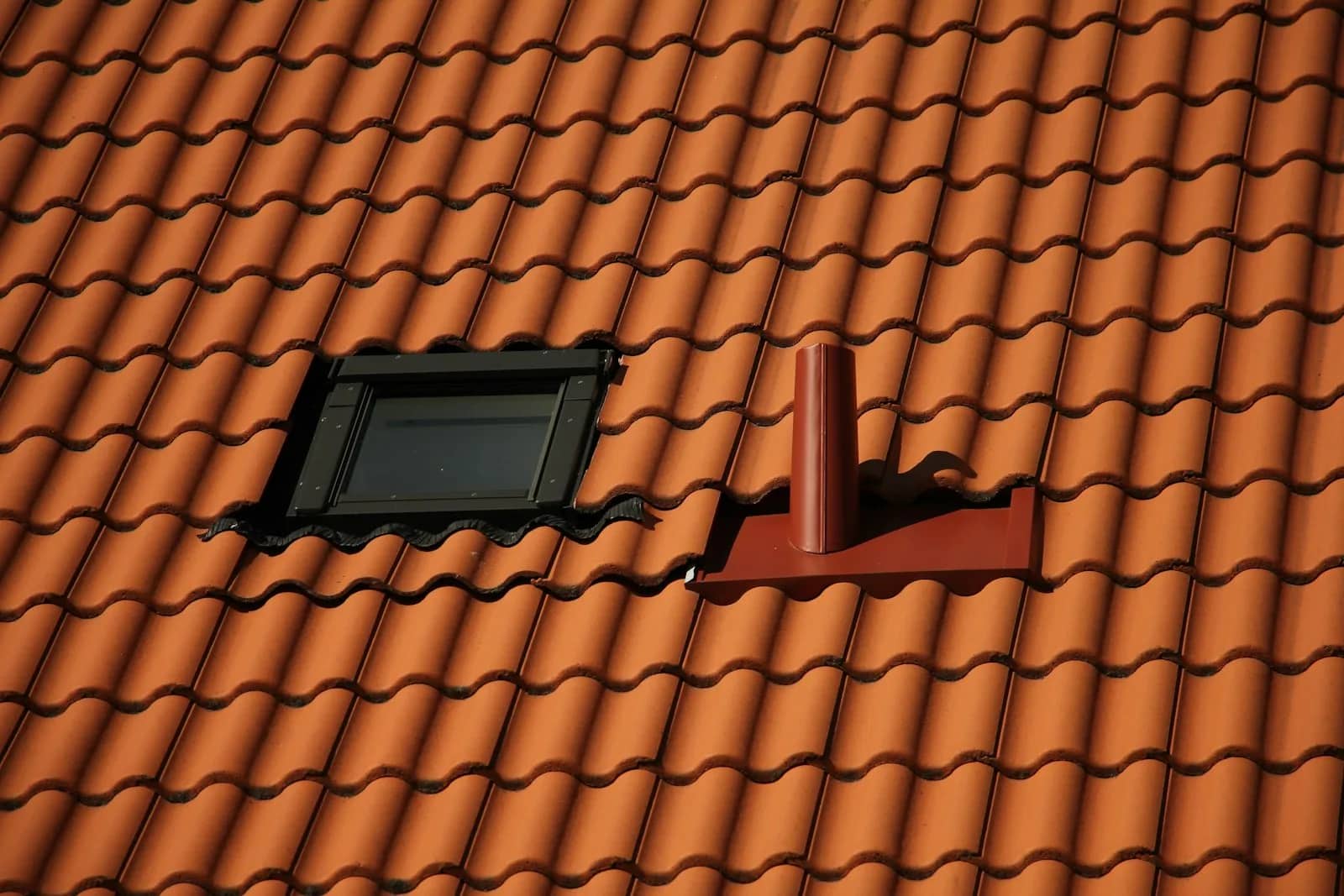
Valleys, vents and skylight kerbs cleared
The places where a roof actually leaks. Valleys carry water off two slopes at once and block first; vent boots, stack collars and skylight kerbs catch debris on their upslope side and hold it against the seal. All of it is cleared by hand so the channels run free, which matters more than the visible slope does.
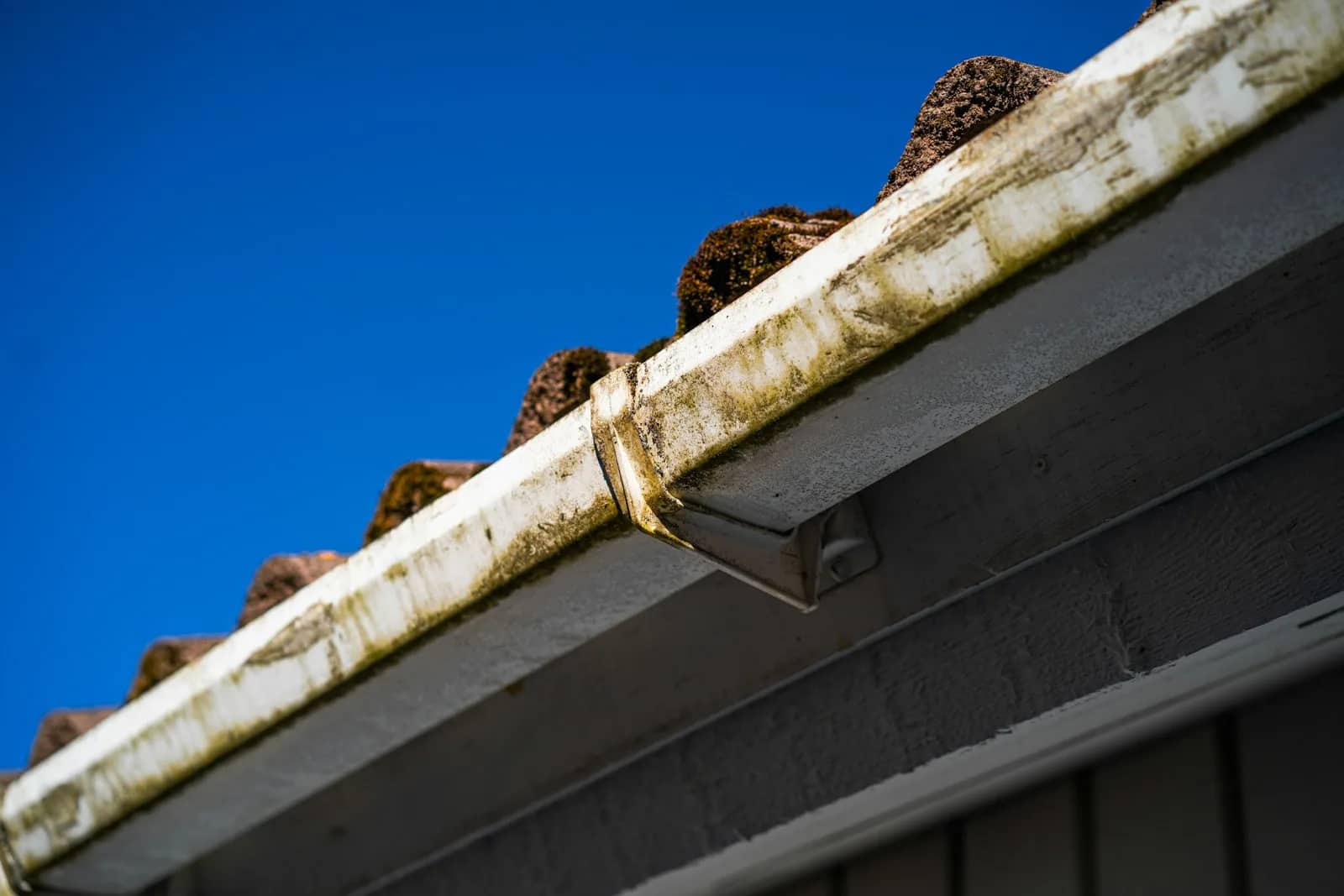
Gutters cleared after the roof, not before
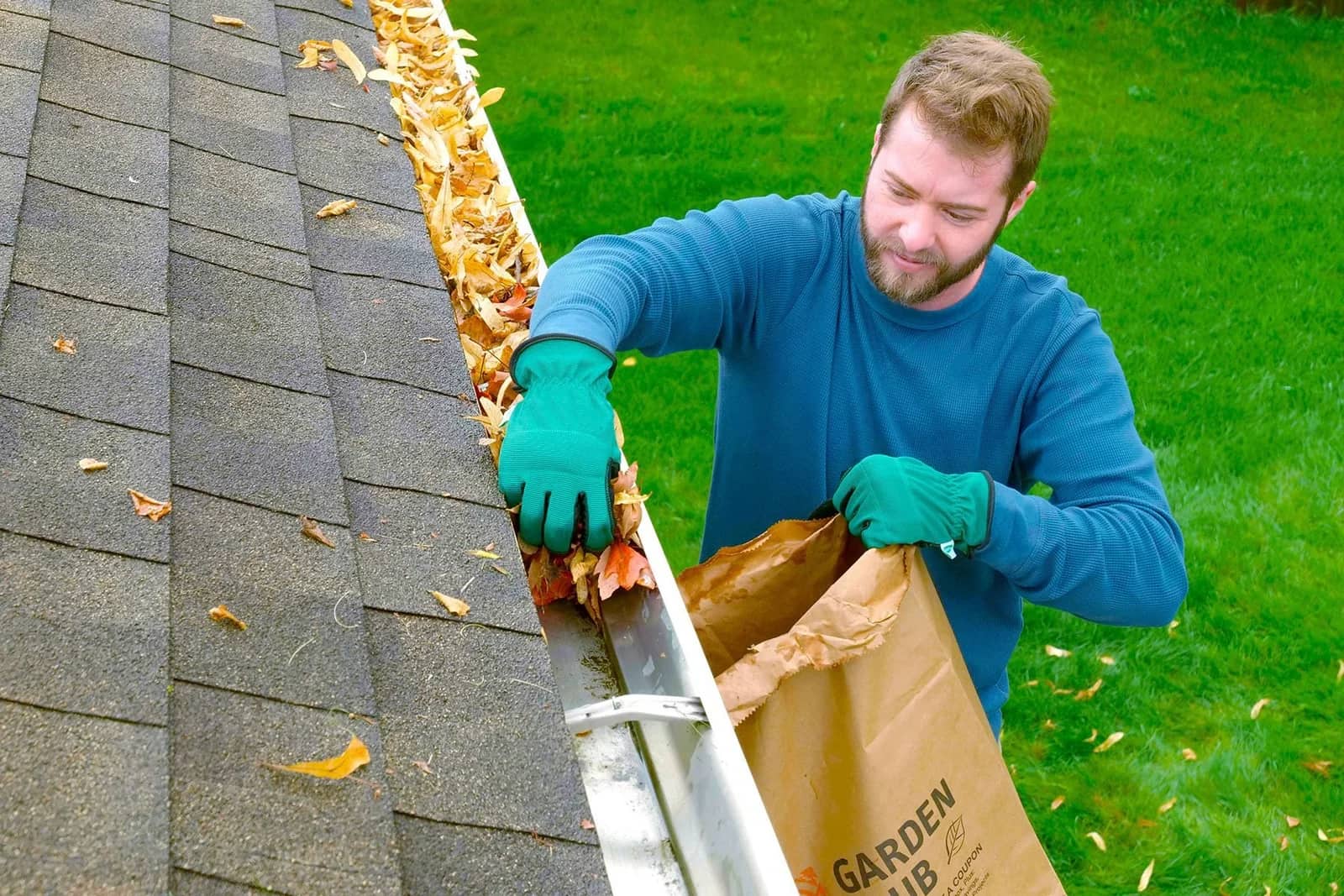
Roof cleaning fills gutters — with moss, grit and dislodged granules — so clearing them first is wasted work. They come last, with the runs emptied, the downspouts flushed and the water watched out at the bottom, which means the drainage system is working on the day we leave rather than blocked by the roof job.
Flashing and vent condition report
Walking a roof is the only good look anyone gets at it, so we use it. Step and chimney flashing, sealant beads, ridge caps, vent boots and any lifted or missing shingles are checked and photographed, and you get told what is urgent and what is simply old. We do not roof, so there is nothing behind the report.
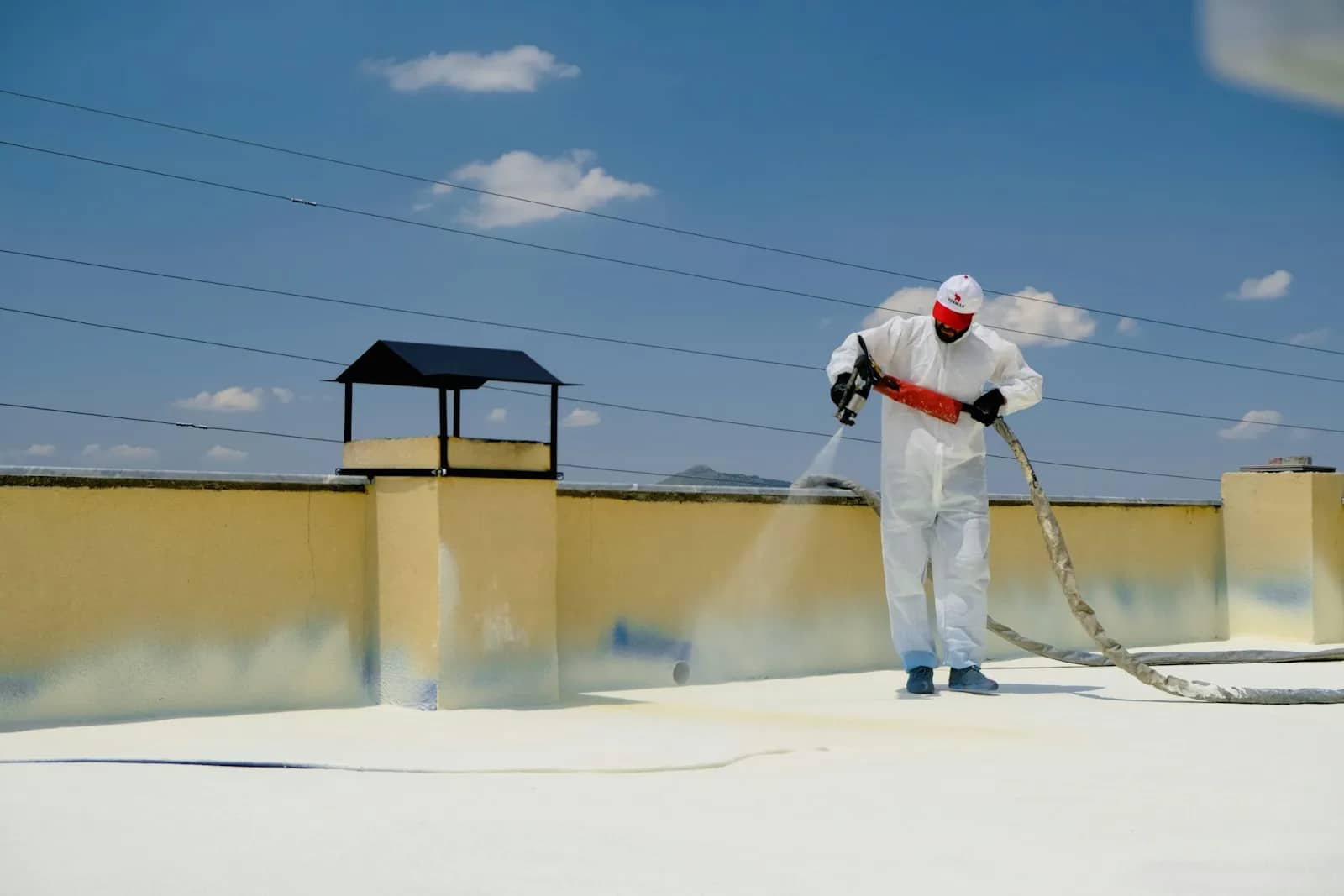
Preventative treatment to slow regrowth
On a wet, shaded coastal roof the moss is coming back — the only question is how fast. A preventative application after cleaning, or a zinc strip at the ridge so rainwater carries a trace of metal down the slope, typically doubles the interval between cleans. Quoted as an option: on a sunny roof it is not worth it.
Why Choose RainCity?
A roof is the most expensive thing on a property to get wrong, which makes it worth knowing who is walking on yours. We are licensed and fully insured for work at height, we use a method that does not shorten the roof's life to make the day go quicker, and we will tell you honestly when a roof is past cleaning and into replacement — including on the occasions when saying so costs us the job.
Get a Free QuoteFully insured and licensed for work at height
Operating from New Westminster across Greater Vancouver
Single homes, strata roofs and commercial buildings
Free quotes, with photographs of what we found
Every job guaranteed — including the honest no
Recent Projects
See the Work Up Close
Photographs from our own jobs, before and after, with example photos marked as such. Select a project to see every photo from it.
How It Works
Our Simple Three-Step Process
Request a Free Quote
Call or send the form. We take the details, and price the property in front of us rather than reading off a rate card.
We Schedule & Arrive
We book a slot that suits you and turn up in it, with everything the job needs already on the truck.
Enjoy the Results
We walk the finished work with you before we leave, and put right anything that isn't up to standard.
Where We Work
This Work, Across Greater Vancouver
Everything comes off the truck — water, pressure, detergent and power — so the kit that reaches a strata lot in Surrey is the one that reaches an acreage in Anmore. Pick your community and the page will tell you what the work looks like there.
Anmore
Large treed lots above Port Moody, where the gutters fill with needles long before the leaves start.
Burnaby
Towers, townhouse complexes and single-family streets — a good deal of our strata common-area work sits here.
Delta
Ladner, Tsawwassen and North Delta: flat, open and close to the water, which is hard on painted siding.
Langley
The Township and the City both. Bigger lots, longer driveways, and surfaces that take a full season of weather.
New Westminster
Home. Heritage houses on the hill and a steep grid of streets — we know which ones the truck can park on.
Ridge Meadow
Maple Ridge and Pitt Meadows, out where the rain sits longest and a north-facing roof greens over fastest.
Surrey
The largest area we cover, Cloverdale down to South Surrey, and no shortage of commercial ground to keep sealed.
Tri-Cities
Coquitlam, Port Coquitlam and Port Moody. Hillside subdivisions, and hard surfaces that want the moss off every spring.
Vancouver
Character houses, laneways and mid-rise strata. Access is tight, so the water-fed pole earns its keep.
Often Booked Together
While We Are Already There
These are the jobs that go with this one, and the reason is nearly always the setup: the ladder, the truck or the dried surface is already where it needs to be. Worth knowing before a second visit is booked for something the first one was already set up for.

Request a Free Quote
Tell us what needs doing and we’ll come back with a price. Prefer to talk? +1 604 209 3357.
Based in New Westminster, serving Greater Vancouver.
Common Questions
Questions We Get Asked
The things people actually ask before booking, answered the way we would answer them on the phone. If yours is not here, call — you will get a straight answer from someone who does the work.
Not the way we do it. The damage people associate with roof cleaning comes from pressure washing, which strips the mineral granules that protect an asphalt shingle from UV and can take years off the roof in an afternoon. A low-pressure treatment kills the growth and lets it release on its own, and the brushwork is limited to lifting mats that are already loose. Nothing is scrubbed against the lap of a shingle.
It would, and it is the single most common way a roof is ruined by someone trying to help it. High pressure removes granules, forces water up under the courses and behind flashings, and leaves the moss root structure in place so it regrows within a season anyway. You get a roof that looks dramatically better for a year and fails several years early. We do not offer it, at any price.
Three to five years is typical on a Greater Vancouver roof after a proper treatment, against roughly a year if the growth is simply knocked off. North-facing slopes, roofs under conifers and anything permanently shaded are at the short end of that. A preventative treatment or a zinc strip at the ridge extends it considerably, and we will tell you at the quote whether your roof is a candidate.
Some of it is immediate and the rest is gradual. Surface algae and black streaking go quickly; heavy moss and established lichen die and then break down and wash off over the following few weeks, which on this coast the rain does for us. If you need the roof visibly clear by a particular date, tell us at the quote — it can change the method and it definitely changes the timing.
Most shingle manufacturers explicitly warn against pressure washing and accept low-pressure cleaning, which is one of several reasons we work the way we do. If your roof is still inside its warranty period it is worth checking the manufacturer's own maintenance guidance, and we are happy to confirm in writing what method and what products were used on your roof so you have it on file.
Only where it is safe and appropriate for the surface. Asphalt shingle in mild weather takes foot traffic well; tile is walked on boards or not at all; a steep pitch, a wet day or an aged roof means the work is done from ladders, edge access or a pole. The approach is decided at the quote, and if a roof should not be walked we will say so before booking rather than after arriving.