
Snow Removal & SaltingIn Greater Vancouver
Driveways, walkways, strata lots and commercial entrances cleared and salted before the first arrival — booked as a season, or called out event by event.
Our Service
The Risk Isn't the Snow. It's 7 a.m.
Snow here is wet, heavy and almost always overnight, which is what makes it a liability: nothing in Greater Vancouver is set up for it, and by morning it has compacted into ice under the first few footsteps. We watch the forecast and dispatch at an agreed trigger depth, usually two centimetres, so a site is done before the first car turns in. Every visit is logged with time, depth and product.
What's Included
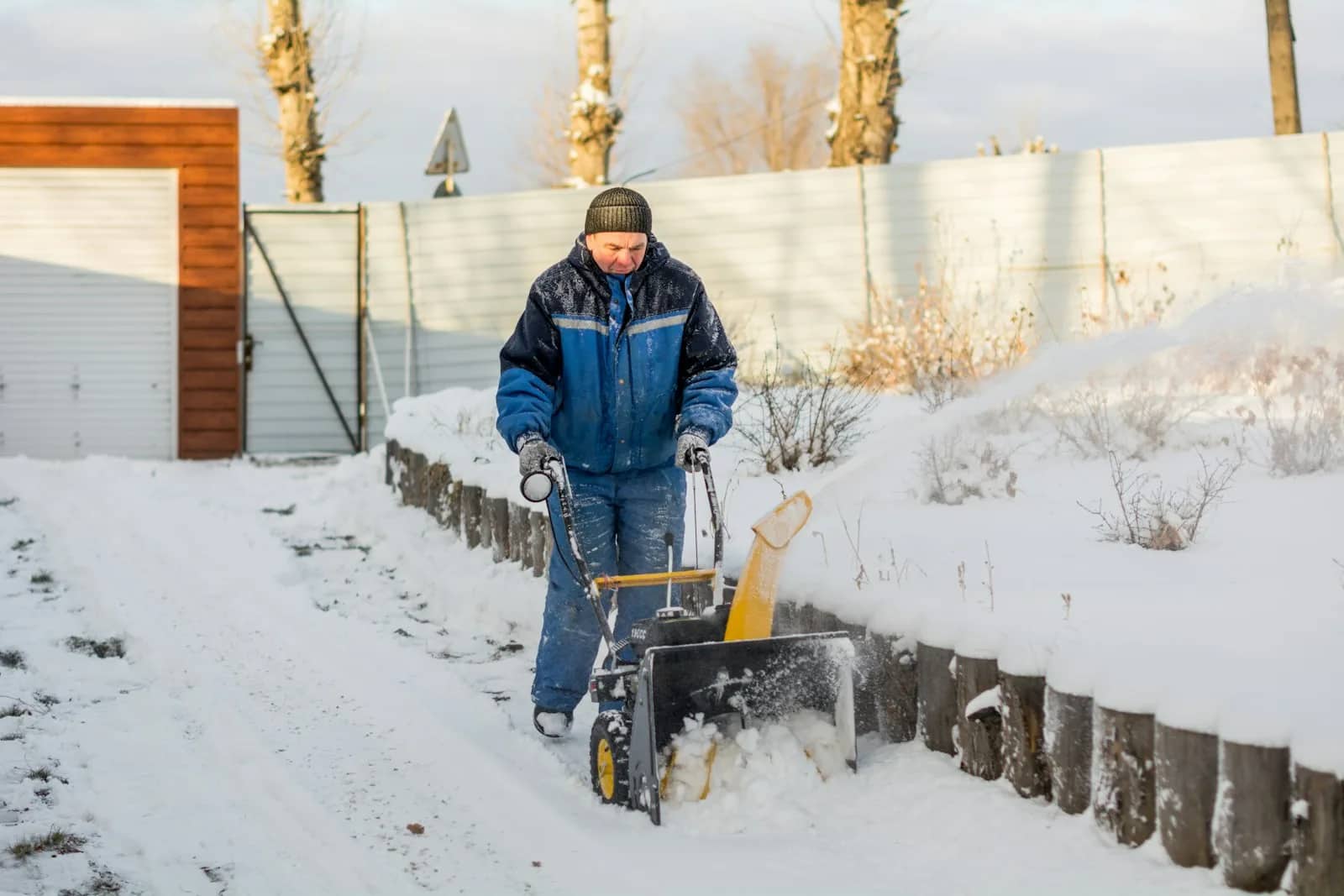
Driveways, walkways and building entrances
Cleared to the surface rather than to a passable rut, with snow banked where it will not melt back across the path it came off or block sightlines at the street. Entrances, thresholds and the first few metres of walkway are done by hand and salted — that transition to a wet lobby floor is where most falls happen.
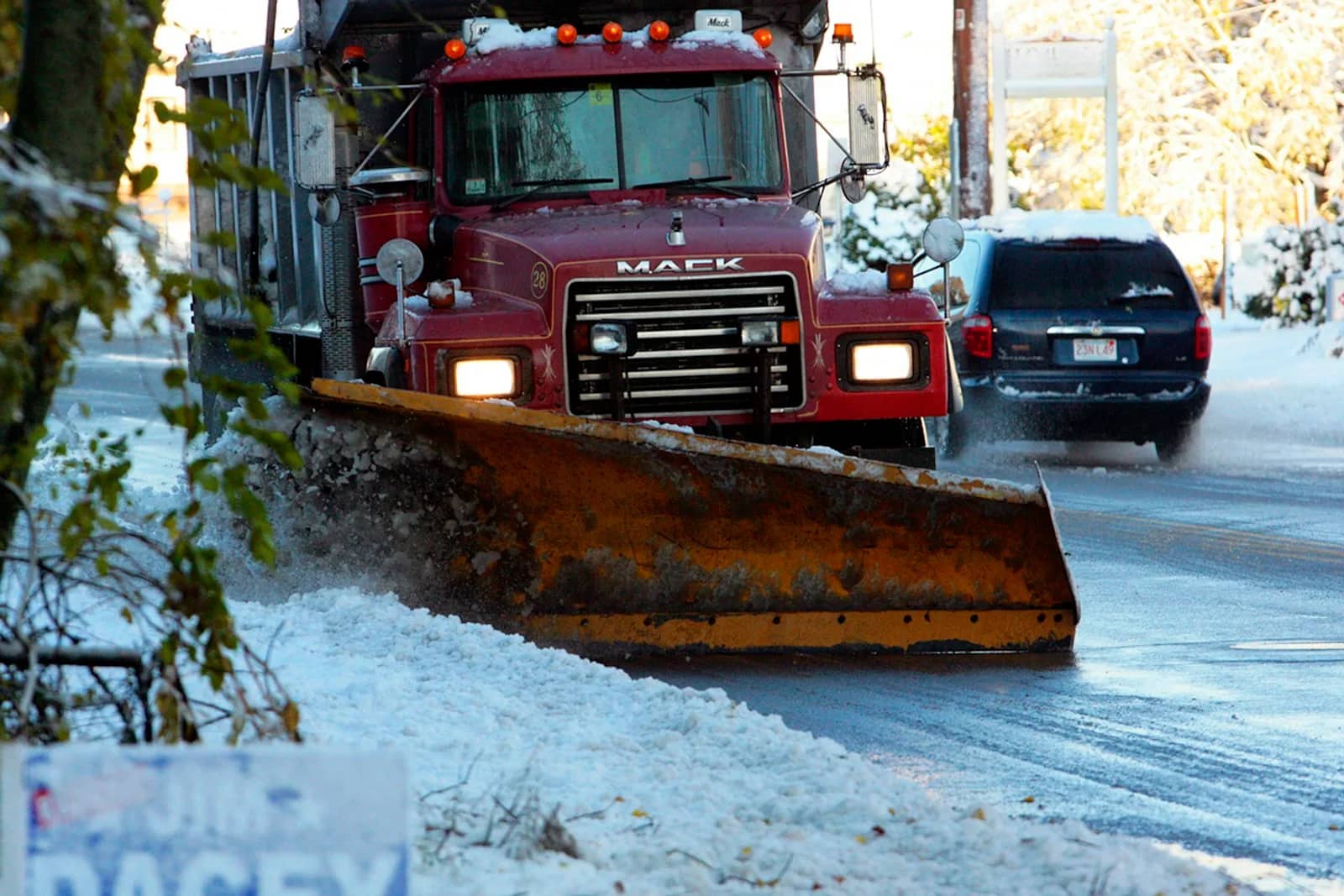
Strata visitor lots and parking aisles
Aisles, stalls, ramps and turning areas ploughed on a route agreed in advance so residents can still get out. Stockpile locations are set at the start of the season, not improvised at five in the morning — a pile in the wrong corner blocks four stalls for a fortnight. Parkade ramps get a membrane-safe product.
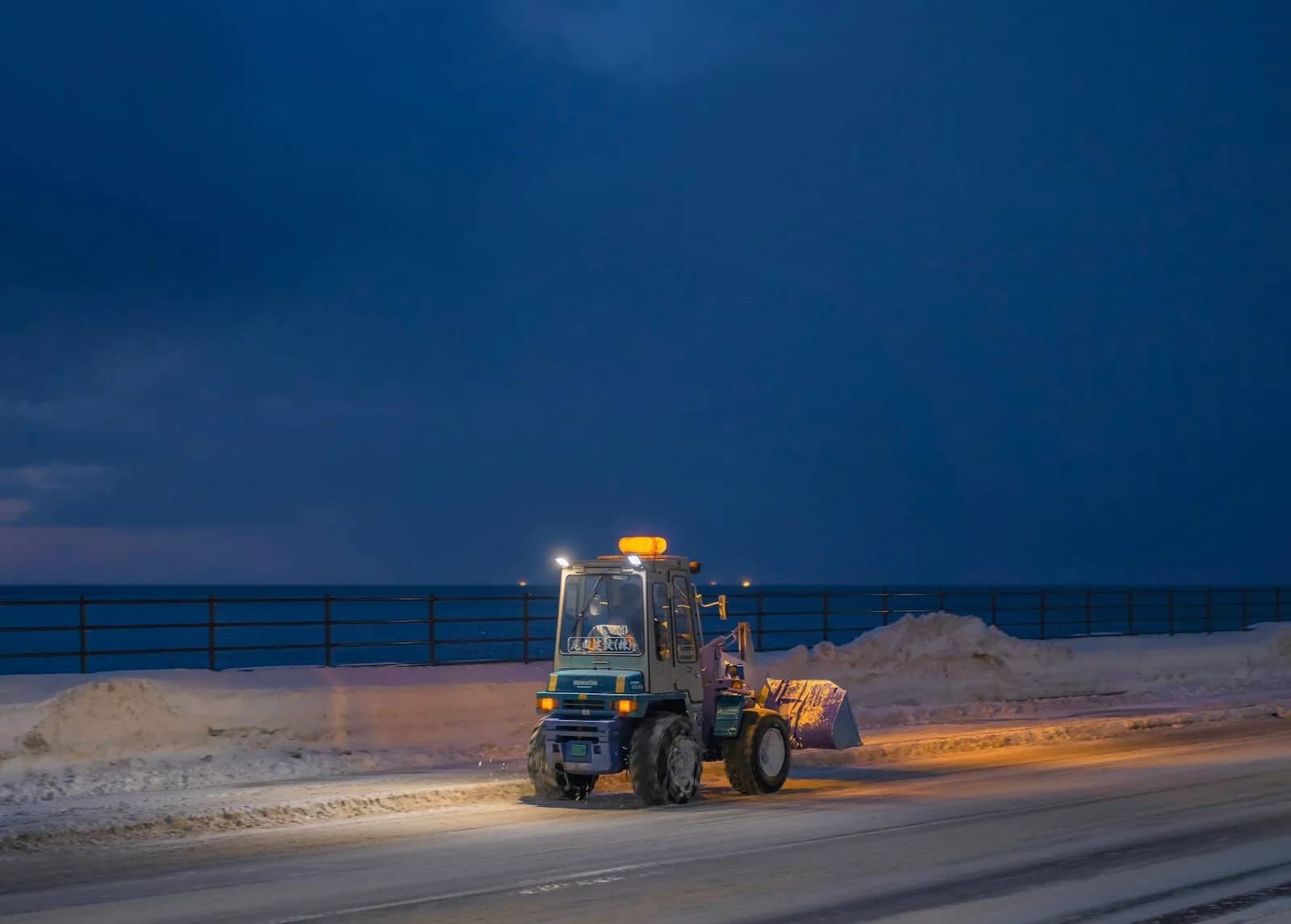
Forecast monitoring and trigger-depth dispatch
You do not have to watch the sky or make the call. We monitor the forecast through the season and dispatch automatically once accumulation reaches the trigger depth in your contract — commonly two centimetres, adjustable for the site. Often before it stops falling.
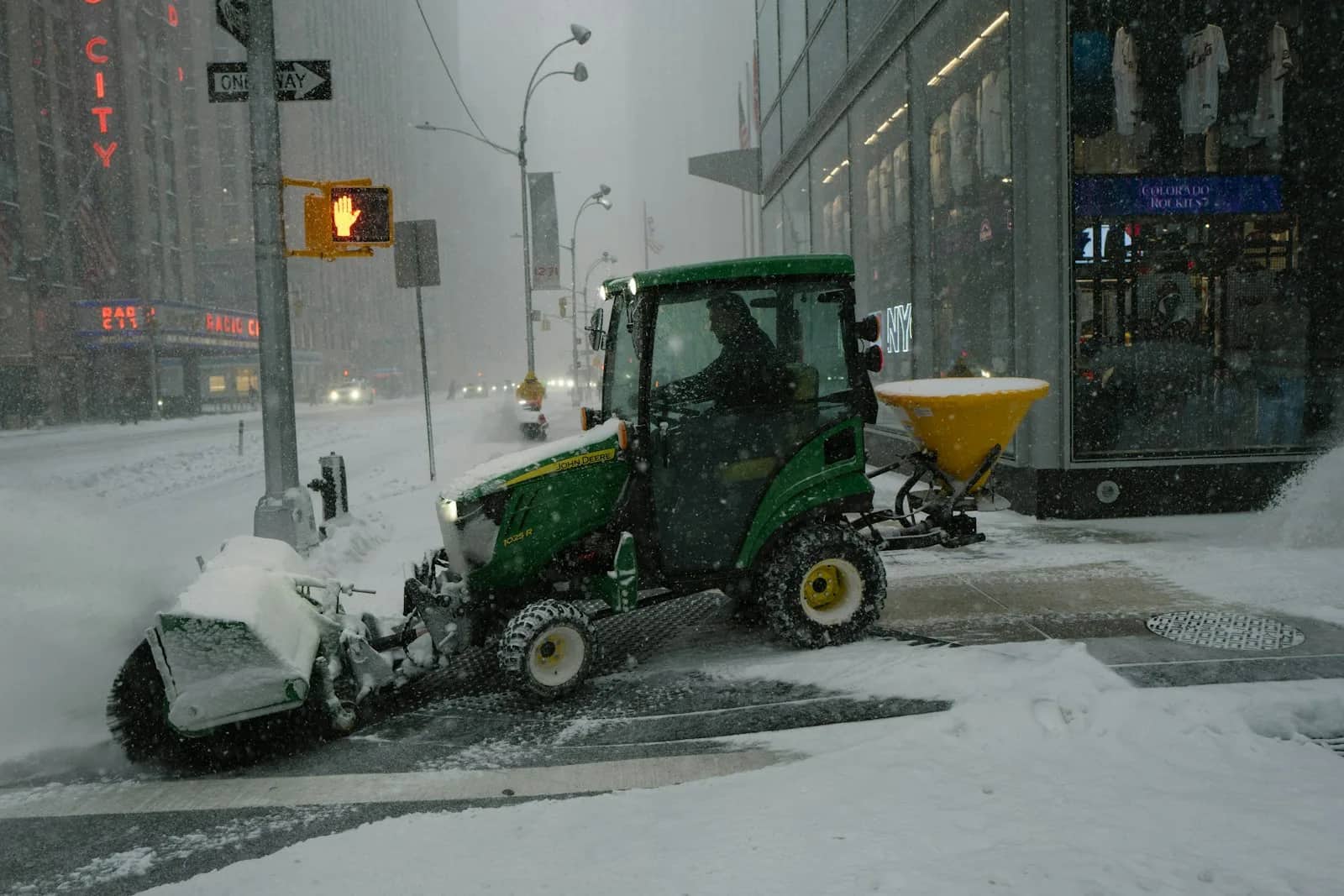
Salting, brining and de-icing
Product matched to the temperature and the surface. A liquid brine laid before an event stops ice bonding and cuts what has to be cleared afterwards; granular salt after clearing; magnesium chloride or a CMA blend on new concrete and parkade membranes. Rates are measured.
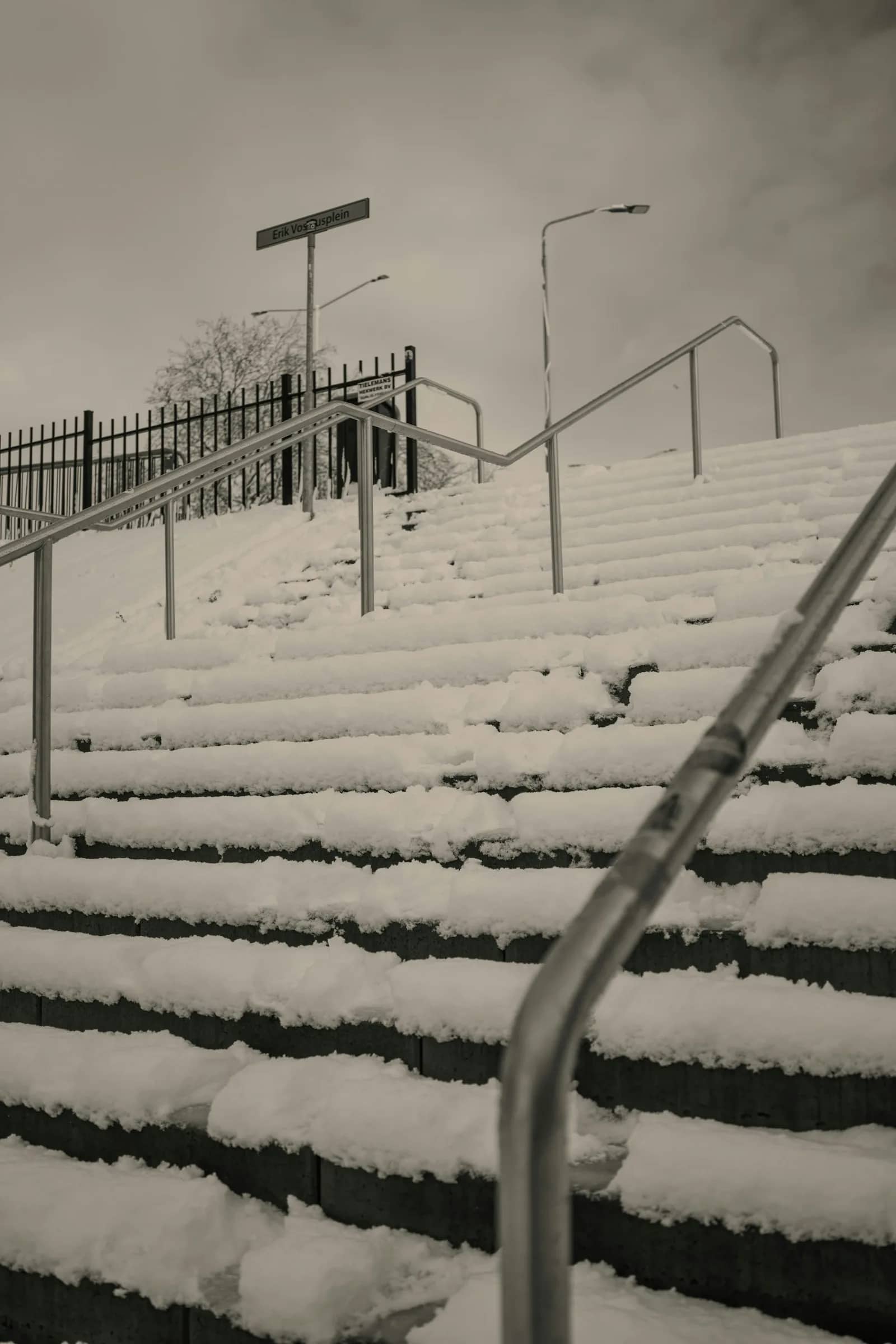
Ice cleared at doors, steps and ramps
The handful of square metres that carry most of a site's liability. Steps, thresholds, ramps, handrail bases and the drip line under a canopy refreeze first and hardest, especially where meltwater runs across them overnight. Compacted ice is chipped and cleared rather than salted over, then treated. It is hand work.
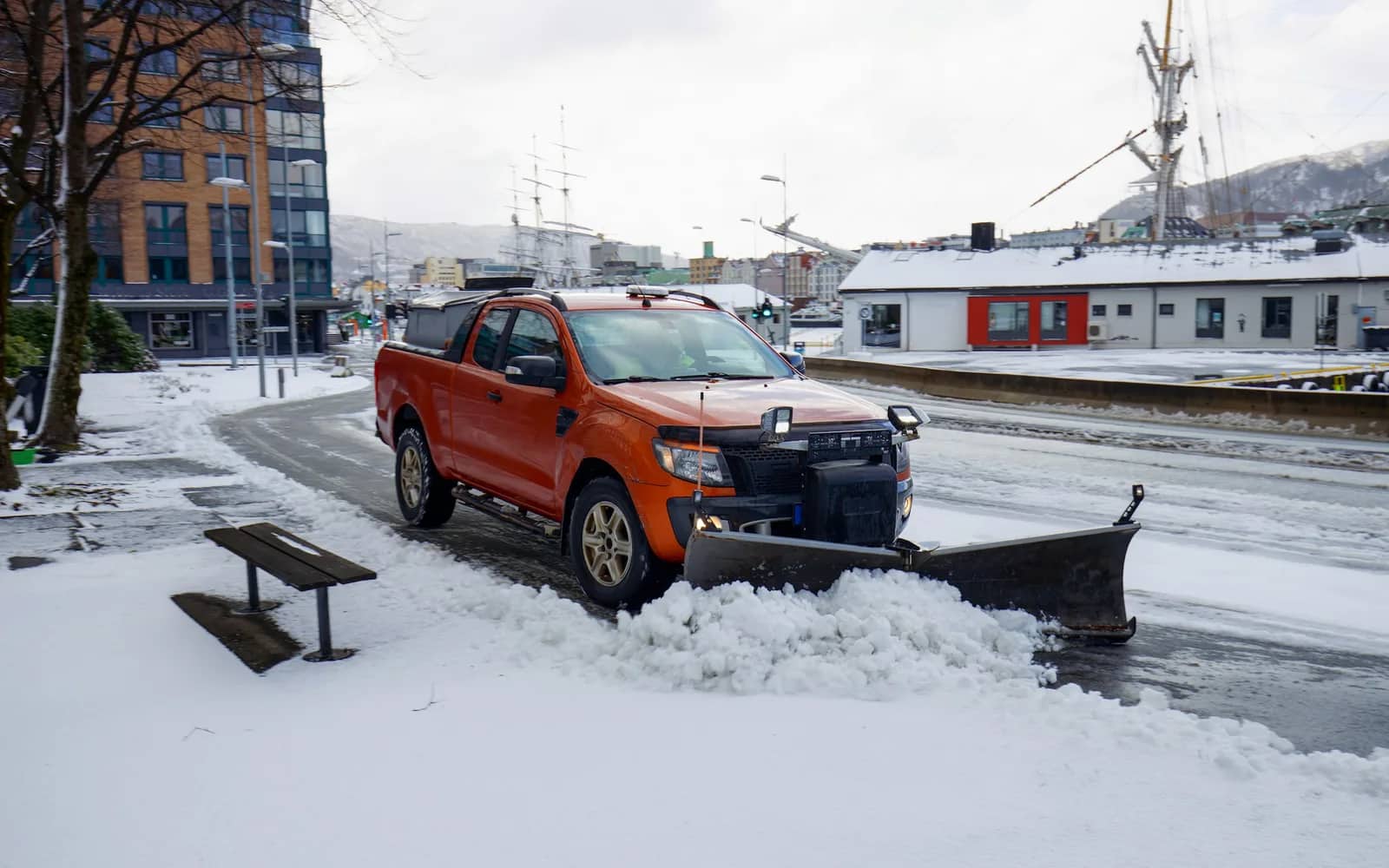
Seasonal contracts or per-event call-outs
A seasonal contract holds capacity for your site from November to March at a fixed price, whatever the winter does — which is what a strata or a landlord needs for a budget and for an insurer. Per-event call-out costs less in a mild year. Either way, the log is yours.
Why Choose RainCity?
Snow service is bought once and judged on about four mornings a year, so the only question that matters is whether the company answers at five in the morning in January. We hold seasonal capacity rather than overselling it, we log every visit with a time and a product, and we carry the liability cover a strata council or a commercial landlord has to see before signing anything at all.
Get a Free QuoteFully licensed and insured, certificates for your council
New Westminster based, dispatching across Greater Vancouver
Private driveways, strata grounds and commercial sites
Free site assessment and a fixed price for the season
Service guaranteed for every event in your contract
What to Expect
What This Work Looks Like
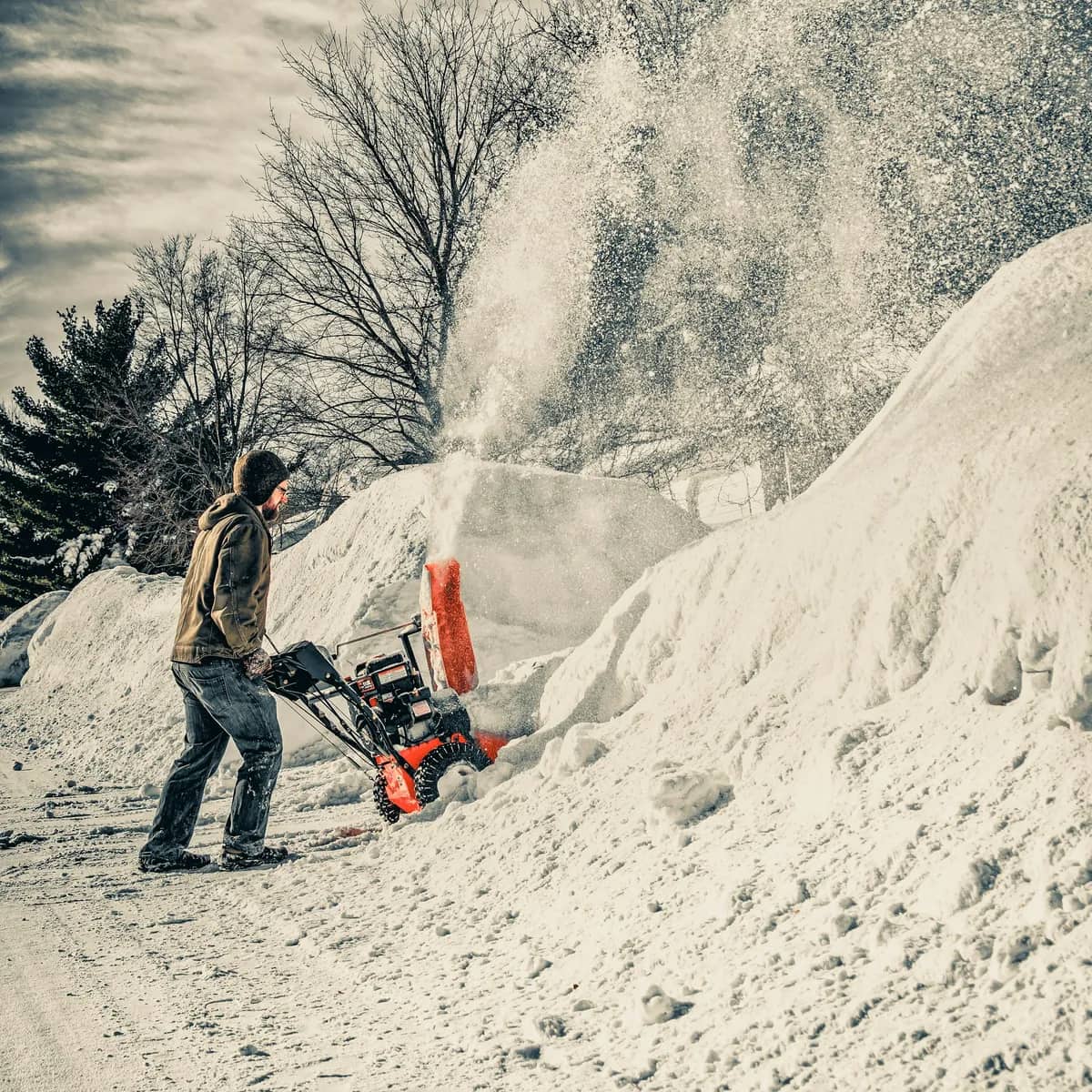
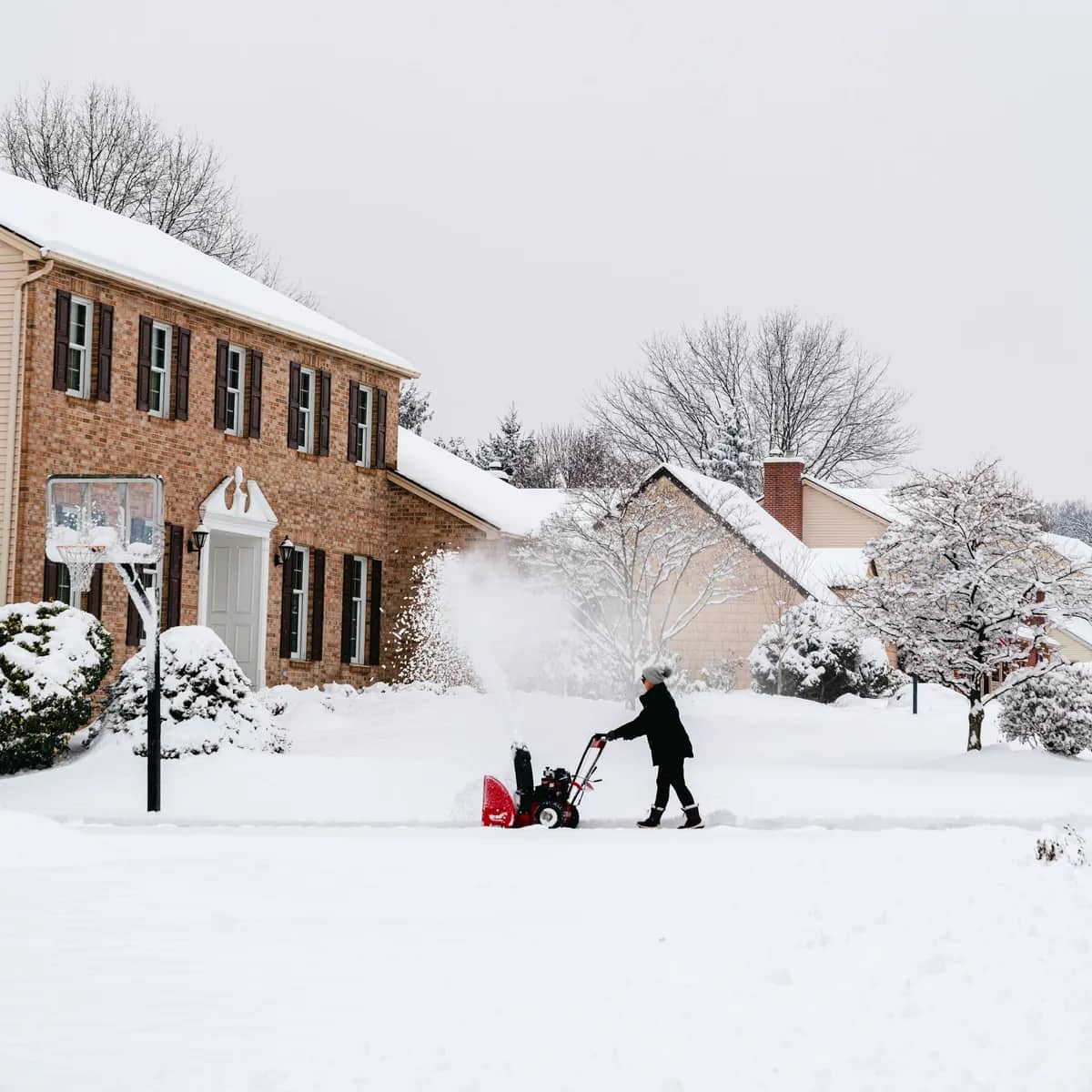
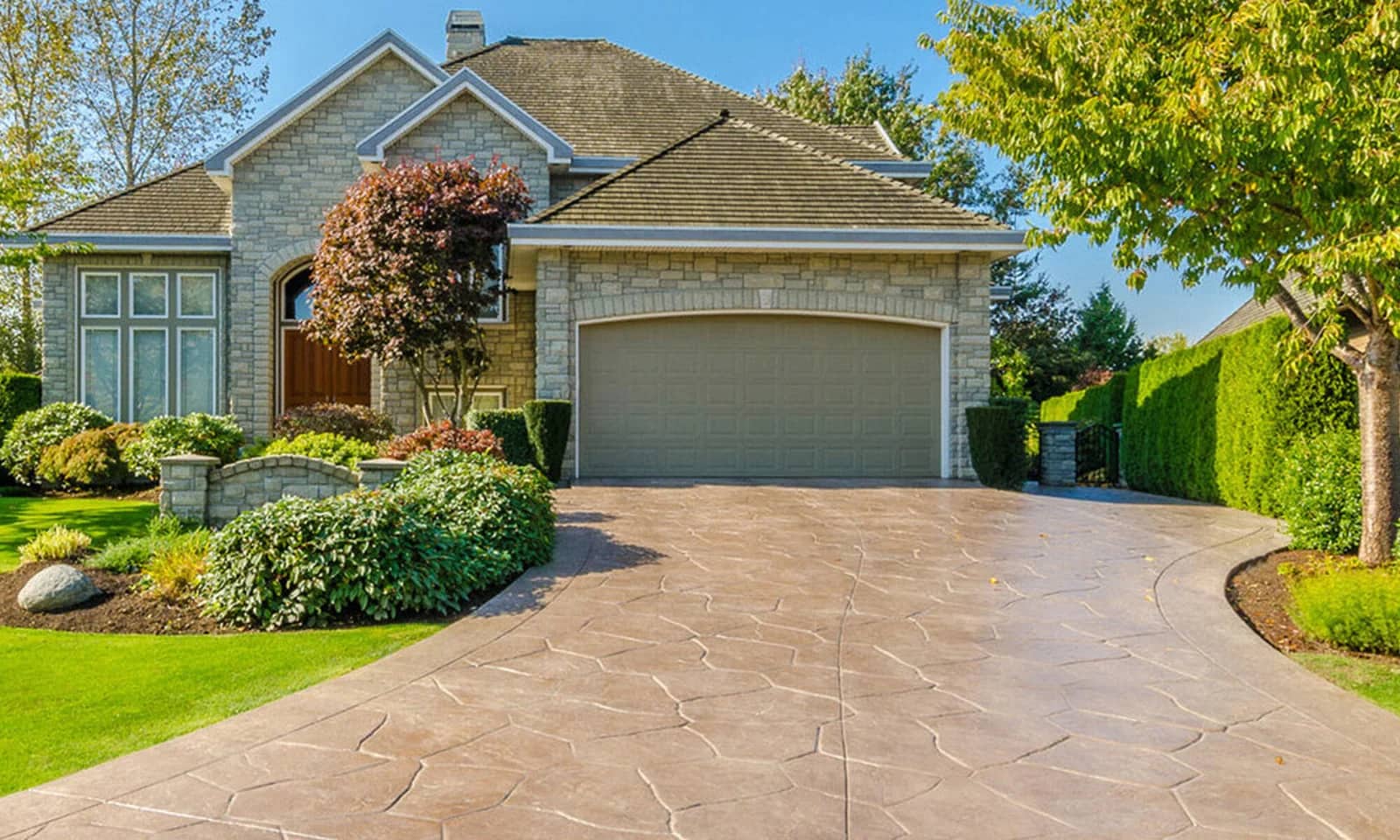
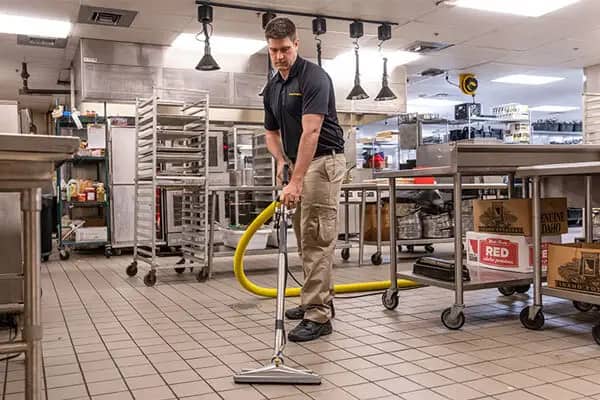
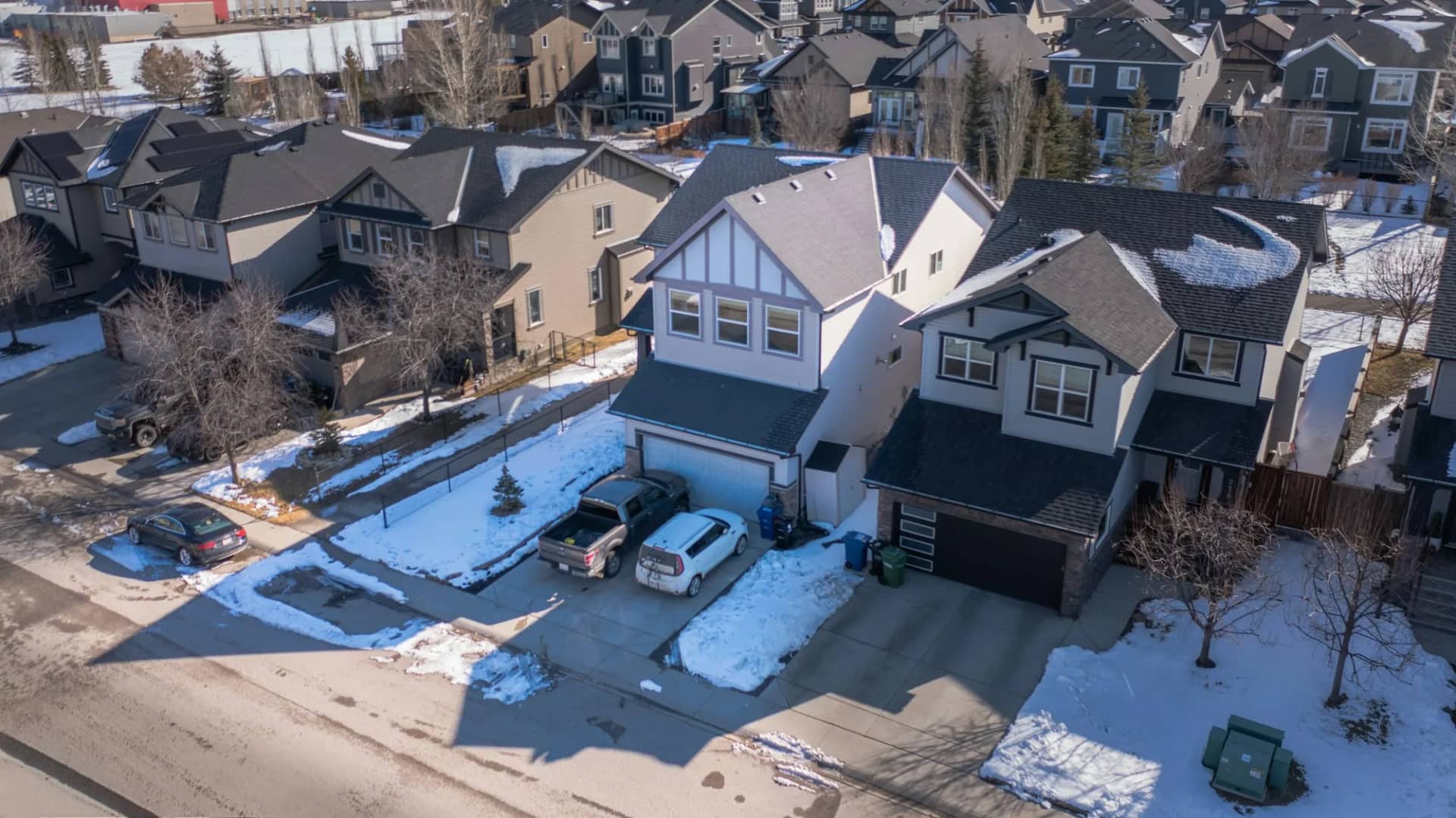
Example photographs of this kind of work, not RainCity jobs. Photos from our own projects on this service are being added.

How It Works
Our Simple Three-Step Process
Request a Free Quote
Call or send the form. We take the details, and price the property in front of us rather than reading off a rate card.
We Schedule & Arrive
We book a slot that suits you and turn up in it, with everything the job needs already on the truck.
Enjoy the Results
We walk the finished work with you before we leave, and put right anything that isn't up to standard.
Where We Work
This Work, Across Greater Vancouver
Everything comes off the truck — water, pressure, detergent and power — so the kit that reaches a strata lot in Surrey is the one that reaches an acreage in Anmore. Pick your community and the page will tell you what the work looks like there.
Anmore
Large treed lots above Port Moody, where the gutters fill with needles long before the leaves start.
Burnaby
Towers, townhouse complexes and single-family streets — a good deal of our strata common-area work sits here.
Delta
Ladner, Tsawwassen and North Delta: flat, open and close to the water, which is hard on painted siding.
Langley
The Township and the City both. Bigger lots, longer driveways, and surfaces that take a full season of weather.
New Westminster
Home. Heritage houses on the hill and a steep grid of streets — we know which ones the truck can park on.
Ridge Meadow
Maple Ridge and Pitt Meadows, out where the rain sits longest and a north-facing roof greens over fastest.
Surrey
The largest area we cover, Cloverdale down to South Surrey, and no shortage of commercial ground to keep sealed.
Tri-Cities
Coquitlam, Port Coquitlam and Port Moody. Hillside subdivisions, and hard surfaces that want the moss off every spring.
Vancouver
Character houses, laneways and mid-rise strata. Access is tight, so the water-fed pole earns its keep.
Often Booked Together
While We Are Already There
These are the jobs that go with this one, and the reason is nearly always the setup: the ladder, the truck or the dried surface is already where it needs to be. Worth knowing before a second visit is booked for something the first one was already set up for.

Request a Free Quote
Tell us what needs doing and we’ll come back with a price. Prefer to talk? +1 604 209 3357.
Based in New Westminster, serving Greater Vancouver.
Common Questions
Questions We Get Asked
The things people actually ask before booking, answered the way we would answer them on the phone. If yours is not here, call — you will get a straight answer from someone who does the work.
Before the season, not during it. Seasonal contracts are set up through September and October, because that is when routes and capacity are allocated and once they are full they are full. Calling on the morning of the first real snowfall means joining a queue behind every contracted site, which in a bad week can mean a wait of a day or more. Booking early is genuinely the whole difference here.
It is the accumulation at which we dispatch to your site without being called. Two centimetres is the common setting; a commercial entrance or a site with accessibility requirements often wants it lower, a quiet residential driveway can sit higher. It is written into the contract, so nobody has to make a judgement call at five in the morning about whether it is enough snow to be worth a visit.
The aim is to have commercial and strata sites done before the first arrivals — generally before seven — and residential driveways cleared through the morning after those. Where snow keeps falling, sites get return visits rather than one pass, because a lot cleared at five and snowed on until nine has not been cleared. Overnight and continuing events are the reason contracts are written by event rather than by visit.
A seasonal contract costs more in a mild winter and much less in a heavy one, and it fixes the number for a budget — which is why strata councils and commercial landlords almost always take it. It also guarantees you a place in the route. Per-event suits a private driveway where an occasional missed morning is an inconvenience rather than a liability. We will tell you honestly which one fits your site.
Not rock salt. Concrete under a year old scales badly under sodium chloride, and salt-laden meltwater running through a parkade deck attacks the reinforcement below it. Those areas get magnesium chloride or a CMA blend instead, which is gentler on concrete and on adjacent planting. Tell us at the site assessment if any area is newly poured, membraned or draining into landscaping, and it gets specified accordingly.
Roof snow load and ice damming are specialist work and are not part of a ground contract. Damage to items hidden under snow — low-voltage lighting, irrigation heads, unmarked kerbs and garden edging — is why we stake site hazards before the season and ask you to point out anything we would not know about. Extraction and trucking of stockpiled snow off a full site is quoted separately when a winter runs long enough to need it.