Concrete and Asphalt SealingIn Greater Vancouver
Driveways, walkways and parking lots sealed against water, road salt and freeze-thaw — the three things that turn a hairline crack into a resurfacing bill.
Our Service
The Damage Starts as a Hairline
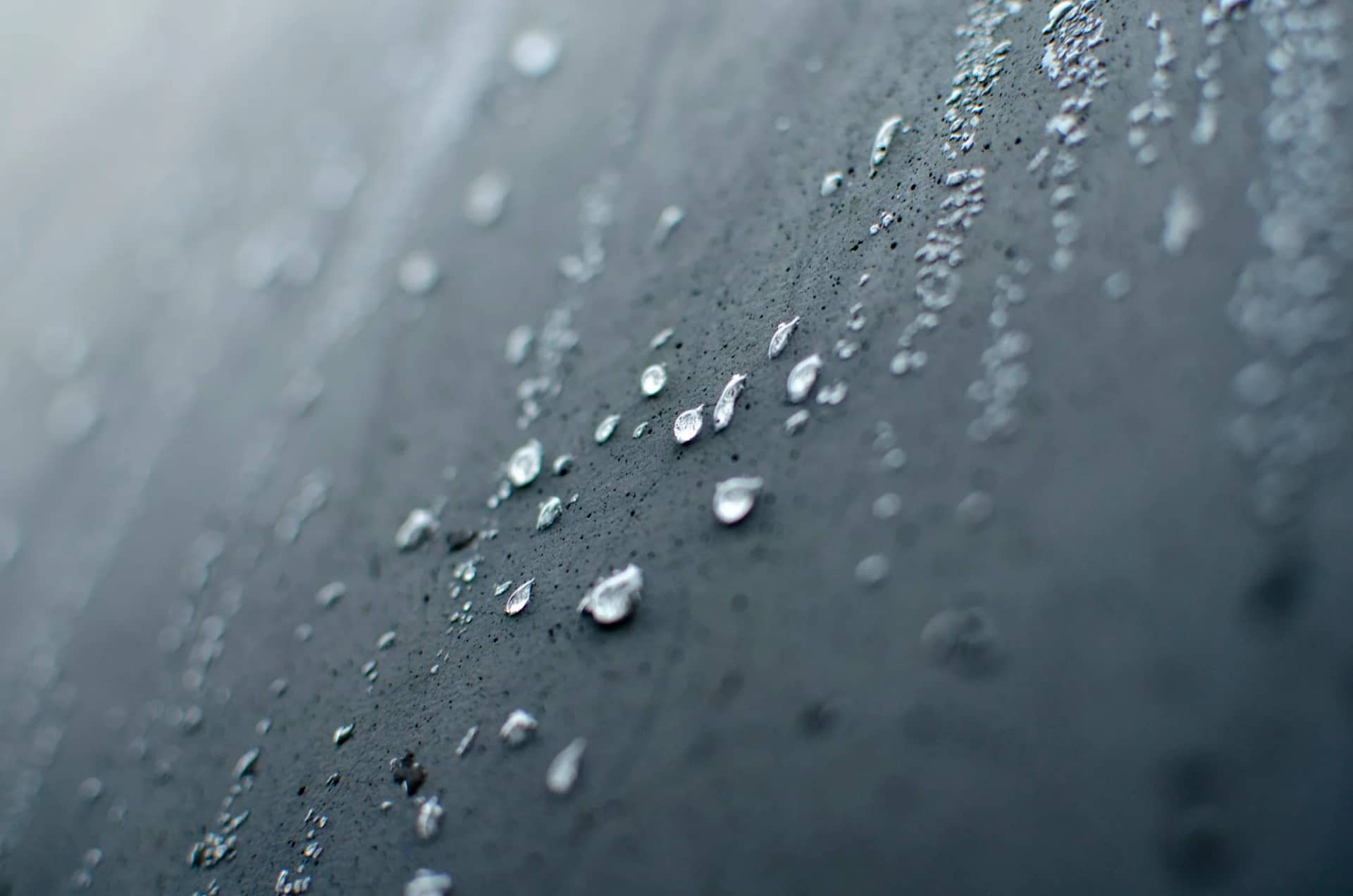
Water gets into the pores and the joints, freezes overnight, expands and levers the surface apart from the inside; road salt and engine oil finish what the frost begins. Most of the work is preparation: wash the surface, degrease the oil spots, rout and fill the cracks — then wait. Sealer over a slab still holding moisture is why these jobs peel inside a year, so we check with a meter.
What's Included
Residential driveways and garage aprons
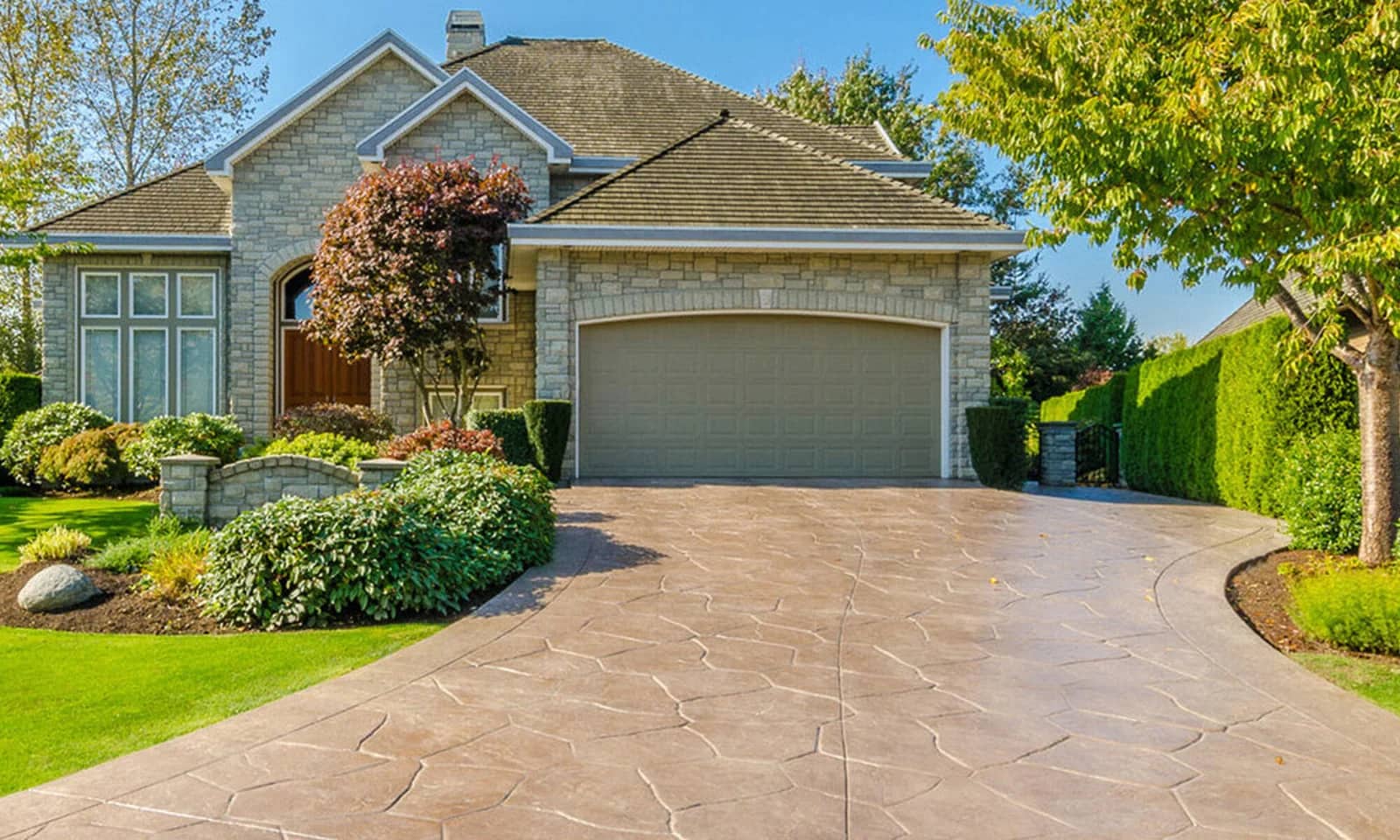
The most exposed slab on a house, and the one that carries the salt off the street every January. The apron and the joint where a driveway meets the garage take the worst of it, because water pools there. Expect to lose the driveway for about a day, which is why these are booked to the forecast, not the calendar.
Parking lots, aisles and loading areas
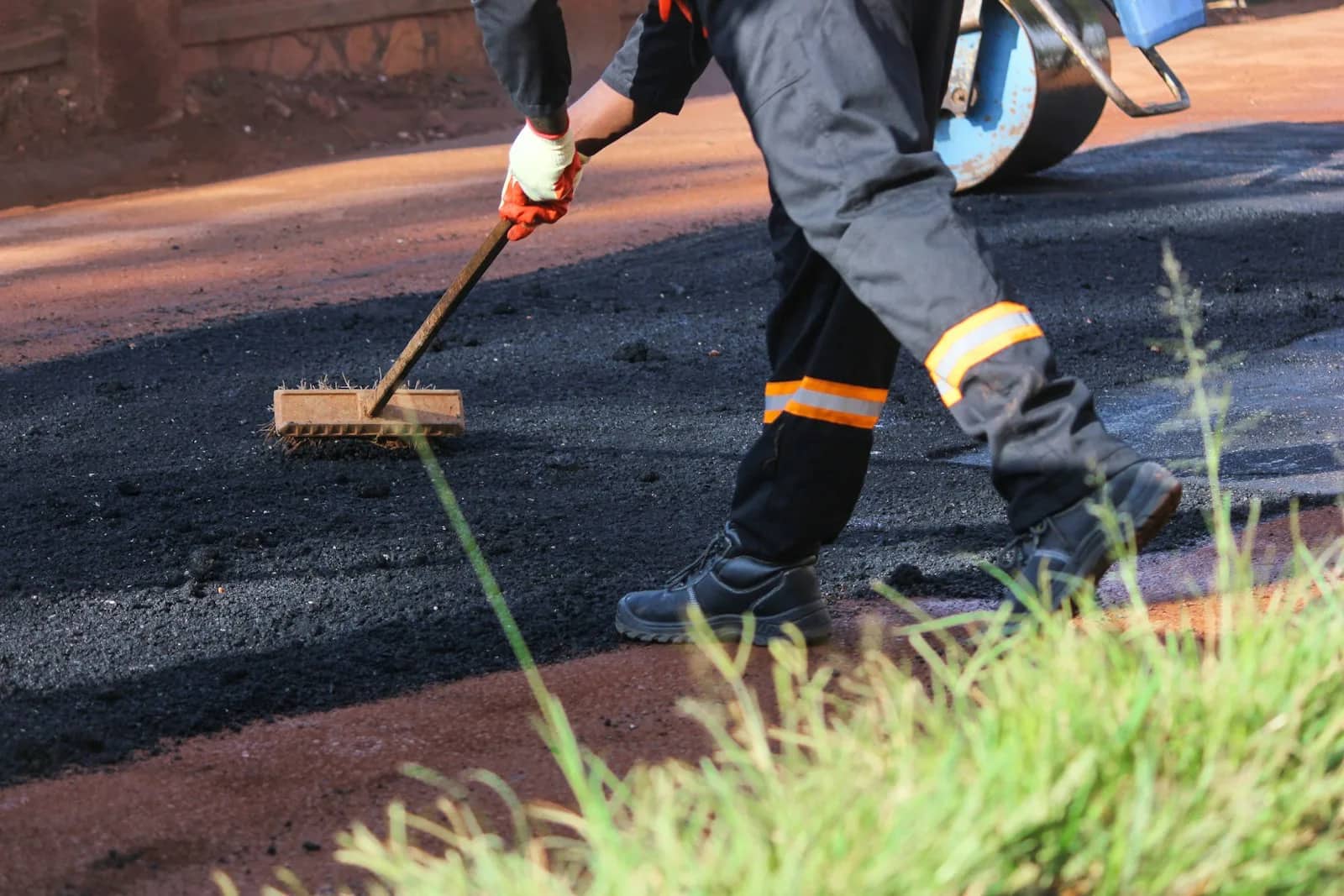
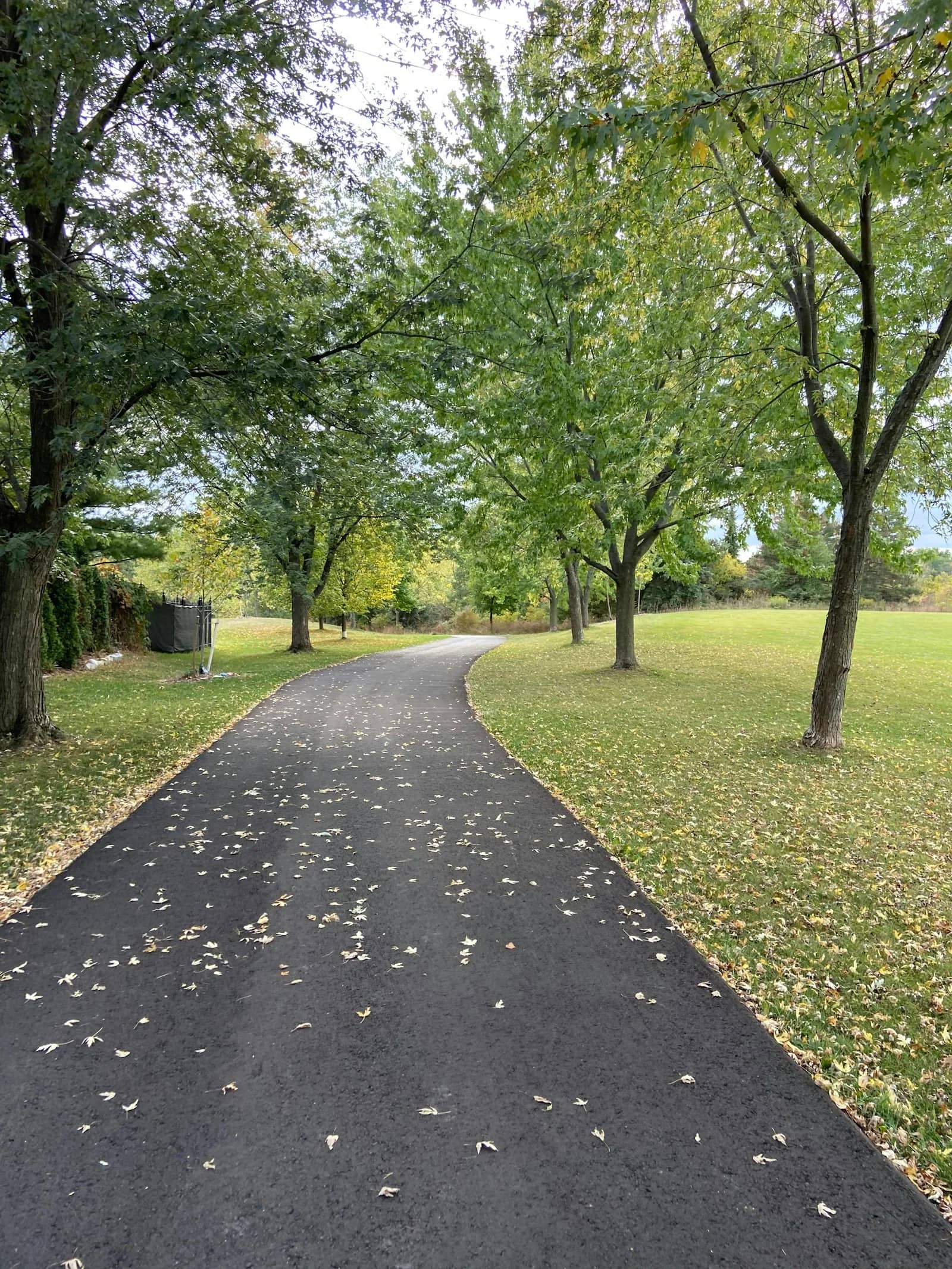
Sealcoating an asphalt lot is the cheapest maintenance a strata or commercial landlord will ever do, and skipping it is among the most expensive. We work in sections so a site keeps partial access, coordinate closures in advance, and re-stripe stalls afterwards. Loading areas get the heavier prep — oil lands there.
Walkways, patios and pool surrounds
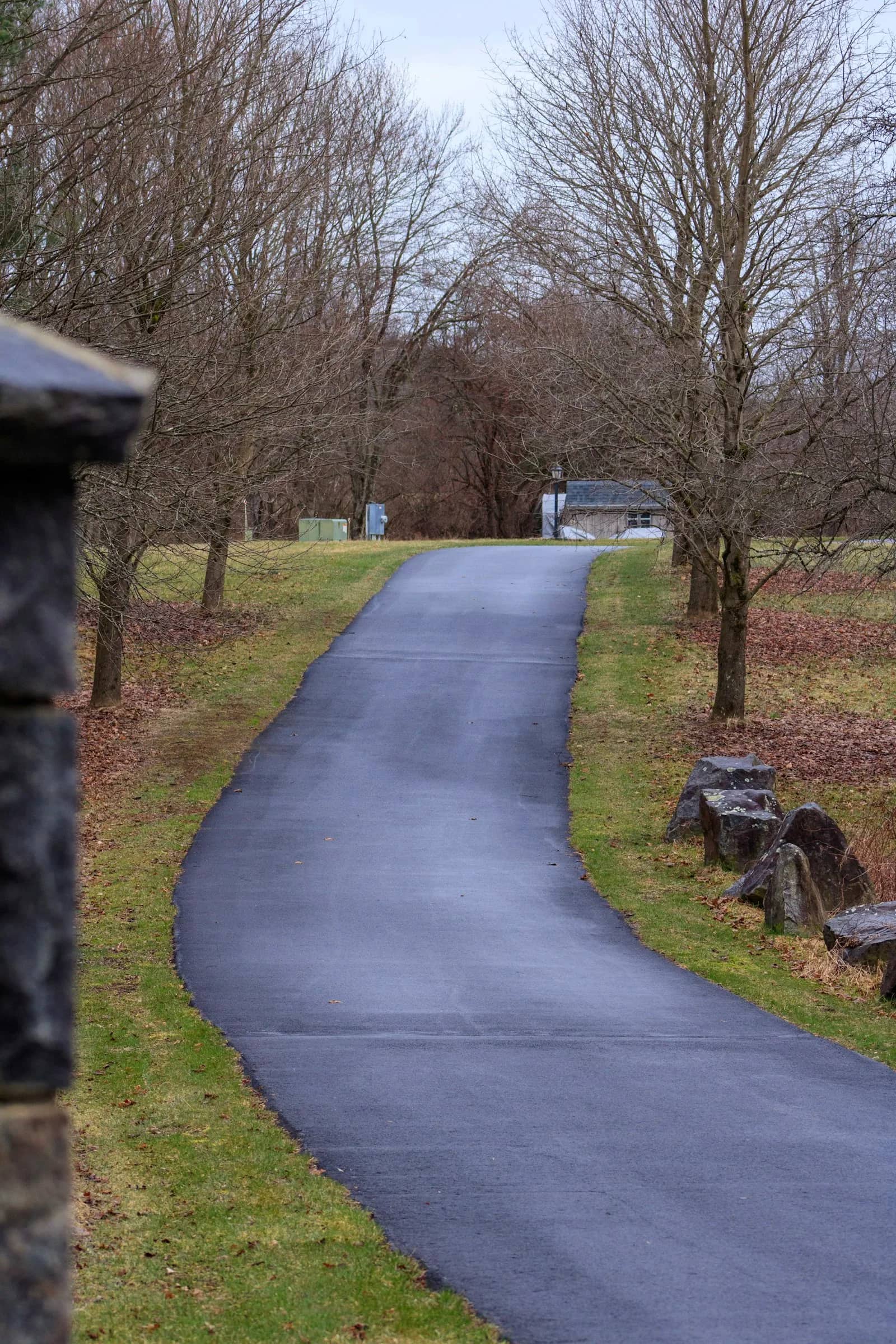
Smaller concrete areas where appearance does as much work as protection. Sealer deepens the colour of exposed aggregate and stamped concrete noticeably, so we show you a test square before committing the area. Around pools and on sloped walks we specify a slip additive rather than a straight gloss.
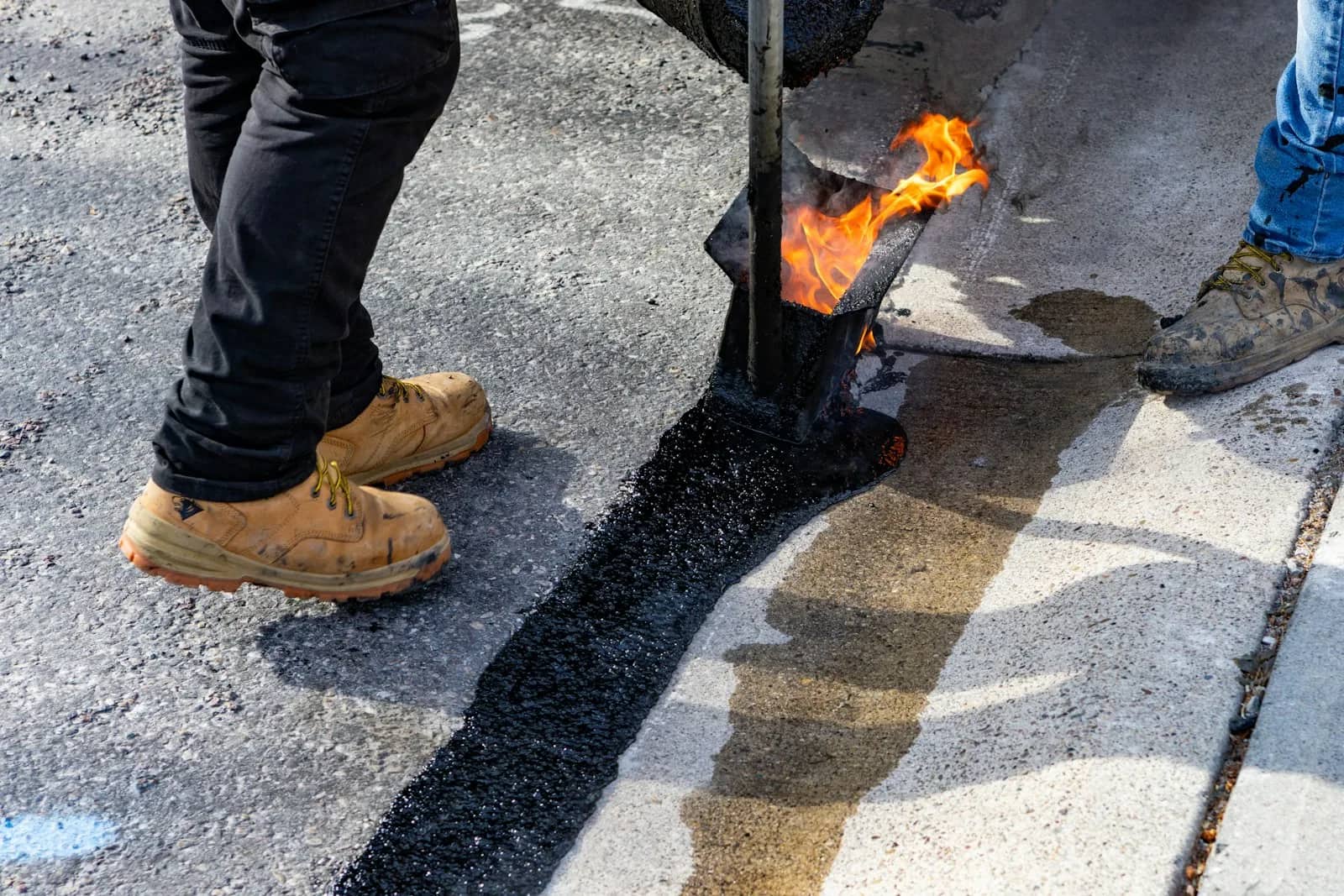
Crack routing and joint filling
A crack painted over reopens through the sealer by spring. Working cracks are routed to a clean reservoir, blown clear and filled — hot-pour rubberised filler on asphalt, flexible urethane in concrete joints — so the filler moves with the slab. Anything wider than an inch is structural, and we say so before quoting.
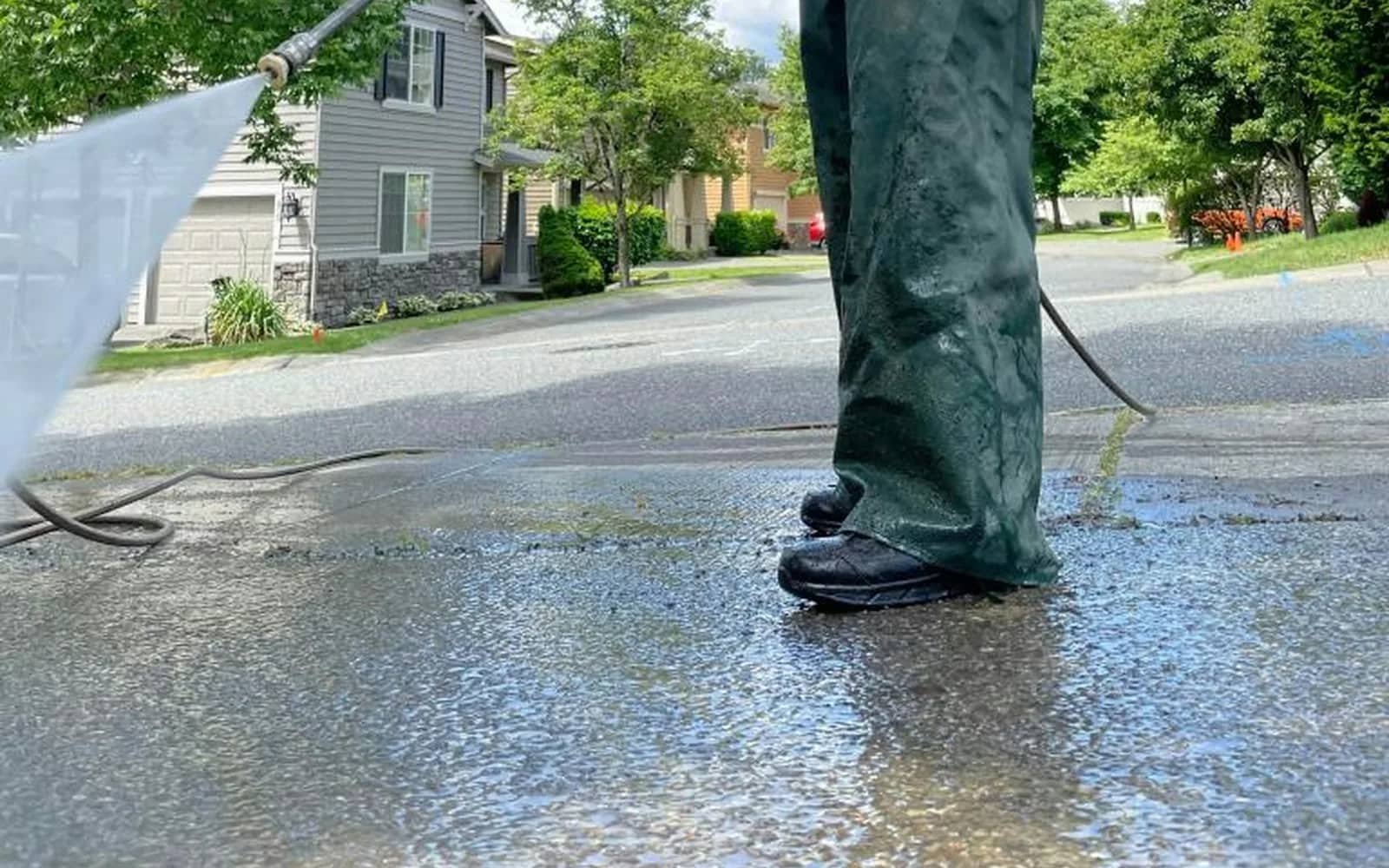
Degreasing and surface preparation
Sealer bonds to the surface, so whatever is on the surface decides whether it holds. Oil and transmission drips are degreased and scrubbed, then spot-primed where the contamination has gone deep; moss and loose material are washed off; joint vegetation is pulled at the root. This is the part that decides year five.
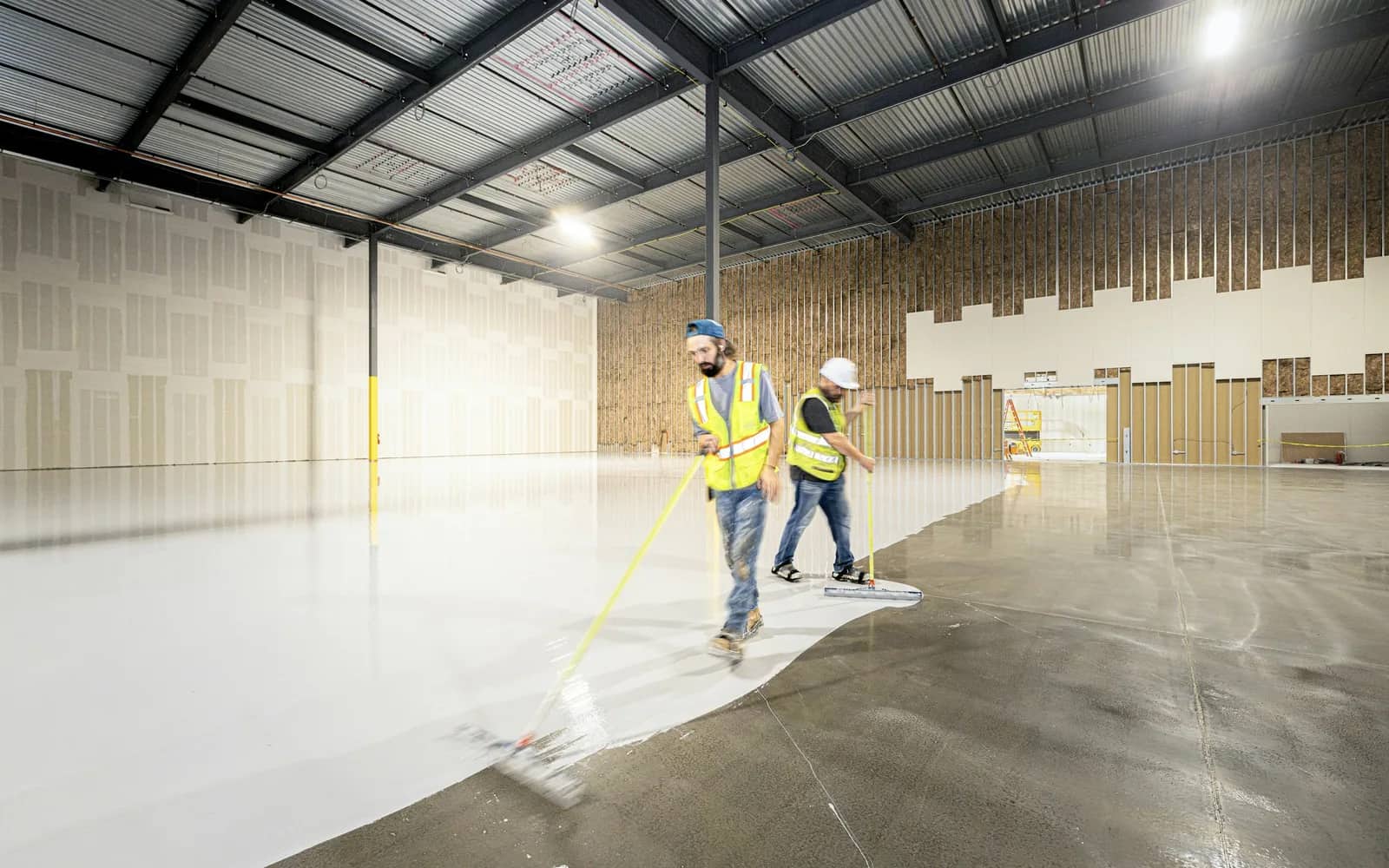
Penetrating and topical sealers
Two products for two aims. A penetrating silane or siloxane soaks in and waterproofs from within, leaving the surface matte — the right answer wherever slip resistance matters. A topical acrylic sits on top and adds sheen, but recoats sooner. The quote names the product.
Why Choose RainCity?
Sealing is one of the few property jobs where the result is invisible for three years and unmistakable in the fifth. That puts all the weight on whether the surface was properly prepared and whether the product used was the product quoted — so we write the sealer, the number of coats and the cure times onto the quote, and you can hold us to all three. Everything else is the standing arrangement we offer on any RainCity job.
Get a Free QuoteFully licensed and carrying full liability cover
Based in New Westminster, working across Greater Vancouver
Private driveways, strata lots and commercial parking
Free site visit and an itemised written quote
Guaranteed workmanship on every surface we seal
What to Expect
What This Work Looks Like
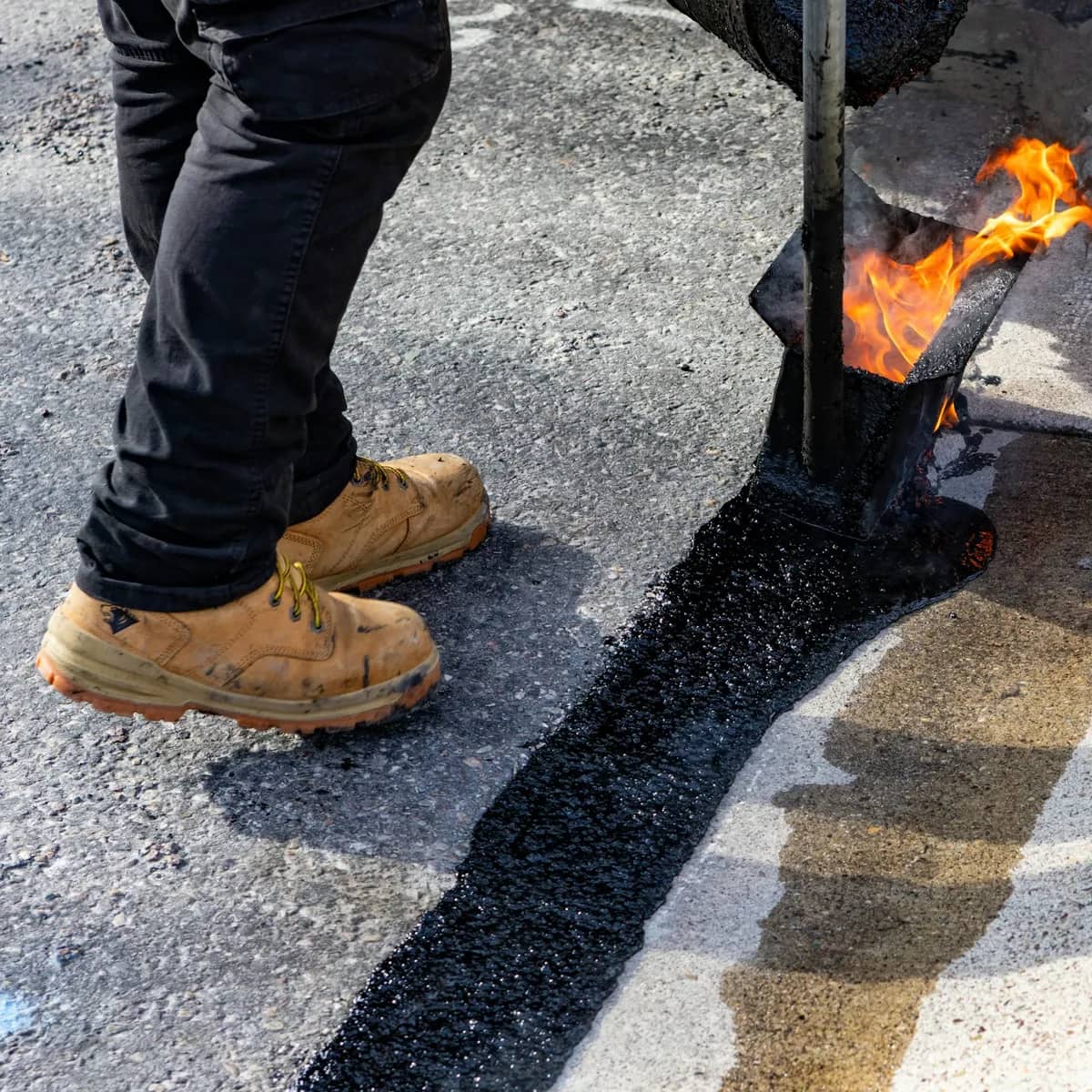
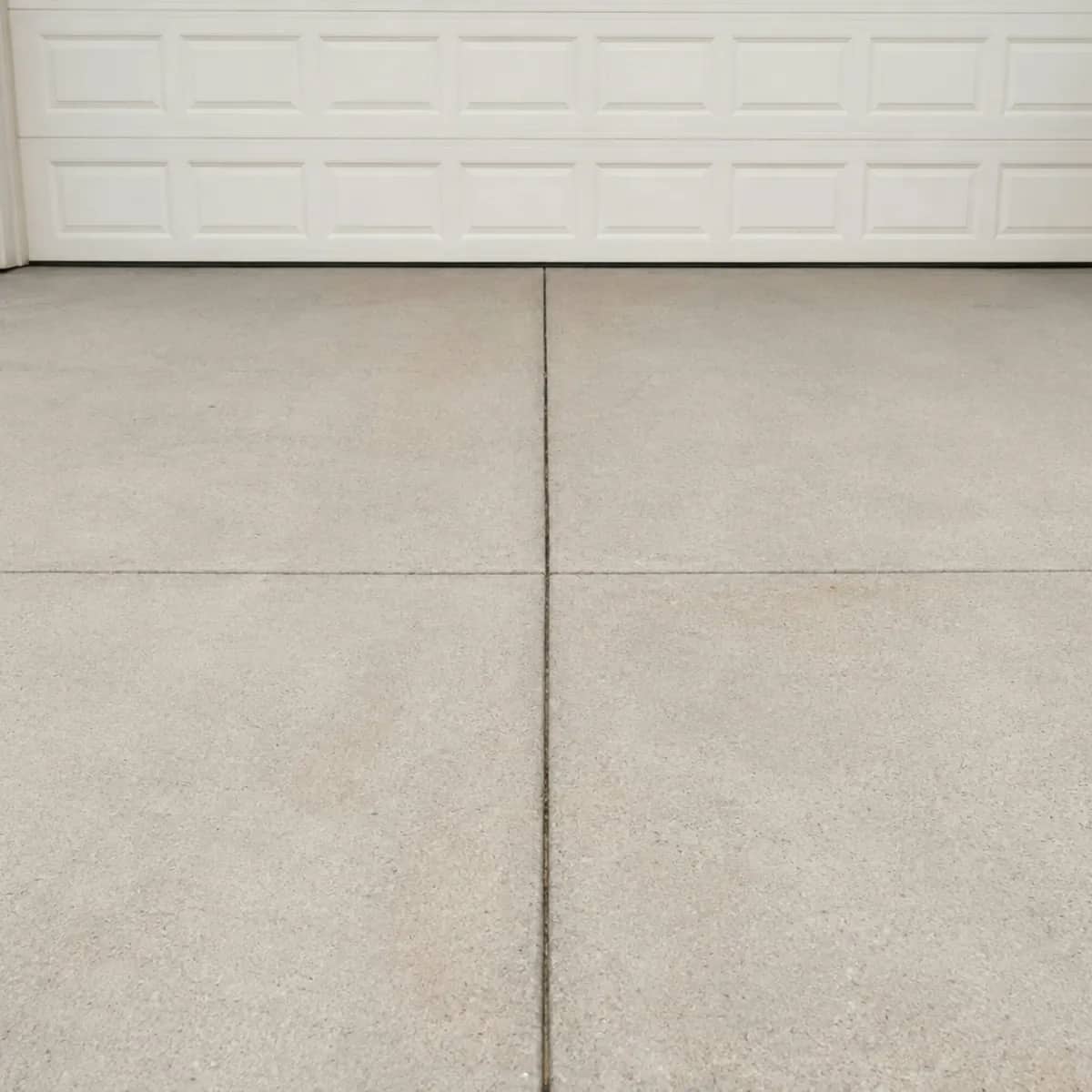
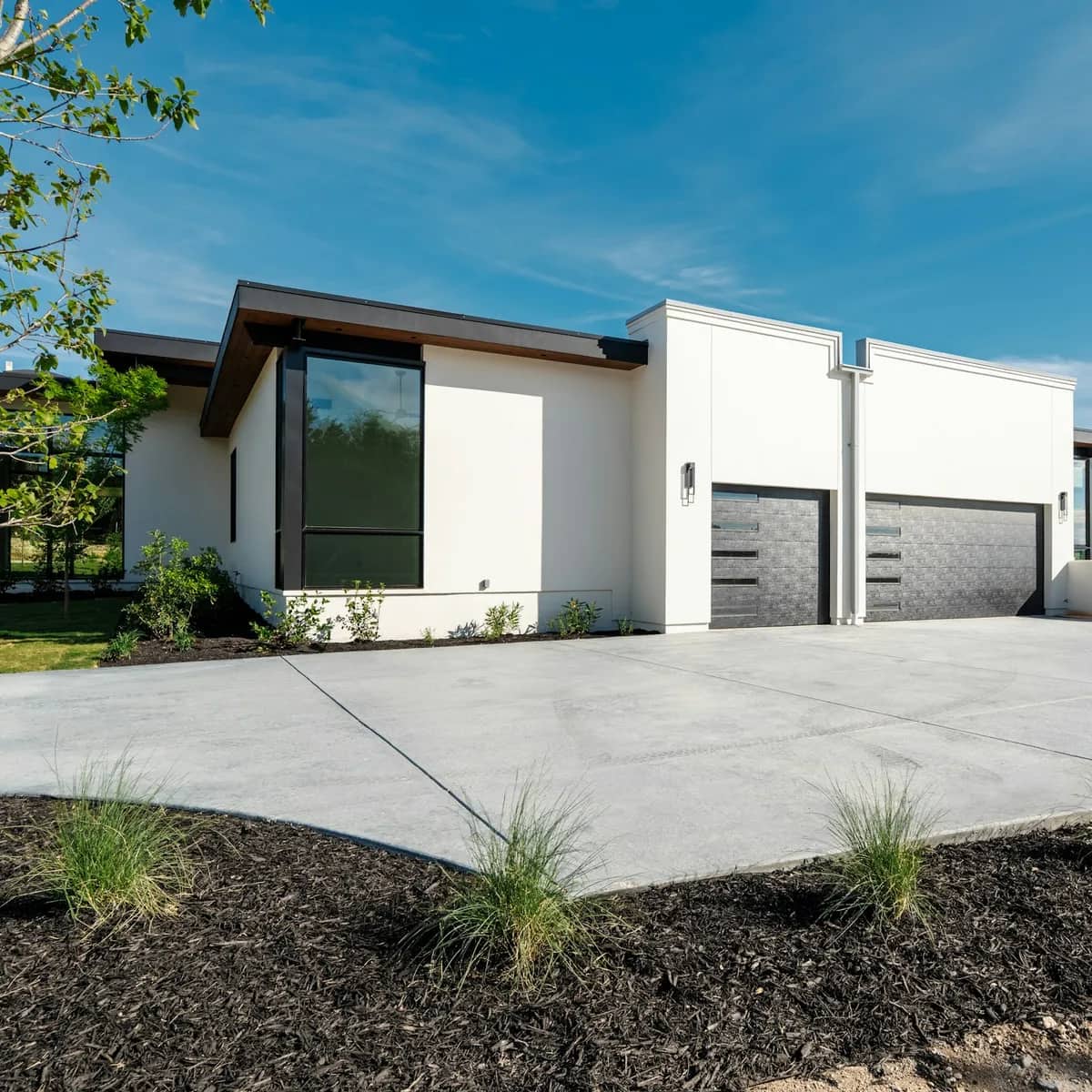
Example photographs of this kind of work, not RainCity jobs. Photos from our own projects on this service are being added.
How It Works
Our Simple Three-Step Process
Request a Free Quote
Call or send the form. We take the details, and price the property in front of us rather than reading off a rate card.
We Schedule & Arrive
We book a slot that suits you and turn up in it, with everything the job needs already on the truck.
Enjoy the Results
We walk the finished work with you before we leave, and put right anything that isn't up to standard.
Where We Work
This Work, Across Greater Vancouver
Everything comes off the truck — water, pressure, detergent and power — so the kit that reaches a strata lot in Surrey is the one that reaches an acreage in Anmore. Pick your community and the page will tell you what the work looks like there.
Anmore
Large treed lots above Port Moody, where the gutters fill with needles long before the leaves start.
Burnaby
Towers, townhouse complexes and single-family streets — a good deal of our strata common-area work sits here.
Delta
Ladner, Tsawwassen and North Delta: flat, open and close to the water, which is hard on painted siding.
Langley
The Township and the City both. Bigger lots, longer driveways, and surfaces that take a full season of weather.
New Westminster
Home. Heritage houses on the hill and a steep grid of streets — we know which ones the truck can park on.
Ridge Meadow
Maple Ridge and Pitt Meadows, out where the rain sits longest and a north-facing roof greens over fastest.
Surrey
The largest area we cover, Cloverdale down to South Surrey, and no shortage of commercial ground to keep sealed.
Tri-Cities
Coquitlam, Port Coquitlam and Port Moody. Hillside subdivisions, and hard surfaces that want the moss off every spring.
Vancouver
Character houses, laneways and mid-rise strata. Access is tight, so the water-fed pole earns its keep.
Often Booked Together
While We Are Already There
These are the jobs that go with this one, and the reason is nearly always the setup: the ladder, the truck or the dried surface is already where it needs to be. Worth knowing before a second visit is booked for something the first one was already set up for.
Request a Free Quote
Tell us what needs doing and we’ll come back with a price. Prefer to talk? +1 604 209 3357.
Based in New Westminster, serving Greater Vancouver.
Common Questions
Questions We Get Asked
The things people actually ask before booking, answered the way we would answer them on the phone. If yours is not here, call — you will get a straight answer from someone who does the work.
Asphalt wants sealcoating every two to three years and concrete every three to five, though both depend more on exposure than on the calendar. A driveway in full sun, on a slope, or catching road salt off a main street will be at the short end; a shaded, level, lightly used one at the long end. The honest test is water: if it soaks in and darkens the surface rather than beading on it, the seal has gone.
Sealing wants a slab that is warm, dry, and going to stay dry: ten degrees or better underfoot, no moisture held in the pores, and a settled stretch afterwards long enough for the product to cure. In Greater Vancouver that realistically means late spring through early autumn. October is usually the last safe month and it depends entirely on the forecast. If you are asking in November, the right answer is to book for spring rather than seal something that will not cure and will have to be redone.
Foot traffic after about four to six hours and vehicles after twenty-four to forty-eight, depending on the product, the temperature and how much sun the surface gets. You get the actual figures for your job in writing before we leave, along with the tape or cones to keep it off. Turning a wheel on a sealer that is still soft leaves a scuff mark that does not come out, so the wait genuinely matters.
Sealer alone covers them and they reopen. That is why crack routing and filling is a separate step done before any sealer goes down: the crack is opened to a clean reservoir and filled with a flexible material that moves with the slab. What sealing cannot do is repair structural failure — heaving, sinking or cracks wider than roughly an inch mean the base underneath has gone, and we will tell you that instead of sealing over it.
A topical acrylic sealer can be, particularly on a slope or around a pool when wet. Where that is a concern we either specify a penetrating sealer, which leaves the surface texture as it was, or add a fine aggregate to the topcoat for grip. It is worth raising at the quote if the area includes steps, a ramp, a pool surround or a walkway that gets used in the rain.
A penetrating sealer soaks into the pores and waterproofs from inside, leaving the appearance essentially unchanged and the grip intact; it lasts longer and is the usual choice for exposed aggregate and walked surfaces. A topical sealer forms a film on top, enriches the colour and adds a sheen, and needs redoing sooner. Neither is better in the abstract — they suit different surfaces, and the quote names which one and why.