
Landscaping & Lawn CareIn Greater Vancouver
Mowing, edging, beds, pruning and seasonal cleanups on a set rhythm — for homes, strata grounds and commercial frontages across Greater Vancouver.
Our Service
Cut High, Cut Often, Cut Sharp
Three things separate a lawn that looks looked after from one that merely gets mown. Height: two and a half to three inches through the summer, because a longer blade shades its own root zone and crowds out most of the weeds. Frequency: no more than a third of the leaf comes off in a visit. And a sharp blade — a dull one tears rather than cuts, and the torn tips brown off within a day.
What's Included
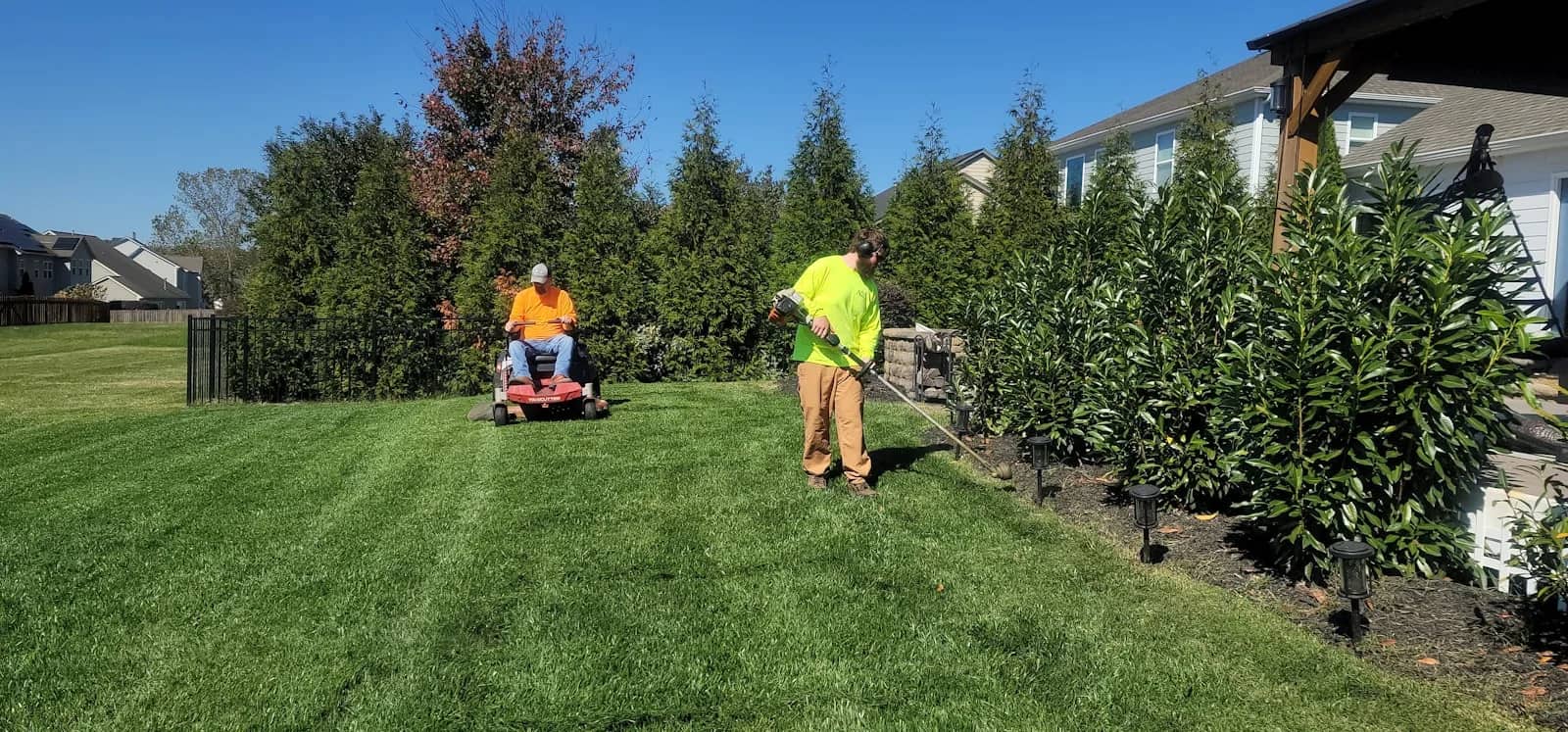
Mowing, edging and line trimming
Cut at the right height for the season on sharpened blades, with the direction alternated each visit. Hard edges along paths and driveways are cut back so the line stays where it was laid, bed edges are trimmed to the spade line, and trimming around posts and trunks is done without ring-barking anything.

Bed weeding, edging and mulching
Beds are weeded by hand at the root rather than hoed off at the top, which is what stops the same weeds returning three weeks later. Edges are cut in with a spade to give the clean line that does most of the visual work on a property. Mulch is topped up at depth and kept clear of stems so nothing rots at the collar.
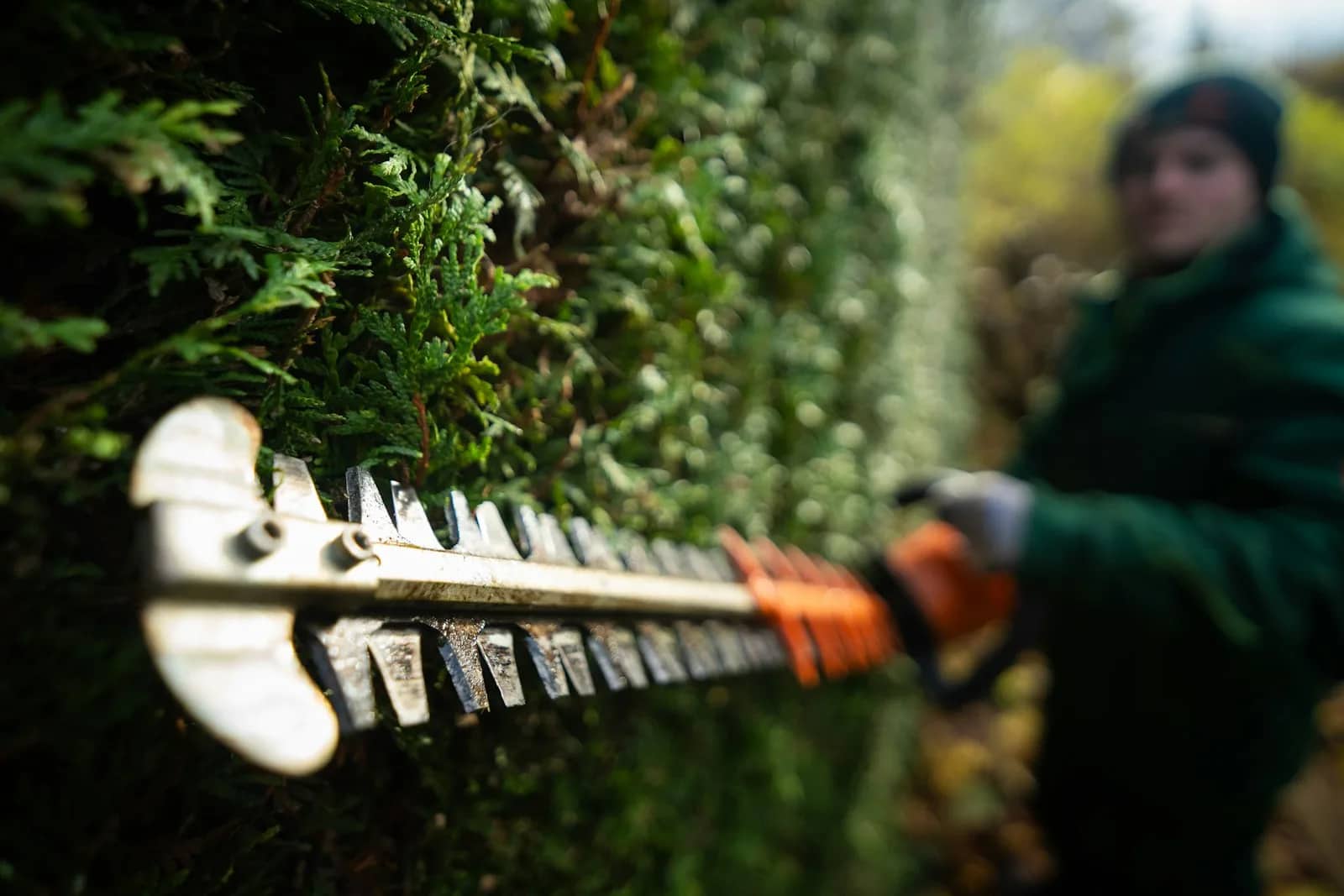
Hedge and shrub pruning
Timed to the plant rather than the calendar. Spring-flowering shrubs are pruned after they flower, because cutting them in early spring removes the buds you were waiting for; hedges are trimmed with the face slightly battered so light reaches the base. Arisings are cleared as we go rather than left on the beds.

Spring and fall cleanups
The two visits that reset a property. In spring: winter debris cleared, perennials cut back, beds weeded and re-edged, mulch topped up, the first proper cut and a moss assessment. In autumn: leaves off, growth cut back, beds put to bed. Both are quoted separately.

Leaf clearing and green-waste removal
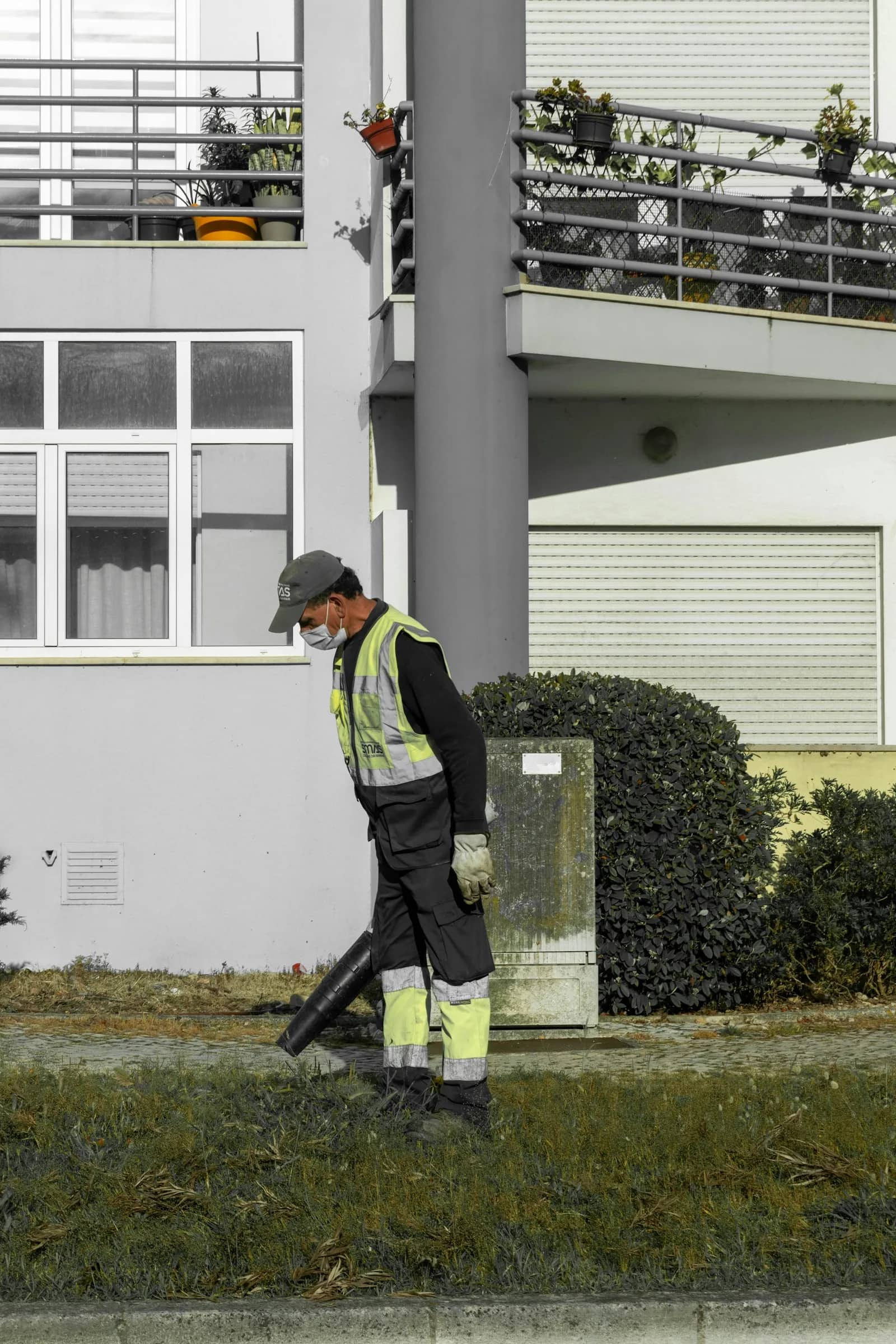
Leaf fall here runs for two months, and a lawn left under a wet mat of them comes back thin and diseased in spring. Leaves are cleared off lawns, beds, paths and driveways while they are still dry enough to move rather than after they have plastered down. Everything goes on the truck and off the property.
Weekly, biweekly or monthly schedules
Weekly through the growing season is what a lawn wants here, dropping to fortnightly as growth slows in late summer, then monthly through the winter for tidying and leaf work. Strata and commercial grounds are contracted for the year with the frequency stepping by season. Same crew, same day of the week.
Why Choose RainCity?
Grounds maintenance is a relationship rather than a transaction — the same crew, on your property, most weeks of the year. Ours are licensed and insured, they turn up on the day the schedule says they will, and the price is set for the season so no invoice arrives that you were not expecting. Strata councils and property managers get the documentation they need the first time they ask for it rather than the third.
Get a Free QuoteFully licensed and insured for grounds work
A New Westminster crew covering the whole region
Private gardens, strata grounds and commercial frontages
Free walk-round and a written price for the season
Unhappy with a visit? We return before the next one
What to Expect
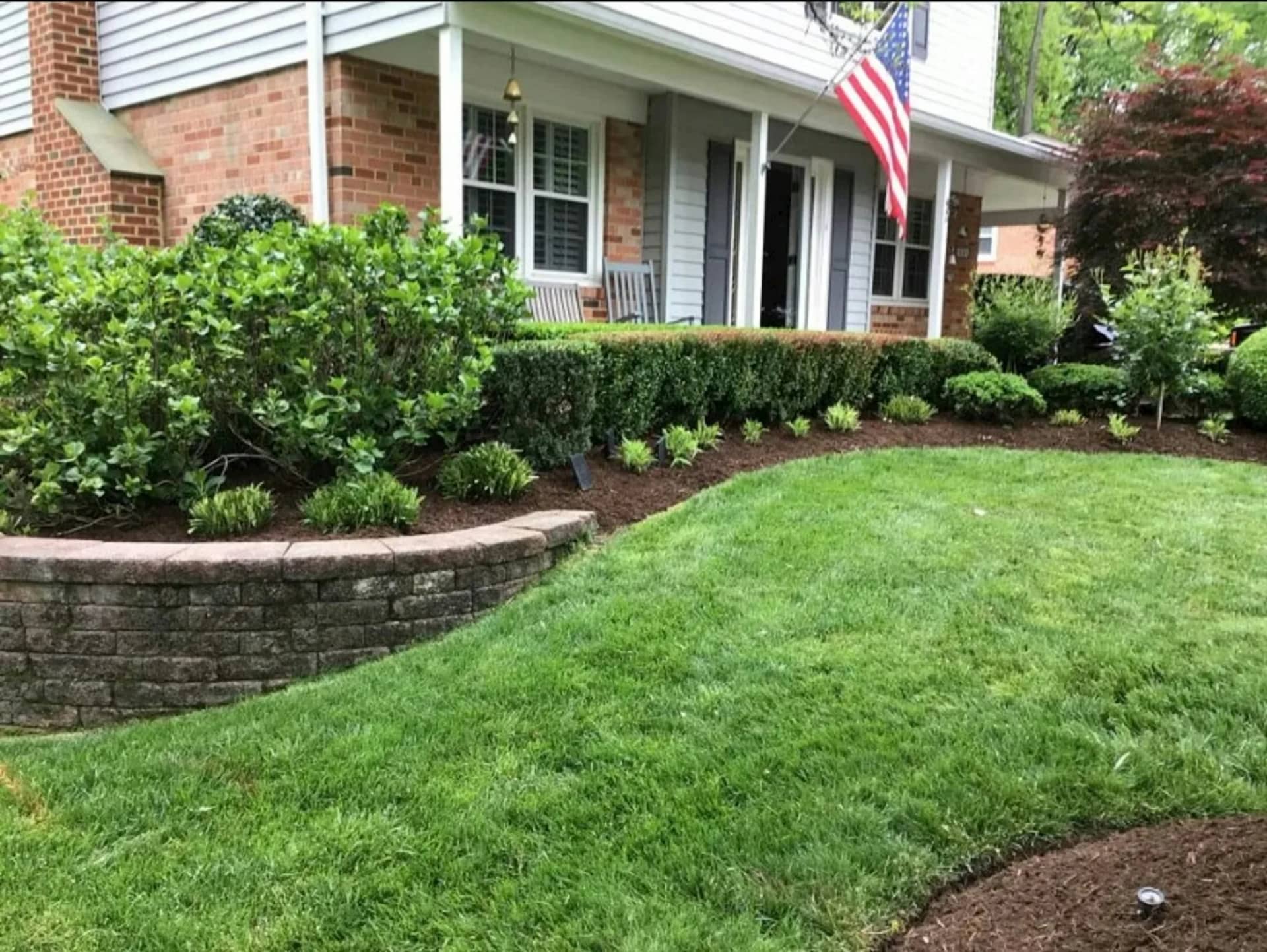
What This Work Looks Like
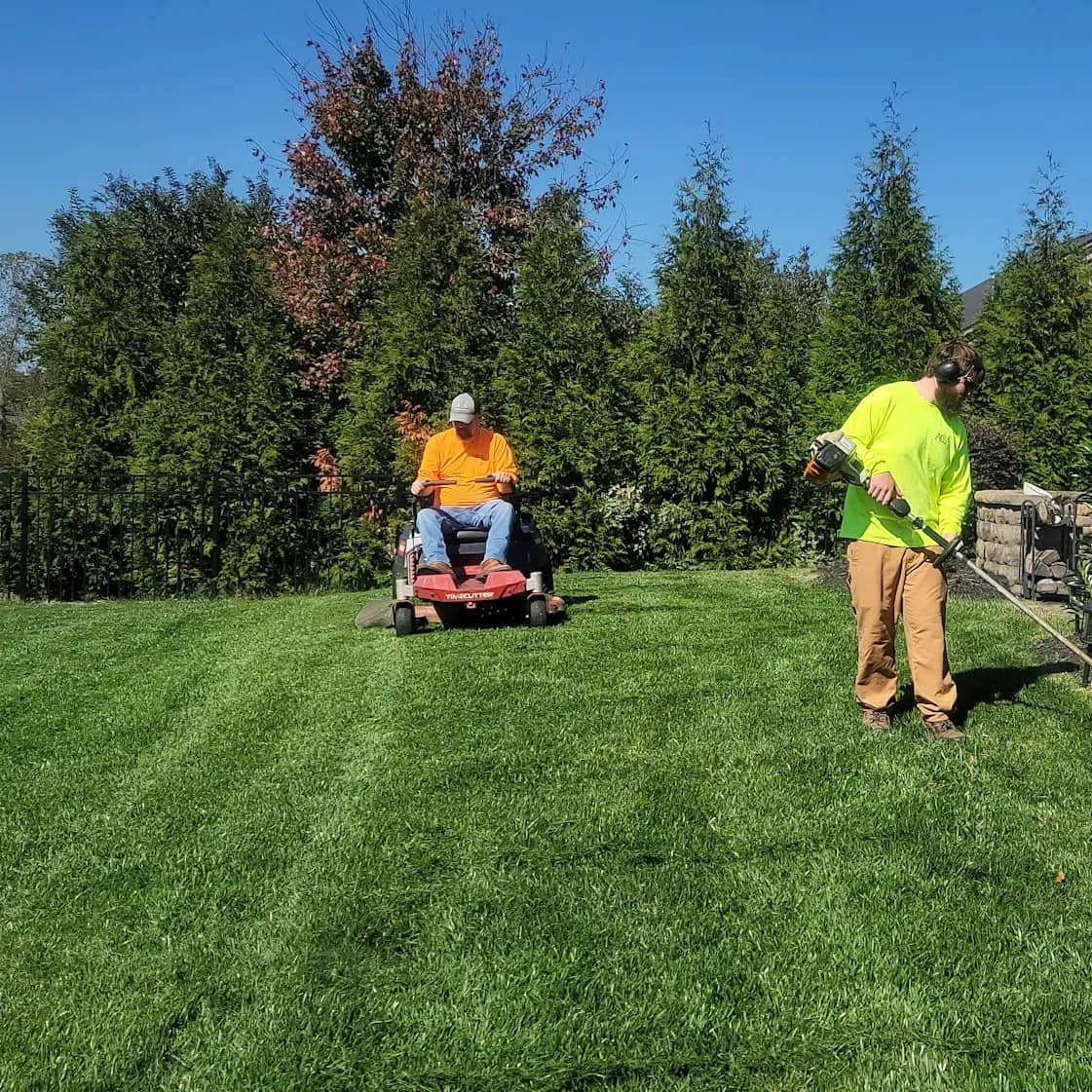
Example photographs of this kind of work, not RainCity jobs. Photos from our own projects on this service are being added.


How It Works
Our Simple Three-Step Process
Request a Free Quote
Call or send the form. We take the details, and price the property in front of us rather than reading off a rate card.
We Schedule & Arrive
We book a slot that suits you and turn up in it, with everything the job needs already on the truck.
Enjoy the Results
We walk the finished work with you before we leave, and put right anything that isn't up to standard.
Where We Work
This Work, Across Greater Vancouver
Everything comes off the truck — water, pressure, detergent and power — so the kit that reaches a strata lot in Surrey is the one that reaches an acreage in Anmore. Pick your community and the page will tell you what the work looks like there.
Anmore
Large treed lots above Port Moody, where the gutters fill with needles long before the leaves start.
Burnaby
Towers, townhouse complexes and single-family streets — a good deal of our strata common-area work sits here.
Delta
Ladner, Tsawwassen and North Delta: flat, open and close to the water, which is hard on painted siding.
Langley
The Township and the City both. Bigger lots, longer driveways, and surfaces that take a full season of weather.
New Westminster
Home. Heritage houses on the hill and a steep grid of streets — we know which ones the truck can park on.
Ridge Meadow
Maple Ridge and Pitt Meadows, out where the rain sits longest and a north-facing roof greens over fastest.
Surrey
The largest area we cover, Cloverdale down to South Surrey, and no shortage of commercial ground to keep sealed.
Tri-Cities
Coquitlam, Port Coquitlam and Port Moody. Hillside subdivisions, and hard surfaces that want the moss off every spring.
Vancouver
Character houses, laneways and mid-rise strata. Access is tight, so the water-fed pole earns its keep.
Often Booked Together
While We Are Already There
These are the jobs that go with this one, and the reason is nearly always the setup: the ladder, the truck or the dried surface is already where it needs to be. Worth knowing before a second visit is booked for something the first one was already set up for.



Request a Free Quote
Tell us what needs doing and we’ll come back with a price. Prefer to talk? +1 604 209 3357.
Based in New Westminster, serving Greater Vancouver.
Common Questions
Questions We Get Asked
The things people actually ask before booking, answered the way we would answer them on the phone. If yours is not here, call — you will get a straight answer from someone who does the work.
Weekly from April to about the end of June, when growth is at its fastest and a fortnightly cut would take more than a third of the leaf off at once. Fortnightly is usually enough through the drier part of the summer, and monthly visits through the winter cover tidying, leaf work and edges. Most schedules here step through all three rather than holding one frequency all year.
Yes — clippings when we are collecting rather than mulching, and all prunings, leaves and cleanup arisings without exception. It goes on the truck and off the property to be composted. Nothing is piled behind a shed or tipped into a back corner, which matters more than it sounds: a green-waste pile against a fence line is where the next season's weeds and the rats both come from.
There is still work in winter — leaf clearing, edges, dormant pruning, keeping hard surfaces clear of moss and debris — so visits continue at a lower frequency. Annual contracts are usually priced as a level monthly figure across the year rather than tracking the season, which suits most strata and commercial budgets. Residential customers can take the same arrangement or pay per visit.
Moss in a lawn here is a symptom rather than a disease: shade, compaction, poor drainage and acidic soil. Killing it without changing any of those means it returns by the following spring. We will treat and rake it out, then tell you which of the underlying causes is actually driving it — usually aeration, overseeding, and cutting higher — because that is what changes the lawn rather than the season's appearance.
Yes, and a good deal of our work is exactly that: townhouse complexes, apartment grounds, retail frontages and office landscaping. Those are normally annual contracts with the frequency stepped by season, a named schedule day and a defined scope, and insurance documentation goes to the council or the manager on request. Ad-hoc work outside the scope is quoted before it happens, not added to an invoice.
Anything that is a project rather than upkeep: turf replacement, new planting and design, irrigation installation or repair, tree work needing a certified arborist, retaining walls and hardscaping. Spring and fall cleanups are also quoted separately, because each is several times the size of a normal visit. What the schedule does cover is written into the agreement, so the line is on paper before the season starts.