Why The North Wall Greens Over First
Same house, same siding, same year, and one wall is green while the other is fine. It is not the paint. It is how long a north-facing wall stays wet here.
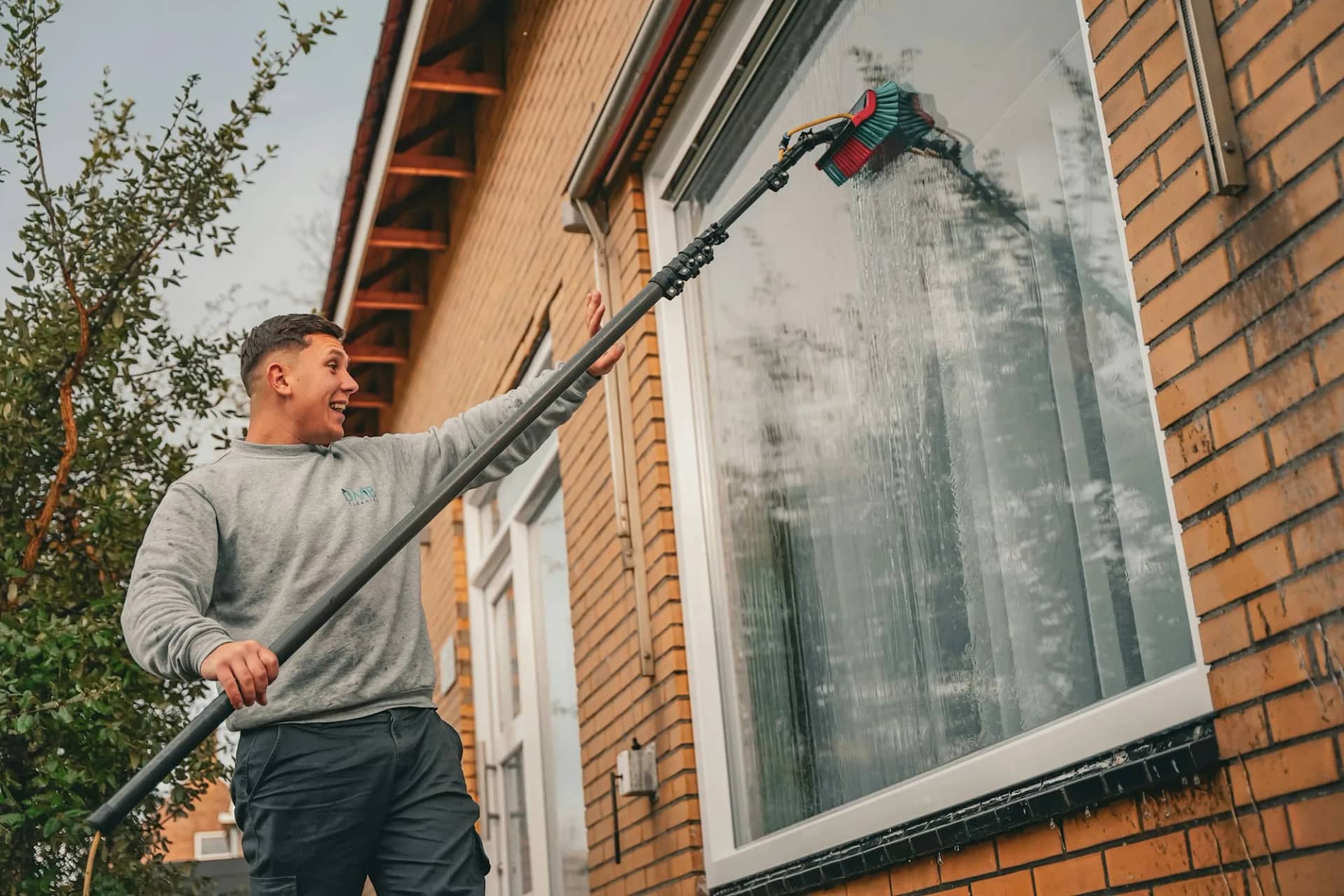
It is drying time, not dirt
Algae needs moisture and shade, and a north elevation in Greater Vancouver has both from October to April. The south wall gets a few hours of sun a day even in winter and dries out between showers; the north wall does not.
That is why the green line usually stops exactly where the shade does, and why it comes back on the same wall every time.
Low pressure, and a detergent that does the work
Painted siding, stucco and cedar all take damage from a pressure washer long before the algae does. A soft wash puts a cleaning solution on the surface, gives it time, and rinses at something closer to garden-hose pressure.
It also kills what is rooted in the surface rather than shaving off what is visible, which is the difference between a wall that stays clean for two years and one that is green again by spring.
How often it actually needs doing
Most north elevations here want a wash every two to three years. Under heavy tree cover, every year.
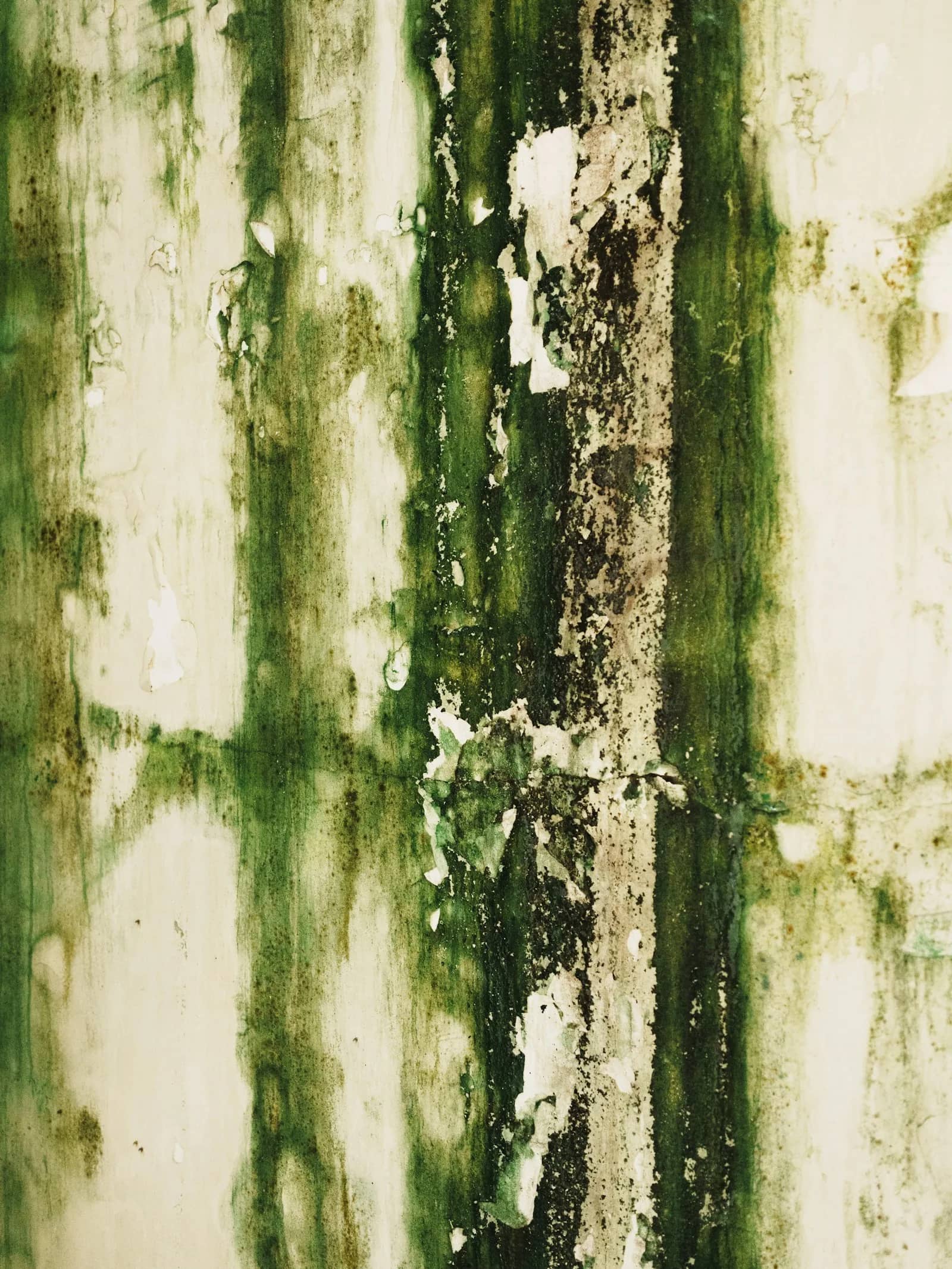
If the same wall is green twelve months after a wash, the problem is drainage or overhanging growth rather than the wash — worth looking at before booking the same job again.
The wash this article describes is soft washing, and a wall that has been left long enough to need refinishing afterwards is painting. Both are quoted on what is in front of us, anywhere in Greater Vancouver.
Questions About Exterior Soft Washing in Greater Vancouver
How often does a north-facing wall need soft washing in BC?
Every two to three years on most Greater Vancouver properties, and annually on anything under heavy tree cover or beside standing water. The interval is set by how quickly algae re-establishes on a shaded wall, which in this climate is faster than on any other elevation. A wall that is green again twelve months after a wash usually has a drainage or overhanging-canopy problem that washing alone will not solve.
What surfaces can be soft washed?
Any surface that should not take pressure: stucco, painted siding, cedar shingles, aged brick, rendered walls, fascia and soffits. Those are the surfaces that sustain real damage from a pressure washer before the algae does — water forced into a failing paint film blisters it from behind, and a pressure lance on cedar raises the grain permanently. Soft washing puts a dilute solution on the surface, lets it dwell, and rinses at garden-hose pressure.
Will soft washing remove the black streaks on my siding?
Yes. Those streaks are typically algae or a related organism, not staining, and soft washing kills them at the root. They do not lift immediately on contact — the colony dies and the surface clears over the following weeks as the next rains carry the residue off. Where a wall has been staining for several seasons, faint shadow lines may remain in the surface material itself, which is a different problem.
Is the solution safe around plants and pets?
Yes, when the job is run properly. Any planting adjacent to the work is saturated with clean water before solution is mixed, because a root zone already full of water absorbs little else. Sensitive specimens are sheeted, and everything is rinsed at the end of the visit. Pets and children should stay inside while solution is being applied and until the rinse is finished — after that, the surface is safe to be around.
Does soft washing prevent algae from coming back?
It slows it significantly. Killing the colony at the root means regrowth starts from new spores on a clean surface rather than from what was left behind — typically two to three times longer than the interval after blasting. Persistent short-cycle regrowth usually points to a drainage or overhanging-canopy problem that washing alone will not solve.