Soft Washing Or Pressure Washing For A Roof
Two different machines doing two different jobs, and choosing wrong costs a roof years. The surface decides it, not the stain. Here is how the call is made.
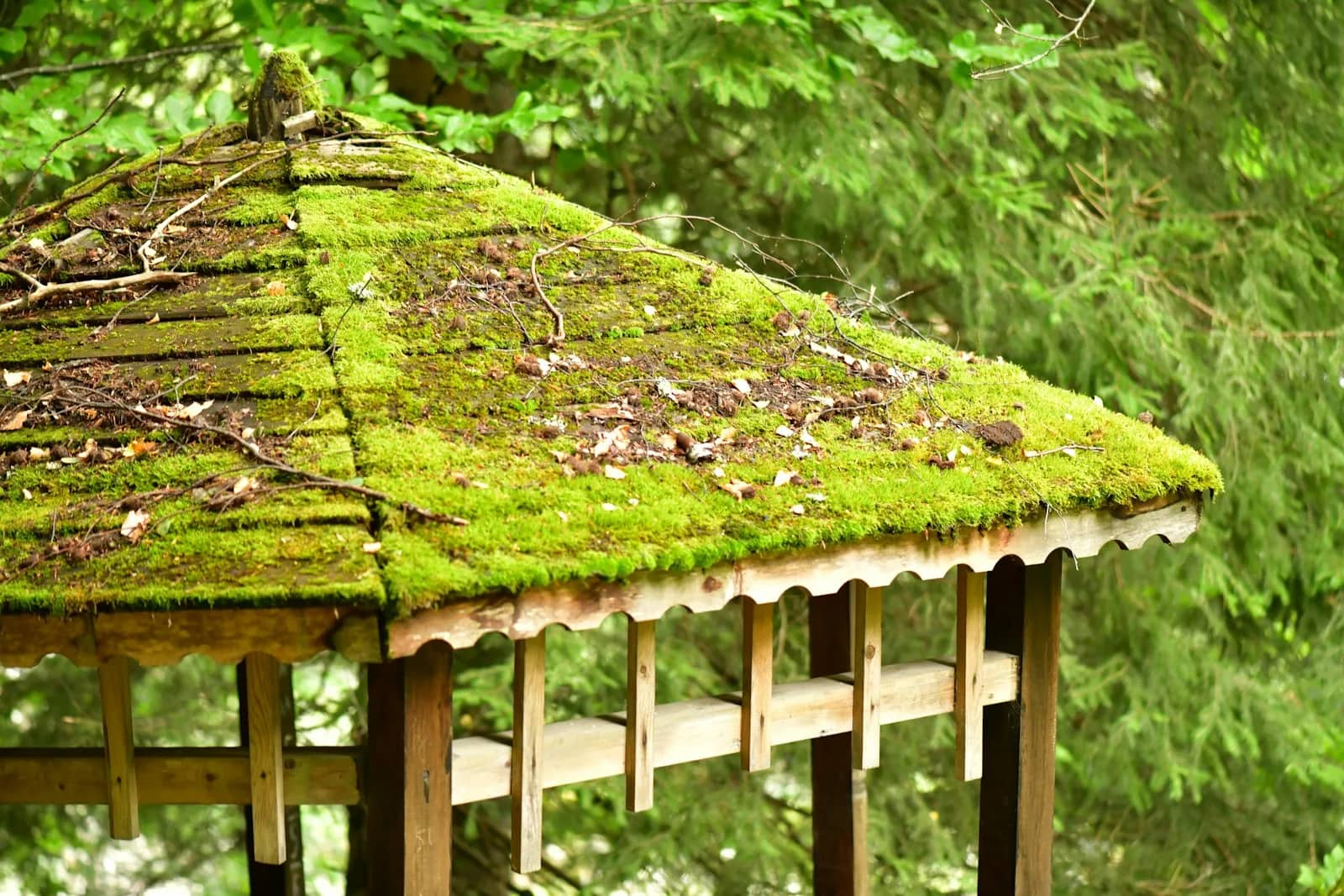
What the two actually are
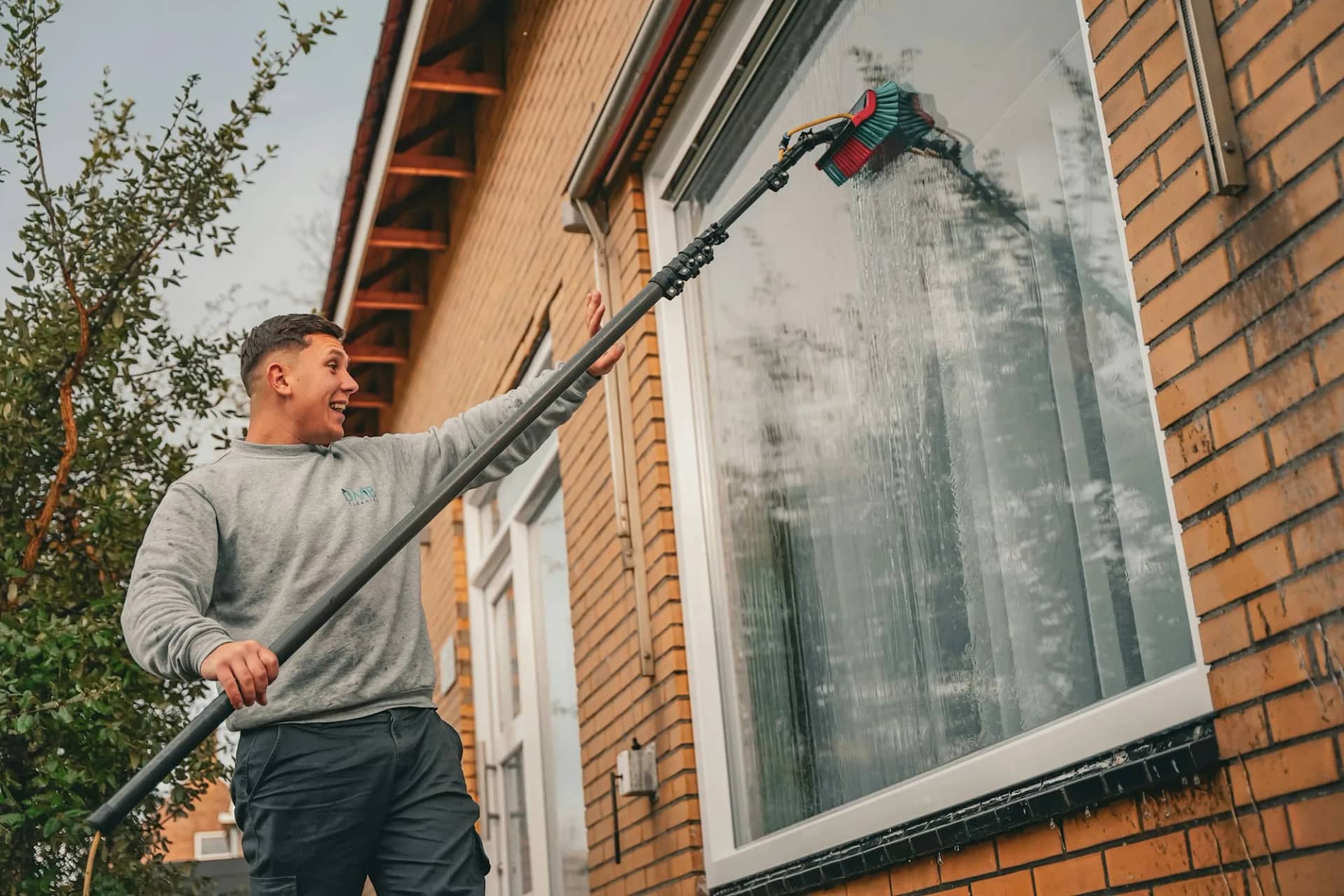
Pressure washing removes what is on a surface with force — water at high pressure through a tip that concentrates it. It is mechanical. The dirt comes off because it is knocked off.
Soft washing removes what is on a surface with chemistry — a detergent solution applied at roughly garden-hose pressure, left to work, then rinsed. It is biological. The growth comes off because it has been killed and has let go.
Everything else about the choice follows from that. One of them strips. The other one treats.
The surface decides, not the stain
The instinct is to pick the method by how bad the mess looks. That is backwards. The mess tells you what needs removing; the surface tells you what may be used to remove it.
- Asphalt shingle — soft wash only. The granule layer is the wearing surface, and pressure takes it off along with the moss.
- Cedar shakes and cedar siding — soft wash. Pressure raises the grain and drives water into it.
- Stucco and painted siding — soft wash. Pressure finds every hairline crack and puts water behind the finish.
- Concrete driveways, walkways and parkade decks — pressure. Nothing on the surface is damaged by it, and the soiling is mechanical rather than biological.
- Brick and concrete block — usually pressure, at a reduced setting, tested on an inconspicuous patch first.
- Composite and painted decking — soft wash or low pressure. The manufacturer's guidance for the board almost always caps the pressure, and it is worth reading before anyone starts.
The roof is the one that is not a judgement call
On asphalt shingle there is no debate to have. The Asphalt Roofing Manufacturers Association — the trade body behind the major North American shingle makers — states that high-pressure washing is likely to damage asphalt roofing and should not be used on it, for removing algae or for any other purpose.
That is not a preference published by a cleaning company. It is the position of the people who make the product, and it is the document a manufacturer reaches for if a warranty claim ever turns on how the roof was cleaned.
Why the treated roof looks worse first
This is worth knowing before booking, because it is what generates the phone call a fortnight later.
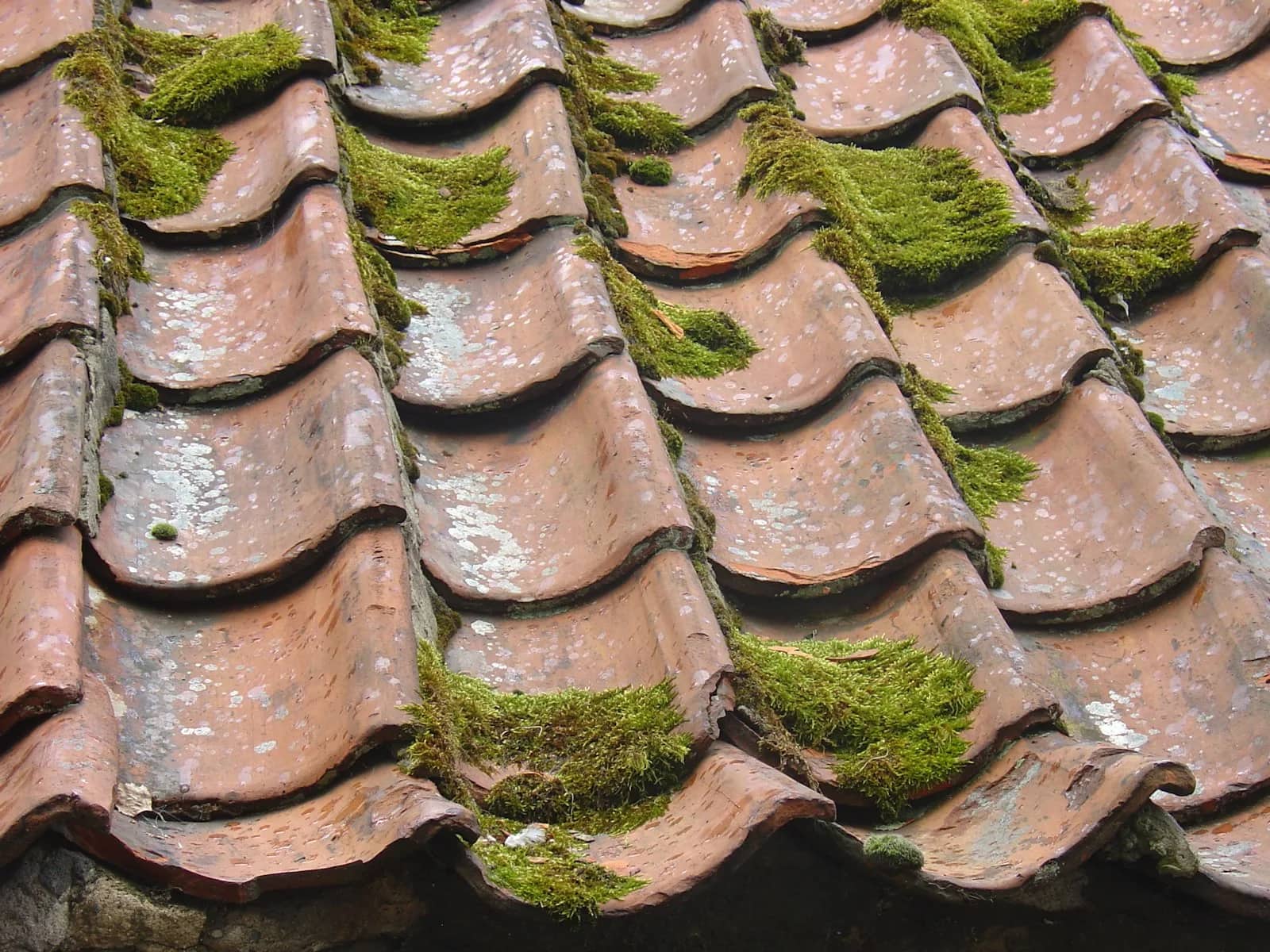
A pressure-washed roof looks finished the same day. A soft-washed roof does not — the growth is dead but still sitting there, and it releases over the following weeks as the weather works on it. The roof looks untidy for a month and then clears.
One method is finished when the crew leaves. The other is finished when the next month of rain has done its half of the work.
Questions About Roof And Siding Cleaning Methods
Which one does my roof need?
If it is asphalt shingle, cedar, or tile with any age on it, soft washing. Pressure belongs on hard, non-porous ground surfaces and on very little else around a house. The surface is the deciding factor, not how heavy the growth looks.
Is soft washing just spraying bleach on my roof?
The active ingredient in most roof treatments is a dilute sodium hypochlorite solution, which is what the manufacturers' own guidance describes. The work is in the dilution, the dwell time and the rinse — and in protecting what sits underneath, because planting, gutters and downspouts all need handling before anything is applied.
Will pressure washing void my roof warranty?
It can, and manufacturers are explicit about it. If a roof is inside its warranty period, the maintenance section of that warranty is worth reading before choosing a method — and worth asking any contractor to confirm in writing which method they intend to use.
Can pressure washing be used anywhere on a house?
On hard ground surfaces, yes — driveways, walkways, parkade decks, some brick. The rule of thumb is that if a surface has a coating, a grain or a granule layer that is doing a job, pressure will remove that too.
How long does each one last?
A treated surface stays clear substantially longer than a stripped one, because treatment kills the root structure while stripping leaves it behind to regrow from. Shaded and north-facing elevations come back first either way — that is orientation, not method.
Where to read the rest
The low-pressure method is set out on the soft washing page, the machine work on the power washing page, and how the two apply to a roof on the roof cleaning page.