Sealing A Driveway Between Two Rainstorms
Sealer needs a dry surface and a dry forecast, which is a narrow ask in Greater Vancouver. The window is real, though, and wider than most people assume.
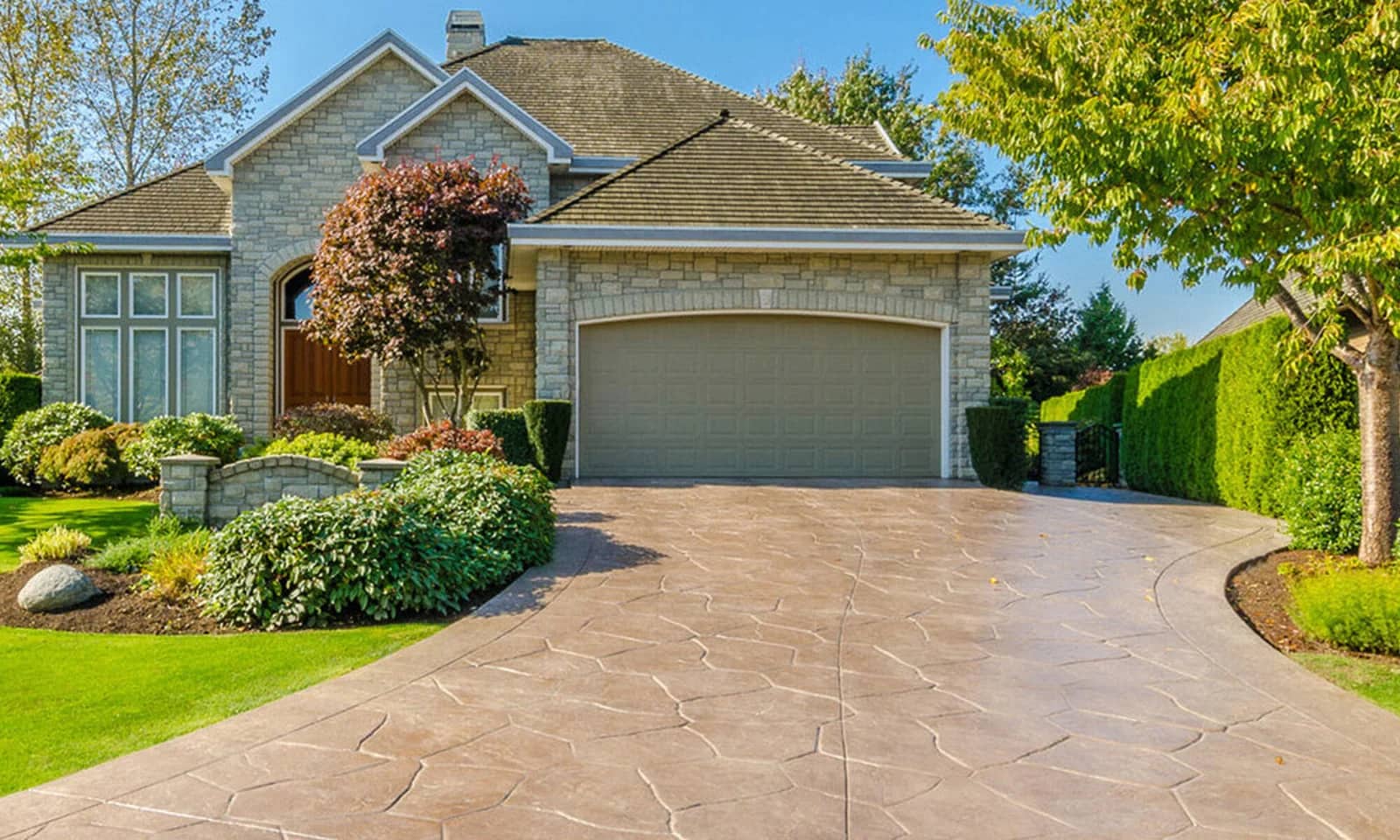
What the product actually needs
A clean, dry surface, air above about ten degrees, and enough hours after application to cure before the next rain. The surface matters more than the sky — concrete that looks dry can still be holding water from two days ago.
Finding the window
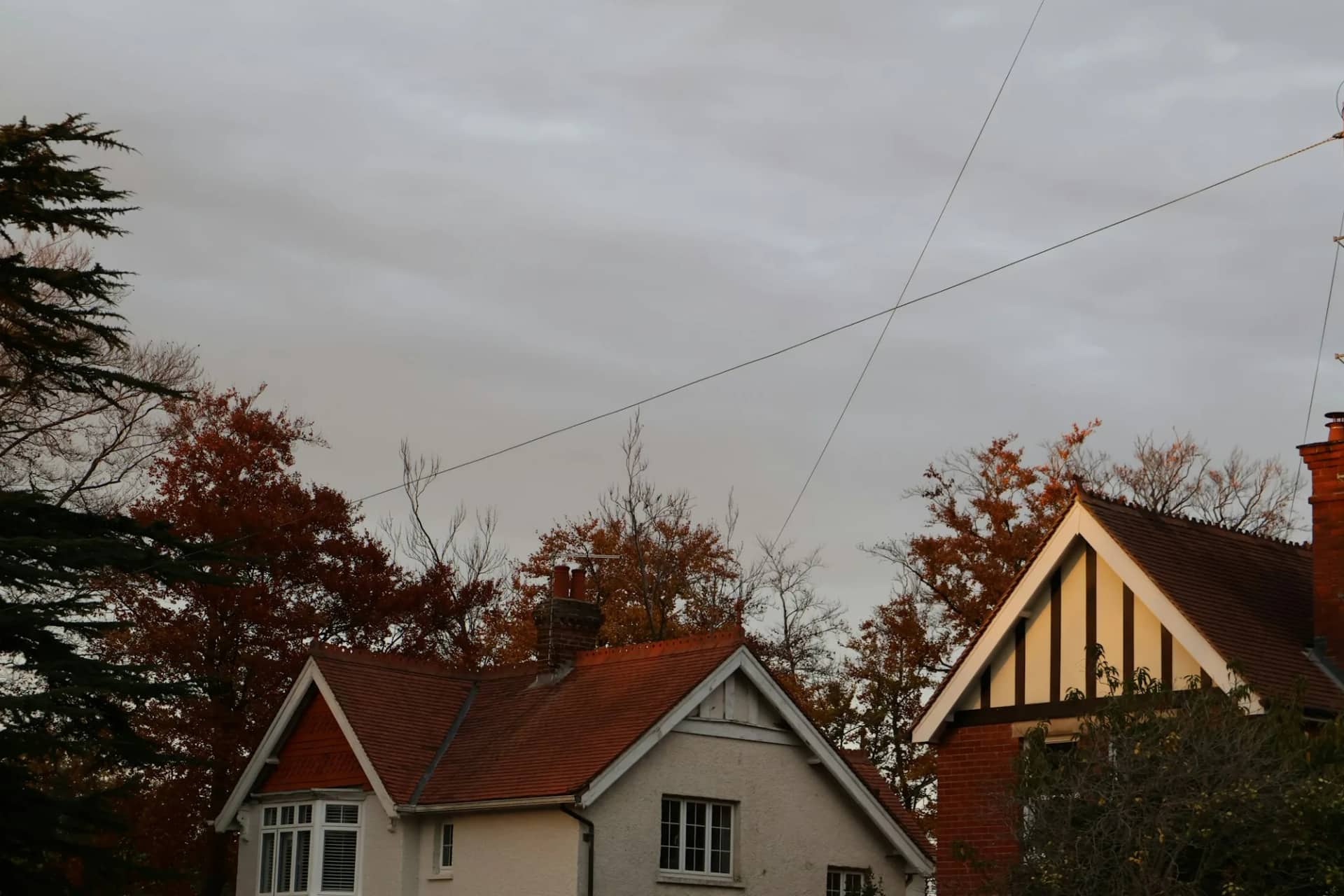
Between May and September there are more workable stretches here than the region's reputation suggests. The job is scheduled against the forecast rather than the calendar, and it moves when the forecast does.
A booking that cannot move is a booking that gets sealed in the wrong conditions, which is worse than not sealing at all.
Why it is worth the scheduling trouble
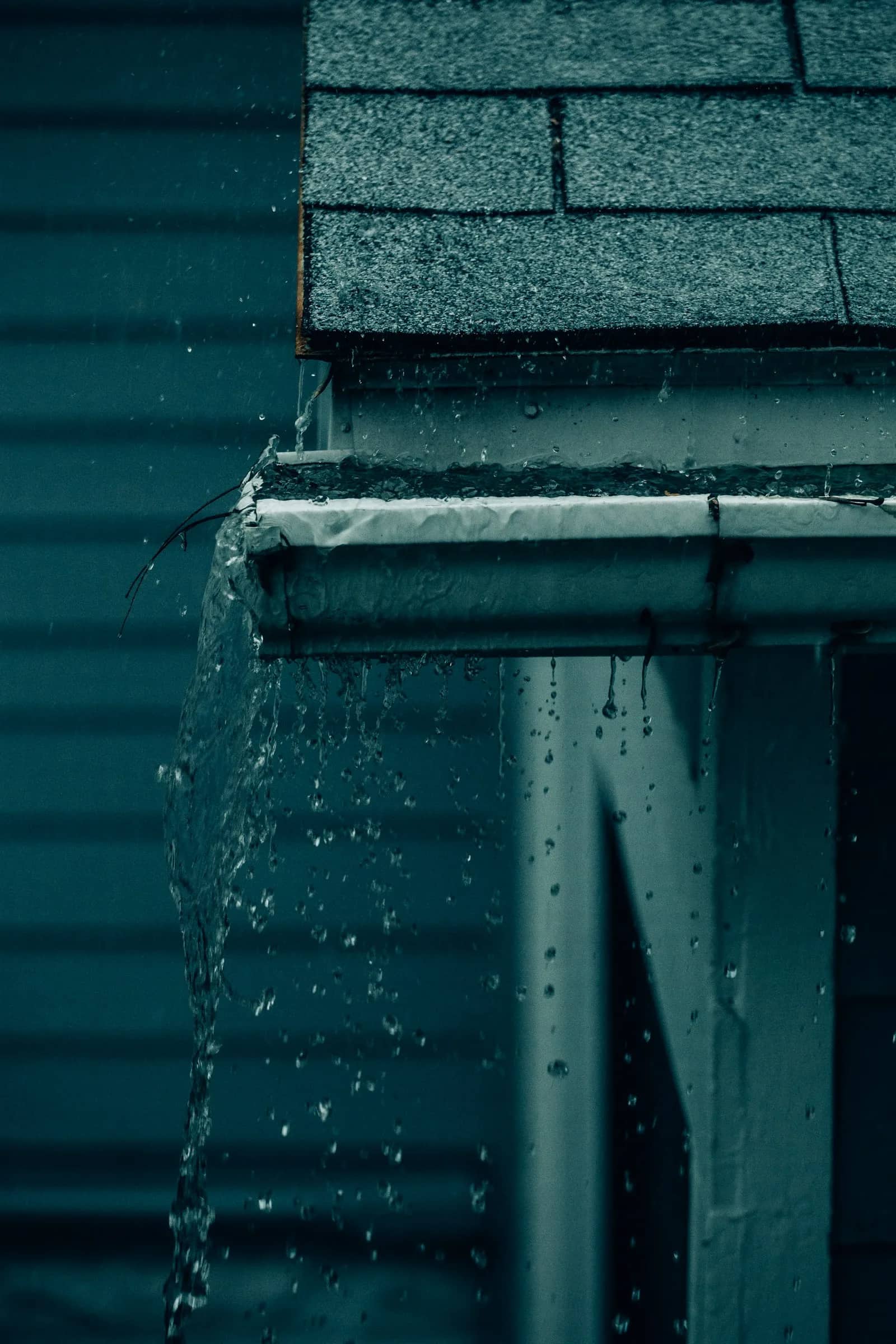
Water, road salt and freeze-thaw are what break a driveway or a lot, and all three work through the surface rather than on it.
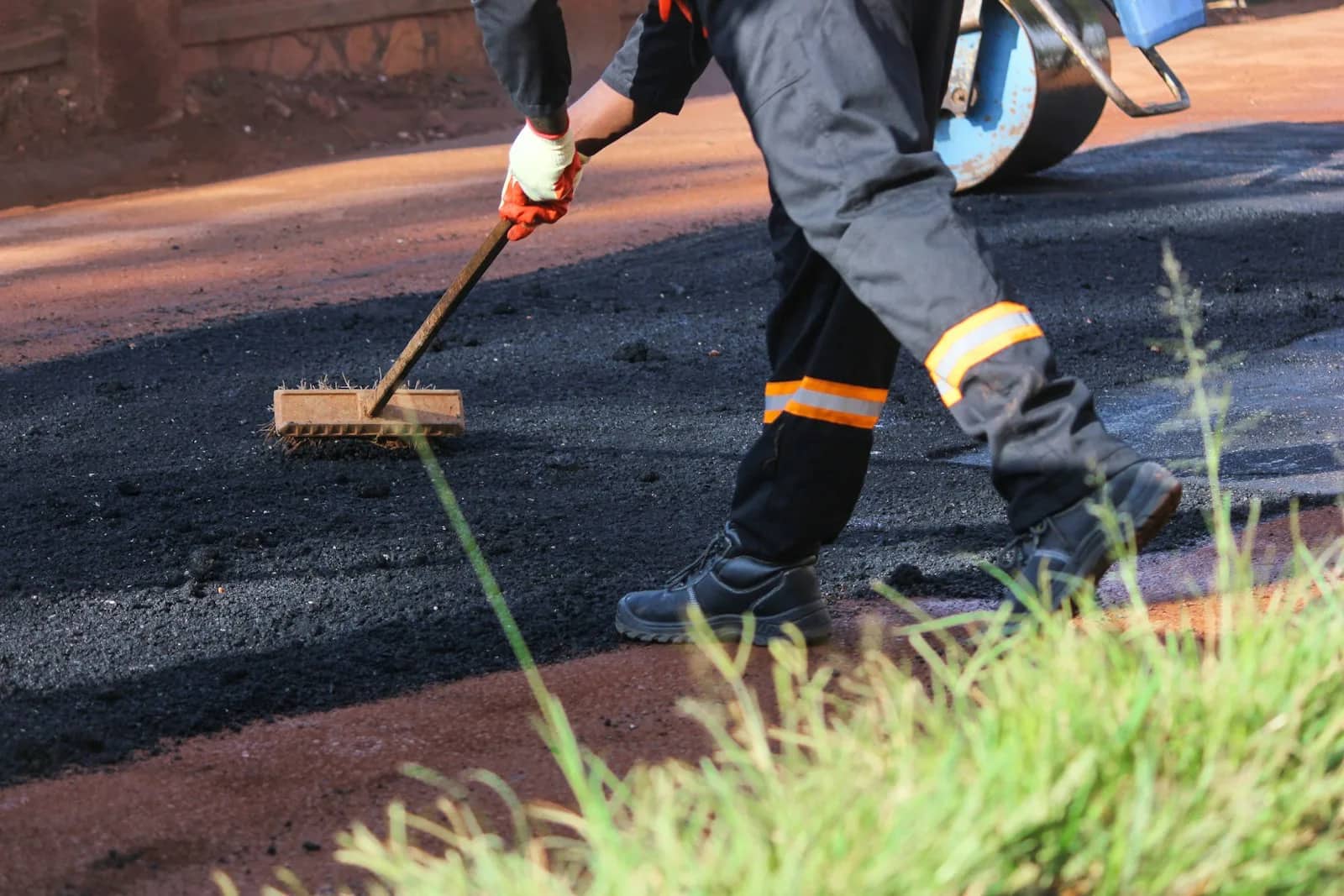
Sealed on a sensible cycle, the same slab lasts years longer, and the cracks that do appear stay small enough to fill.
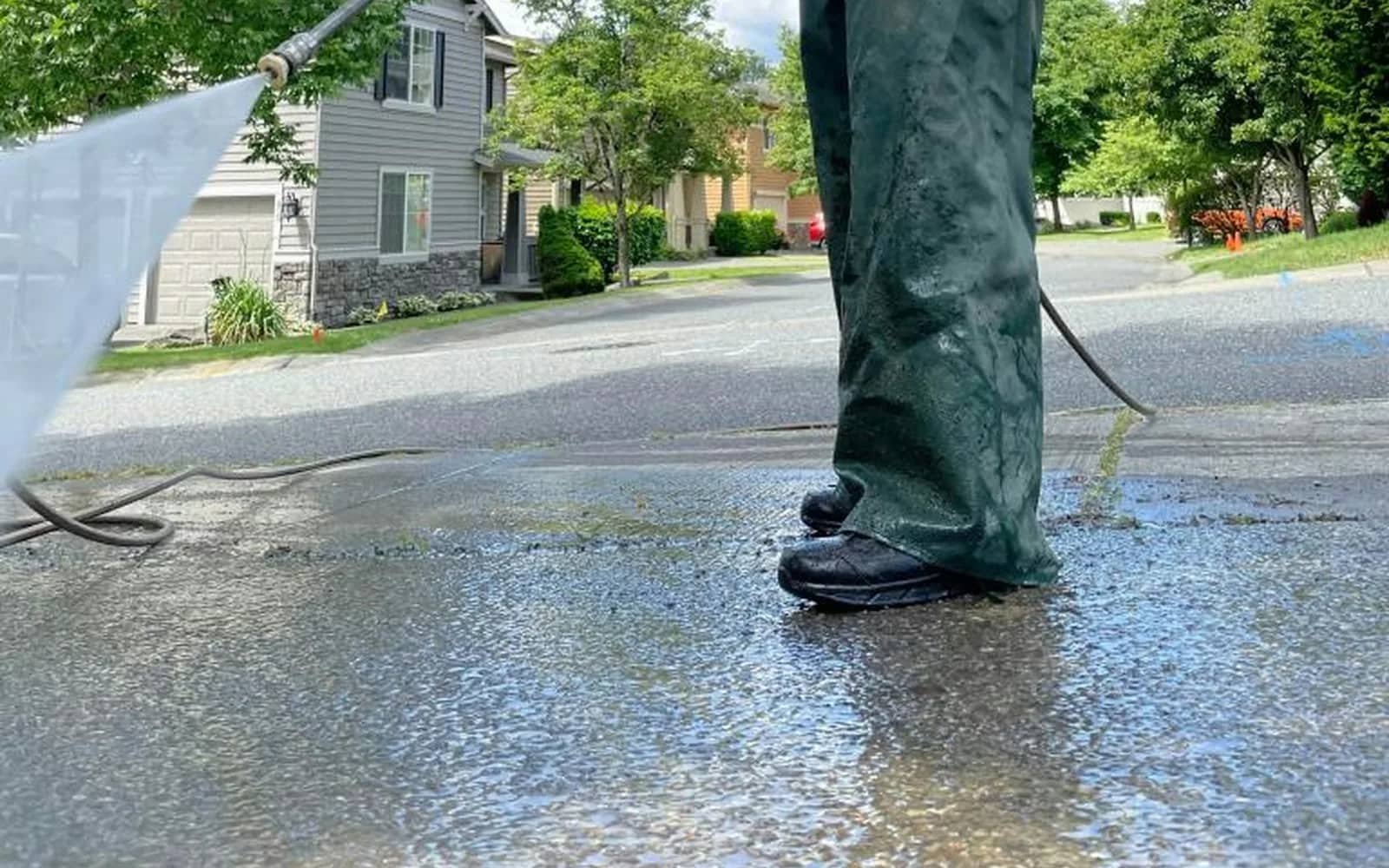
The full scope — routing, filling, degreasing, metering and the coat itself — is on the concrete and asphalt sealing page, and the prep wash that has to come first is pressure washing. Both travel across Greater Vancouver.
Questions About Driveway Sealing in Greater Vancouver
When is the best time to seal a driveway in Greater Vancouver?
Late spring through early autumn — roughly May through September — when surfaces are warm, dry and finished curing from the winter. The product needs about ten degrees at the slab and enough hours after application to cure before the next rain. Between May and September there are more usable windows here than the coast's reputation suggests. A job scheduled against the forecast rather than the calendar is how we ensure conditions are right on the day.
How do I know when my driveway needs resealing?
Pour a small amount of water on the surface. If it beads and sits on top, the seal is working. If it soaks in and darkens the concrete, the surface is open to water — worth sealing before frost cycles work the moisture further in. Asphalt that has turned grey-brown and crumbly at the edges, or concrete with a spreading crack network, is approaching the point where sealing buys less time than repair.
How long does driveway sealing last in BC?
Asphalt sealcoat typically holds two to three years under normal residential traffic; penetrating concrete sealers commonly run three to five. Both depend more on the quality of the preparation than on the product itself. A sealed slab on a flat, open property will outlast the same product on a sloped driveway catching road salt off a busy street.
Does sealing prevent cracks from forming?
It slows them. A sealed surface sheds water rather than absorbing it, which limits the freeze-thaw expansion that levers concrete apart from the inside. What sealing cannot do is repair structural failure — a slab where the base underneath has settled needs attention that sealing will not provide. Working cracks are routed to a clean reservoir and filled before any coat goes down, because sealer painted over a crack reopens through the film by spring.
What is the difference between a penetrating sealer and a topical one?
A penetrating silane or siloxate soaks into the pores and waterproofs from inside, leaving the surface appearance unchanged — the right choice wherever slip resistance matters, on exposed aggregate and around water. A topical acrylic sits on top, adds sheen and enriches colour, and needs redoing sooner because it wears rather than being bonded into the slab. The quote names which one and why for each surface.