Who Clears The Sidewalk, And By When
In Vancouver the public sidewalk outside your building is your responsibility and the deadline is 10am. Most owners have that rule the wrong way round.
The rule most people have backwards
The common assumption is that the city clears the public sidewalk and the owner clears their own driveway. In Vancouver it is closer to the opposite.
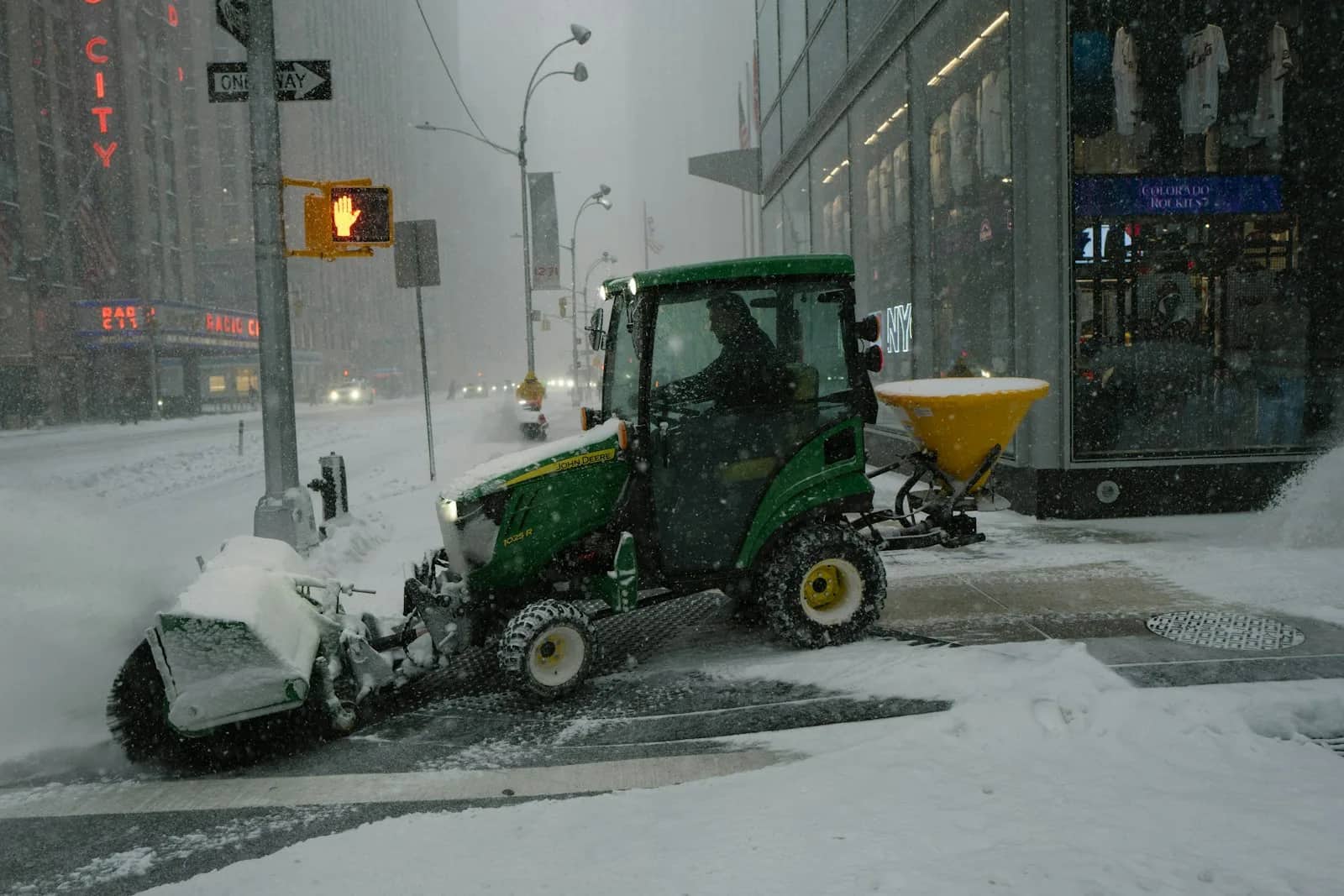
The City of Vancouver's winter maintenance rules make the property owner and the occupant responsible for clearing snow and ice from the full width of the sidewalk in front of their property — and alongside it as well, on a corner lot — by 10am each day.
Meanwhile there is no bylaw requirement to clear snow from your own private property at all. The part you are legally obliged to clear is the part you do not own.
What full width means
It means what it says: property line to curb, not a shovel-width path down the middle. A cleared track through the snow is the most common good-faith attempt and it is not compliance.
It also means the sidewalk is cleared every day there is snow on it, rather than once after the storm. Snow that melts in the afternoon and refreezes overnight is the condition that puts people in hospital, and it is the condition a daily deadline exists for.
The number that gets attention
Vancouver attaches a fine to missing the deadline, and a substantially larger one where snow and ice is left beyond twenty-four hours. The city publishes the current figures and they have moved upward over the years, so they are worth checking against the winter you are reading this in rather than trusting a number in an article.
The larger exposure is not the fine. A fall on an uncleared sidewalk in front of a commercial building or a strata is a liability question, and the answer to it starts with whether the owner met the standard the bylaw sets.
The fine is the cheap outcome. The expensive one arrives months later on a lawyer's letterhead.
This is a municipal rule, not a regional one
Every municipality in Greater Vancouver writes its own version and the deadlines are not the same. Vancouver's is 10am. Others sit later in the morning, and some define the obligation differently for commercial and residential frontages.
If a property sits on a boundary — and a surprising number of strata sites do — the rule that applies is the one for the municipality the frontage is in, not the one the strata office is in. Worth confirming once, in writing, rather than every December.
What this means for a strata or a commercial site
Three things, in practice:
- Establish which municipality's rule applies and what its deadline actually is. A five-minute job done once, and it decides everything below it.
- Decide before the season who is clearing and at what trigger. An arrangement agreed in November is an arrangement. One agreed at six in the morning during a snowfall is not.
- Keep a record of what was done and when. If a fall claim ever arrives, the log is the difference between demonstrating a standard and asserting one.
The third is the one most often skipped, and the only one that matters after the fact.
Questions About Snow Clearing Obligations in BC
Am I really responsible for the public sidewalk?
In Vancouver, yes — the bylaw places it on the property owner and the occupant, for the full width, by 10am daily. Most Greater Vancouver municipalities have an equivalent rule with a different deadline. Read the city's own page rather than a summary of it, including this one.
Does this apply to renters as well as owners?
In Vancouver the obligation names both the owner and the occupier, so a tenant in a commercial unit or a house can carry it. Where a lease is silent on it, both parties are exposed — which is an argument for making it explicit in the lease rather than discovering it in February.
What if I clear a path down the middle?
That is not compliance. The requirement is the full width, property line to curb. A cleared track is the most common form of good-faith non-compliance and it is still non-compliance.
Who is liable if someone falls?
That is decided on the facts, and whether the bylaw standard was met forms a substantial part of it. This article is general information rather than legal advice — for a specific site, and particularly a commercial one, that conversation belongs with your insurer and your lawyer before the season rather than after an incident.
Does salting count as clearing?
Salting is part of the job and not the whole of it. Snow has to be removed; salt manages what is left behind and what refreezes. Salt spread onto an uncleared sidewalk melts a layer and produces exactly the refreeze the daily deadline exists to prevent.
Where to read the rest
How clearing and salting is scoped, triggered and logged is on the snow removal and salting page. Commercial entrances and strata common areas sit under commercial cleaning.