Three Days Of Snow, And They All Matter
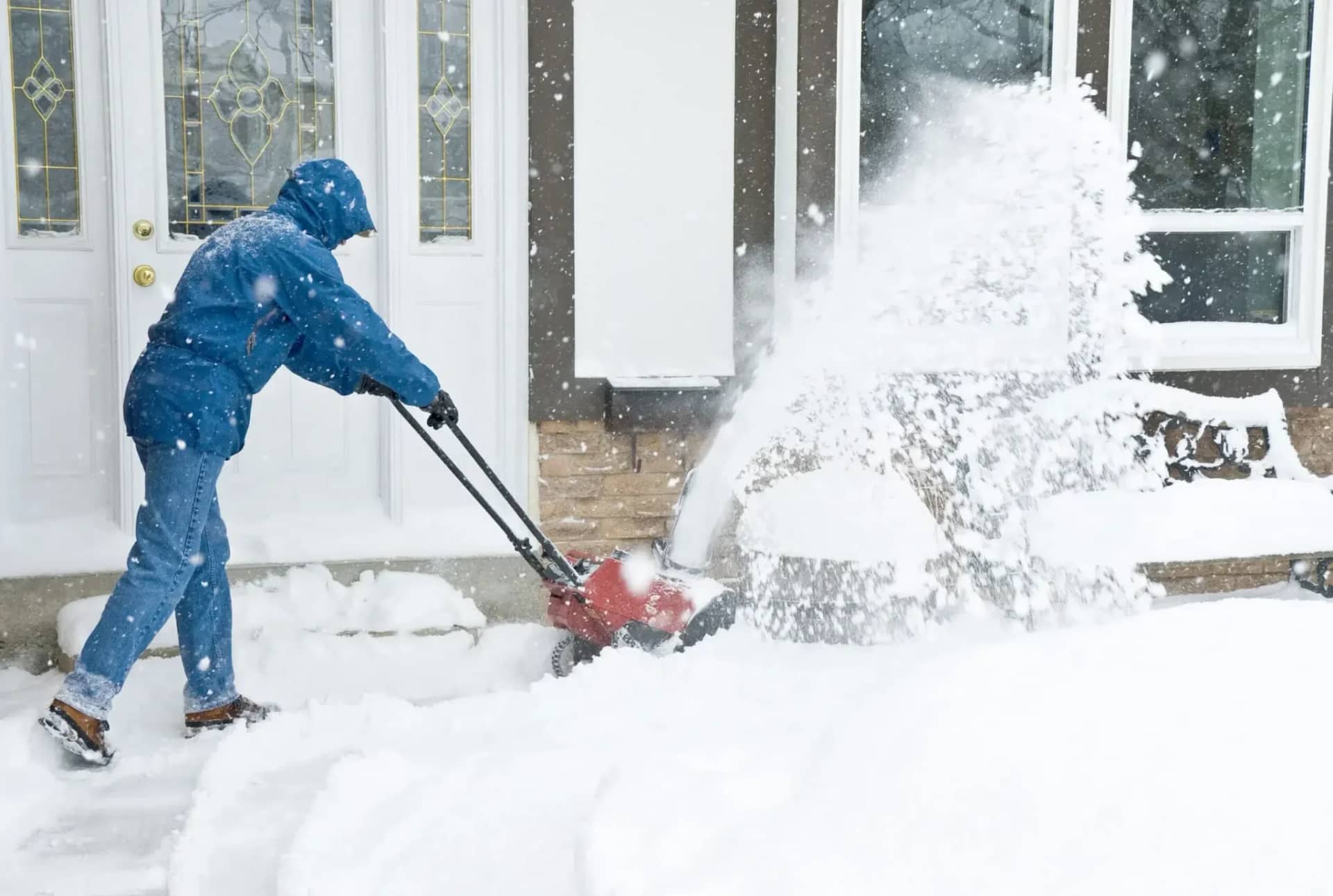
Greater Vancouver gets a handful of days a year that genuinely need clearing. Nobody knows which ones in advance, which is why the plan beats the shovel.
The problem with a rare event
A city that gets snow every week owns equipment for it. A city that gets snow three times a year phones somebody at six in the morning, along with everyone else.
By the time a property is calling, the crews are already committed to the properties that booked in October.
What a seasonal contract actually buys
A place in the route, and a trigger depth that says when the truck comes without anyone having to phone. On a commercial site it also buys a service log, which is what an insurer asks for after a fall.
A seasonal agreement is written for the season rather than the visit, because the alternative is a business that only makes money in a bad winter.
Salt, and when it stops working
Rock salt does very little far below freezing, and this region spends most of its cold snaps within a few degrees of it — which is why salting works here, and why timing it ahead of the freeze matters more than the quantity.
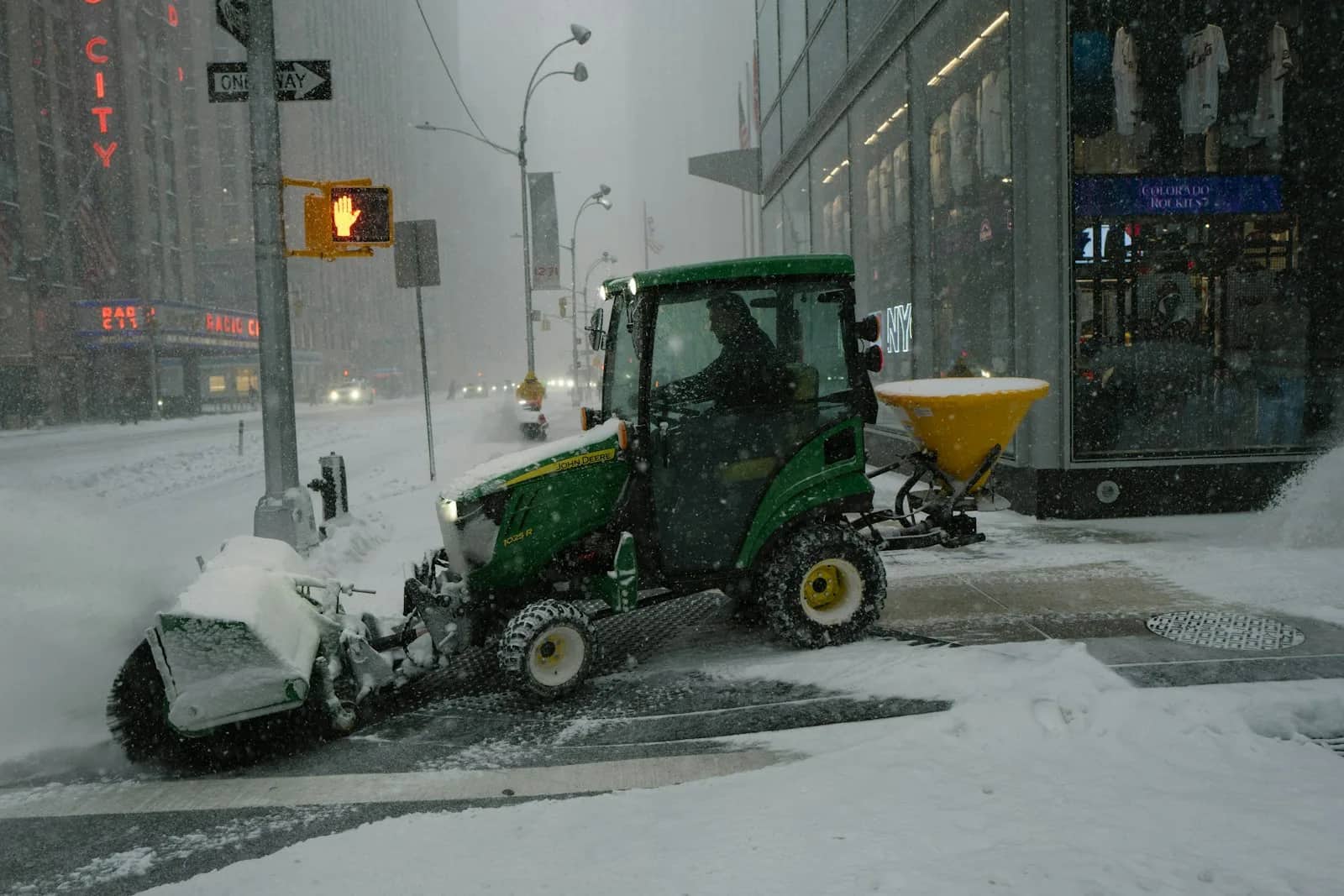
Applied after the ice has bonded, it is mostly grit. Applied before, it stops the bond forming at all.
Trigger depths, route position and the service log are set out on the snow removal and salting page, and the year-round side of a commercial site is common-area cleaning. Both are quoted for the property, in any of the communities we cover.
Questions About Snow Removal and Winter Property Care
Why book a snow removal contract instead of calling when it snows?
By the time a property in Greater Vancouver calls, the crews with capacity are already committed to sites that booked in October. This region gets snow on perhaps three to six days a year — often overnight, often heavily — and every uncovered property phones at the same time. A seasonal contract reserves capacity for your site before the season starts and means the truck comes automatically at the agreed trigger depth, without anyone having to call.
What trigger depth should I set for snow clearing?
The trigger depth is set for the site rather than taken from a rule of thumb: low enough that the surface is covered, high enough that the snow has not yet compacted into the ice that makes mechanical clearing difficult. Sites with steep ramps, high pedestrian traffic or accessibility requirements often go lower. Residential driveways can usually go higher. The trigger is written into the contract and is not a judgement call on the morning of the event.
Is rock salt safe on concrete and parkade membranes?
Not on new concrete or waterproofed parkade decks. Sodium chloride on concrete under a year old causes surface scaling, and salt-laden meltwater running through a parkade membrane attacks the reinforcement below it. Those areas need magnesium chloride or a CMA blend. Tell us at the site walk if any area is newly poured, membraned or draining into landscaping, and the product is chosen for the surface.
How early will clearing happen on a commercial site?
The aim for commercial and strata sites is completion before the first arrivals, and the start time that follows from it is written into the agreement rather than left to the morning. Heavy overnight events get a first pass before dawn and a second if the snow continues. A site cleared at five and snowed on until nine has not been cleared, which is why the number of passes an event needs is settled with the site in advance rather than argued about afterwards.
What is the difference between a seasonal contract and a per-event rate?
A seasonal agreement covers the winter regardless of how many events occur and holds a place in the route. A per-event arrangement is called on when it snows. Which one suits a property depends on what an uncleared morning actually costs it and how much certainty is worth paying for, and that is a conversation worth having before November rather than during it.